Introduction to Beignets
The Irresistible Charm of Beignets
If you’ve ever wandered the vibrant streets of New Orleans, the sweet, sugary aroma of beignets wafting from nearby cafés is perhaps the first thing that caught your attention. These delightful treats have a way of capturing not just your sense of smell but also your heart. But what makes a beignet so special?
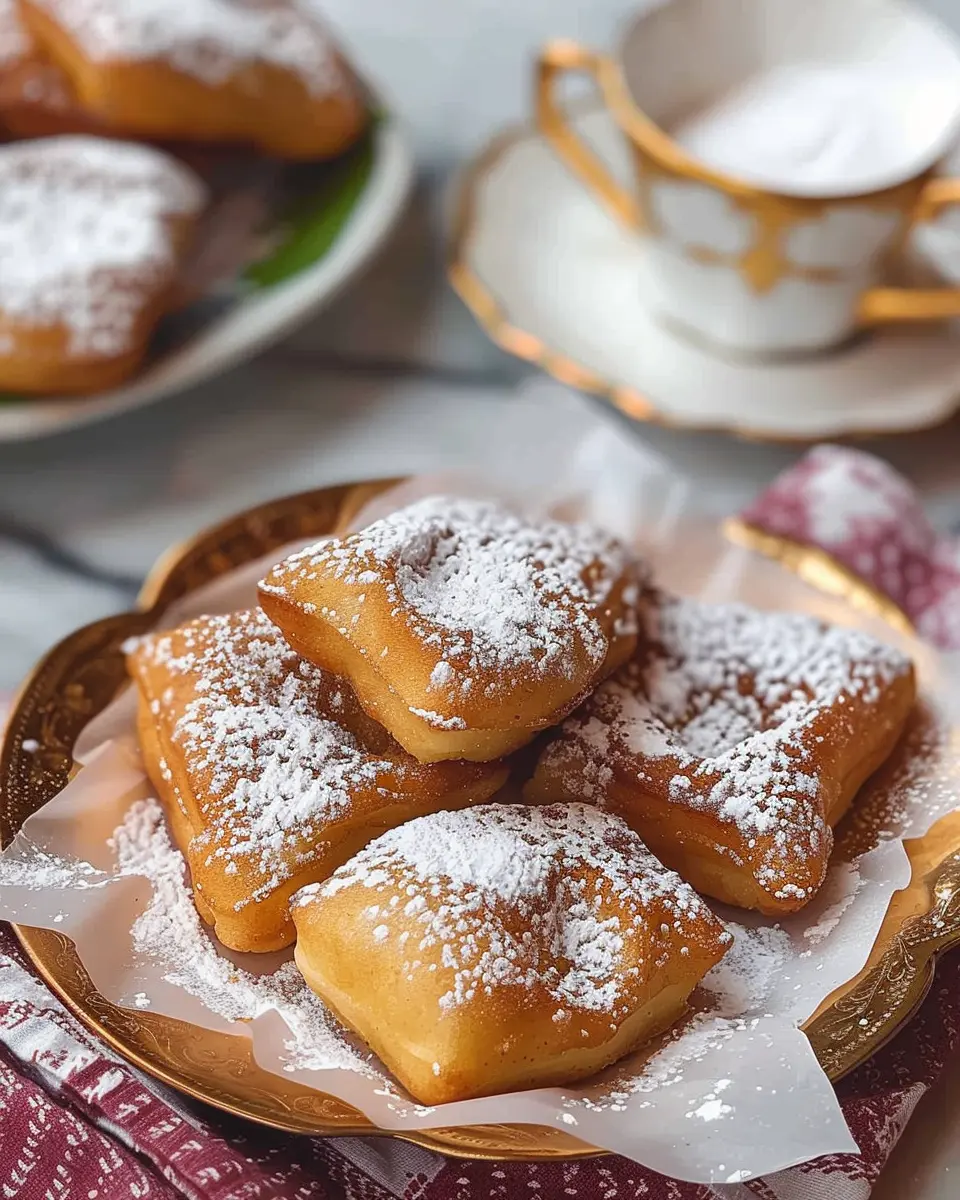
Traditionally, beignets are square-shaped pastries, deep-fried to golden perfection, and generously dusted with powdered sugar. The first bite reveals a soft, airy interior that practically melts in your mouth. It’s hard to resist going back for a second — or maybe even a third!
One of the best things about beignets is their versatility. You’ll often see them enjoyed with a hot cup of chicory coffee or alongside a leisurely Sunday brunch. Did you know that in the Café du Monde in New Orleans, approximately 30,000 of these treats are sold daily? That’s more than just a snack; it’s a cultural phenomenon!
Not only do they taste incredible, but making them can also be a delightful experience. Whether you’re trying your hand at a classic beignets recipe or experimenting with creative toppings and fills, the joy comes not just from the final product, but also the kitchen camaraderie that happens along the way. Imagine gathering your friends or family to whip up a batch — it’s more than cooking; it’s about creating memories.
For those curious about where to deep-fry, check out this comprehensive guide on deep frying techniques for tips on achieving that perfect golden crust. And if you’re wondering what to pair with these sweet delights, excellent options include refreshing herbal teas or homemade fruit juices for a delightful escape.
So, gear up and roll up your sleeves! The adventure of making your own beignets awaits, and it’s just as rewarding as visiting the picturesque streets of New Orleans. Wouldn’t it be great to savor homemade beignets while reminiscing about travel dreams or future escapades?
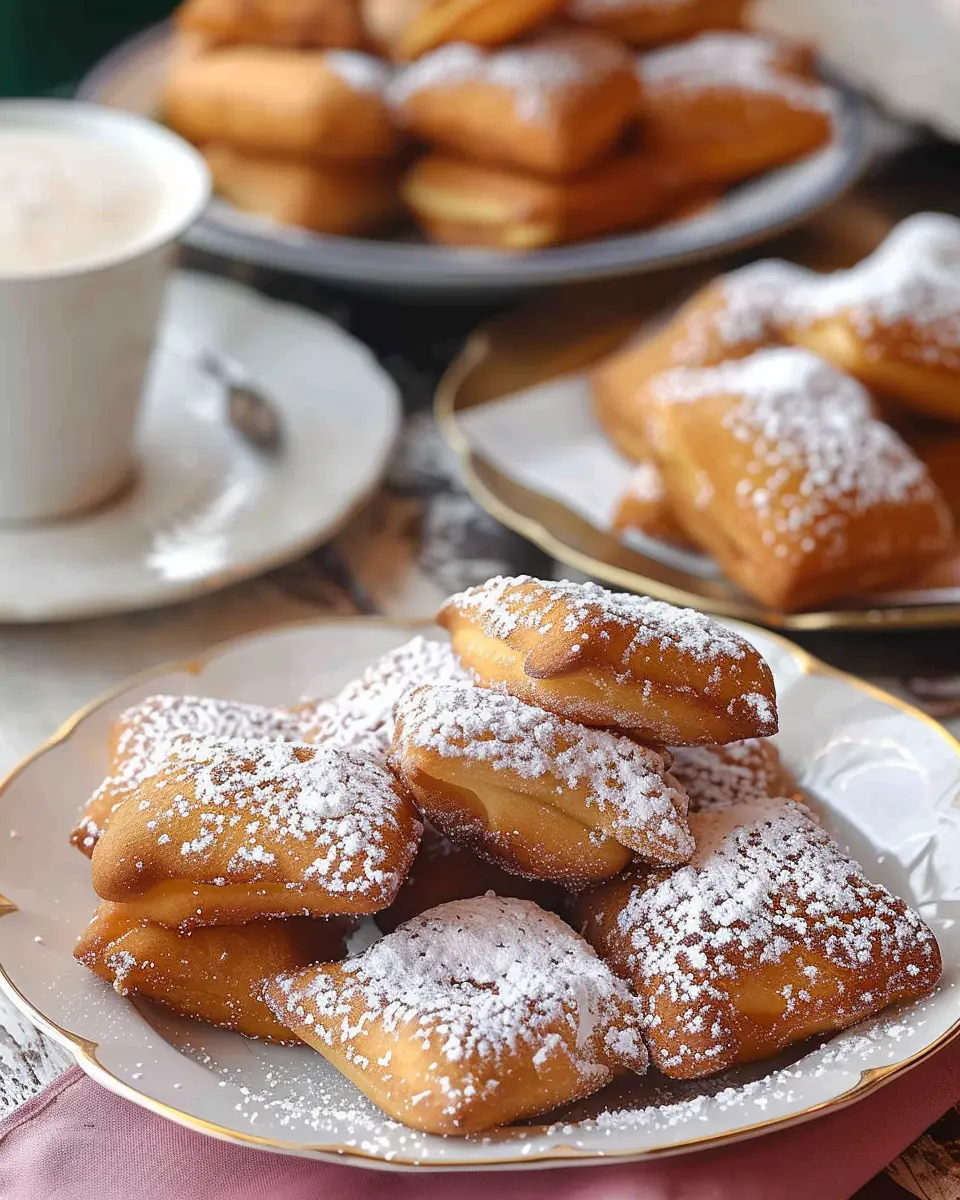
Ingredients for Beignets
Essential ingredients for the perfect beignet
Creating the perfect beignets recipe starts with nailing the right ingredients. Here are the essentials you’ll need for those pillowy, yet slightly crispy delights:
- All-purpose flour: Provides the structure needed for fluffy beignets.
- Granulated sugar: Adds a touch of sweetness to balance the dough’s flavors.
- Yeast: Active dry yeast or instant yeast helps the dough rise, giving it that dreamy texture.
- Milk: Warm milk activates the yeast and keeps the dough moist.
- Eggs: They add richness and help bind the mixture together.
- Butter: For a touch of indulgence, use unsalted butter for flavor.
- Salt: Essential for balancing sweetness.
- Powdered sugar: A must-have for dusting, adding that quintessential touch of sweetness.
Note on ingredient quality
When it comes to beignets, quality truly counts. Opt for fresh yeast and high-quality ingredients to ensure delicious results. For instance, using organic flour or organic milk can elevate the flavor of your beignets tremendously. It’s worth the extra effort, especially if you’re aiming for a delightful brunch treat that will impress your friends! If you’re curious about the science behind cooking with wholesome ingredients, check out this article for more insight on ingredient quality and its impact on flavor.
Preparing Beignets
Making beignets is one of those delightful culinary adventures that not only fill your kitchen with the sweet aroma of fried dough but also warm your heart. If you’ve ever enjoyed a fresh beignet at a café in New Orleans or a local bakery, you know that nothing compares to this airy treat, especially when it’s dusted with powdered sugar. Let’s dive into the essentials of preparing a classic beignets recipe.
Activate the yeast
First things first: we need to wake up our yeast. This is a crucial step when making any bread or dough. You’ll want to dissolve about 2 and 1/4 teaspoons of active dry yeast in a combination of warm water (about 110°F) and a touch of sugar. Let it sit for about 5-10 minutes until it becomes frothy. This bubbling reaction means your yeast is active and ready to give your beignets the lift they need to be fluffy and light. If you want to learn more about yeast types and their activation, check out Serious Eats.
Mix wet ingredients
While your yeast is coming to life, you can gather the other wet ingredients. In a bowl, blend together 1 cup of milk and a couple of eggs. I often use whole milk for richness, but you can opt for alternatives like almond or oat milk if you prefer. Once the yeast is ready, combine this mixture with your activated yeast. The fusion of these ingredients creates the backbone of the dough, leading to that pillowy texture we all crave in a beignet.
Combine the dry ingredients
In another bowl, whisk together 4 cups of all-purpose flour, 1/4 cup of sugar, and a pinch of salt. These dry ingredients are essential for structure and flavor. Make sure to sift the flour to avoid clumps and allow for a more even distribution throughout the dough. This will ensure each bite is as delightful as the last. By combining the wet and dry elements, you’ll create a cohesive dough that’s begging to be kneaded.
Knead the dough
Now the fun begins! Flour your countertop (or any clean surface) and turn your dough out. Knead the dough for about 5-10 minutes until it becomes smooth and elastic. This step is vital because kneading develops the gluten, which gives your beignets that wonderful chewy texture. If you’ve never kneaded dough before, think of it as a mini workout—just remember to treat your dough gently, folding and pressing it instead of smashing it!
Allow the dough to rise
Once you’ve worked your dough, form it into a ball and place it in a greased bowl. Cover it with a damp cloth or plastic wrap and let it rise in a warm area for about 1-2 hours, or until it has doubled in size. This rising time is an opportunity to prepare your frying station. Heat your oil to around 350°F in a deep pot—enough to ensure the beignets float while cooking.
Cut and prepare for frying
After your dough has risen, punch it down to release the air and roll it out to about 1/4 inch thick. Use a sharp knife or a pizza cutter to slice the dough into squares, about 2-3 inches on each side. You can also get creative here—tiny circle beignets can be fun for bite-sized treats! Carefully drop the squares into the hot oil, ensuring not to crowd the pot, and fry until golden brown on both sides. This should take about 2-3 minutes per side.
Remember, beignets are best enjoyed fresh and warm, preferably with a generous dusting of powdered sugar. So gather your friends, brew some coffee or herbal tea, and enjoy these delightful treats together. Happy frying!
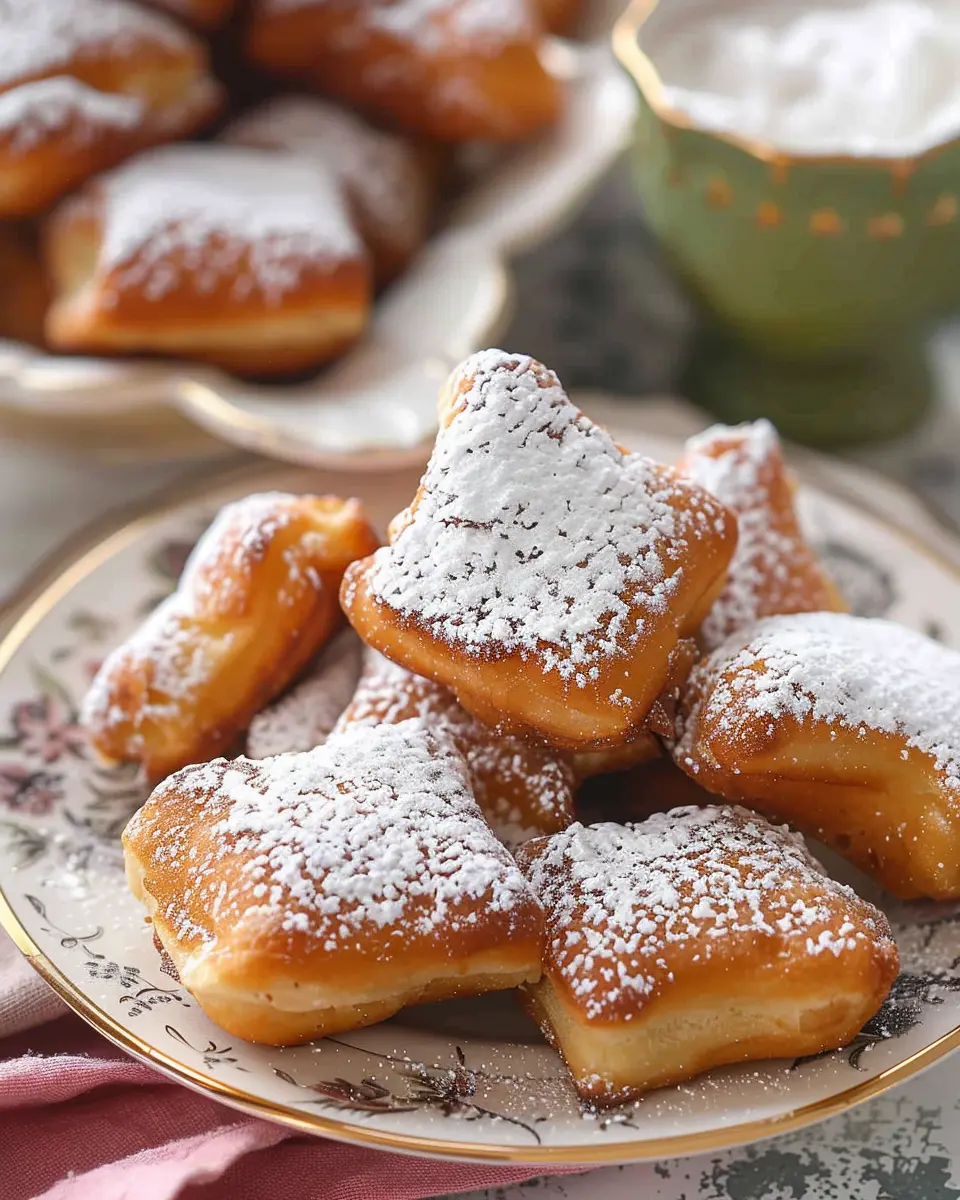
Variations on Beignets
When it comes to a beignets recipe, the sky’s the limit! While the classic powdered sugar version is a must-try, there are several delightful variations that cater to every palate.
Classic Powdered Sugar Beignets
Let’s start with the original. These fluffy, square pastries are typically dusted with a generous layer of powdered sugar, creating that iconic sweet crunch on the outside. Whether you’re enjoying them as a breakfast treat or a dessert, there’s something undeniably comforting about sinking your teeth into these little pillows of heaven. For a unique twist, consider adding a hint of cinnamon to the sugar or infusing your dough with vanilla or almond extract.
Chocolate-Filled Beignets
Imagine biting into a warm beignet only to find a gooey interior of melted chocolate. Yes, please! To create chocolate-filled beignets, simply prepare your dough as you normally would, then add a small dollop of your favorite chocolate (dark, milk, or even white chocolate) in the center before sealing and frying. The rich chocolate pairs splendidly with the light dough, creating a decadent dessert that will leave everyone asking for seconds.
Savory Beignet Options
For those who prefer savory delights, the beignet recipe can easily be adapted. Think about incorporating Turkey Bacon or Chicken Ham for a hearty brunch option, or explore herbal flavors by adding fresh herbs like chives or rosemary to the dough. Pair these savory bites with a spiced dipping sauce or a tangy aioli—they’re fantastic at parties or as a fun snack to munch on while watching a game.
With these variations, you’ll never run out of ways to enjoy beignets! If you’re interested in diving deeper into the world of doughnuts and pastries, check out resources like the Baker’s Handbook for more innovative recipes.
Cooking Tips and Notes for Beignets
Tips for frying beignets
Frying beignets can be a delightful, yet delicate task. Here are some simple tips to achieve that perfect, golden-brown puff:
- Use a deep fryer if possible; it maintains a consistent temperature, which is key for even cooking. If you’re using a pot, make sure to monitor the heat closely.
- Choose the right oil: Canola or peanut oil works best due to their high smoke points. This not only enhances flavor but also prevents burning.
- Don’t overcrowd the pot: Too many beignets at once can lower the oil temperature, leading to soggy results.
Troubleshooting common issues
Even seasoned chefs can run into hiccups. Here are some common beignet issues and how to fix them:
- If your beignets are oily, your oil might be too cool. Check the temperature with a thermometer; it should be around 350°F (175°C).
- For dense or chewy beignets, ensure you’re not overmixing your dough—this can develop gluten, which is a no-go for that airy texture.
For more in-depth tips, check out Serious Eats’ guide on frying. Happy cooking!
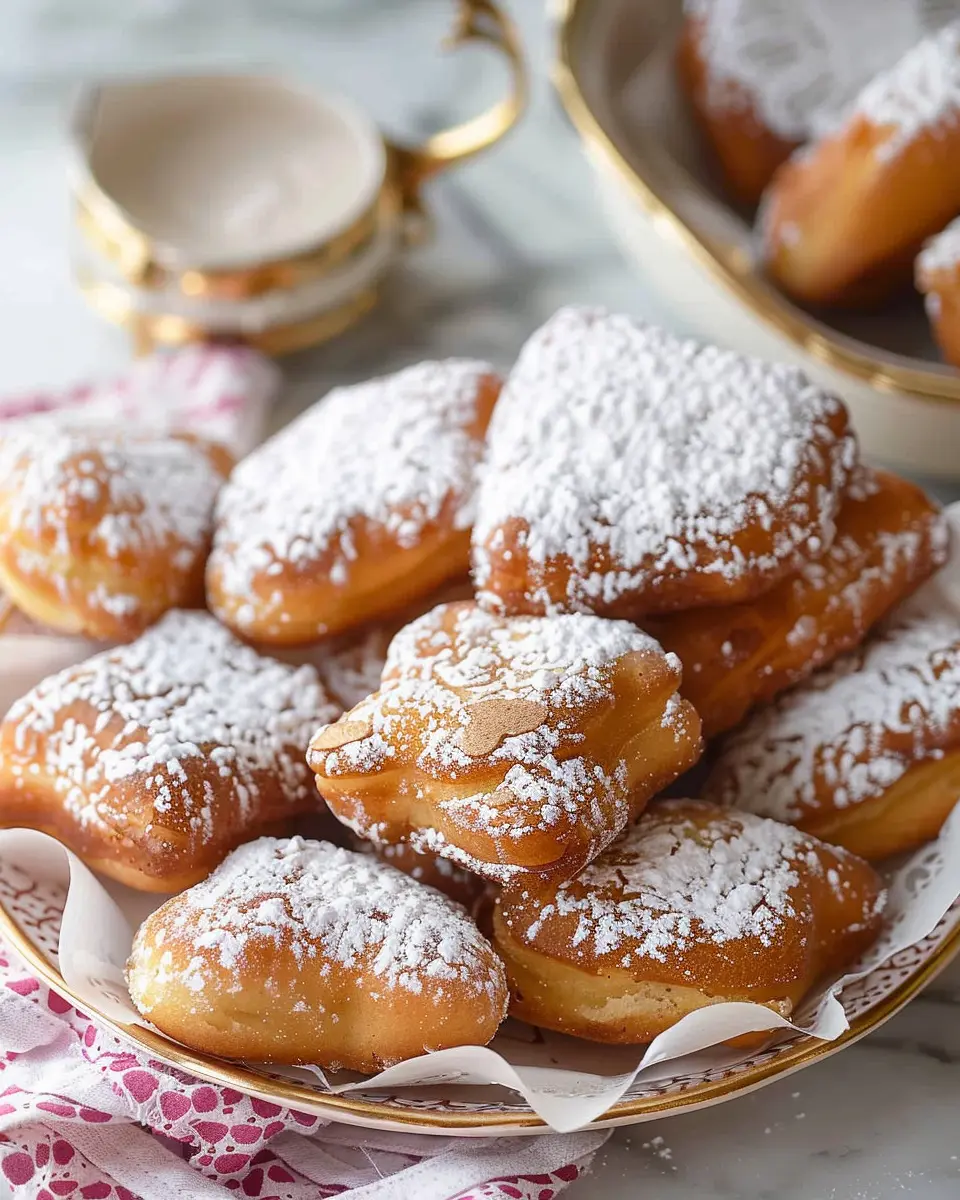
Serving Suggestions for Beignets
Pairing with Coffee or Tea
There’s nothing quite like enjoying a warm beignets recipe alongside your favorite cup of coffee or tea. Whether you fancy a rich, dark roast or a light herbal infusion, the fluffy sweetness of beignets perfectly balances the boldness of coffee or the brightness of tea. Try pairing them with chicory coffee for a traditional New Orleans flair—it’s a delightful combination that will transport you straight to a bustling café on Bourbon Street. If tea is more your style, opt for a nice Earl Grey. The hints of bergamot in the tea beautifully complement the sugary goodness of your beignets.
Elevating the Serving Experience
To make your beignet experience feel extra special, consider garnishing them creatively! Dust them generously with powdered sugar, or even add cinnamon sugar for a warm twist. Serve them with dips like chocolate sauce, raspberry coulis, or whipped cream for added indulgence. You can also arrange them on a pretty platter with fresh fruits and nuts for a stunning visual appeal. Guests will be impressed, and you’ll enjoy that lovely feeling of hosting! Looking for more serving ideas? Check out this guide on hosting the perfect brunch for inspiration!
Time Breakdown for Beignets
Preparation Time
To kick off your beignets recipe, set aside about 20 minutes for preparation. This time includes measuring out your ingredients and mixing the dough to ensure a perfect, fluffy treat that you’ll love. It’s a fun step and perfect for those who enjoy a little culinary adventure!
Rising Time
Patience is key! Allow your dough to rise for about 2 hours in a warm spot. This resting period is crucial as it develops the flavors and texture. If you’re short on time, consider checking out tips for proper dough rising here.
Cooking Time
Once your dough is ready, frying your beignets will take around 3-4 minutes per batch. You’ll want them golden brown and puffy, so keep an eye on them—this part is where the magic happens!
Total Time
In total, you’re looking at roughly 2 hours and 30 minutes from start to finish. While this may sound a bit long, the yummy results are absolutely worth the wait! You’ll soon have a delightful batch of beignets to share with friends or enjoy on a cozy afternoon.
Nutritional Facts for Beignets
When diving into the delightful world of beignets, understanding their nutritional profile can enrich your culinary experience. Let’s break down some key facts!
Calories
One serving of a classic beignet can range from 150 to 200 calories. This makes them a delightful treat, but moderation is key.
Carbohydrates
Beignets are primarily made of flour, contributing to their higher carbohydrate content—typically around 28 grams per serving. These carbs provide a quick energy boost, perfect for an afternoon pick-me-up.
Protein
You won’t find much protein in a traditional beignet; they generally contain 1 to 2 grams per serving. They’re more about satisfying that sweet tooth than packing a protein punch.
Sugar Content
The joy of your beignets recipe lies in their sweetness! One serving can have around 5 to 10 grams of sugar, especially if you opt for generous dusting of powdered sugar. Just enough to indulge without overdoing it!
Want to explore more about nutrition? Check out Healthline for valuable tips on enjoying sweet treats while maintaining a balanced diet. Remember, beignets are best enjoyed as an occasional delight!
FAQs about Beignets
Can I make beignet dough ahead of time?
Absolutely! Making your beignets recipe ahead of time can save you some precious minutes, especially on those lazy weekend mornings. Once your dough is mixed, cover it with plastic wrap and refrigerate for up to 24 hours. The dough’s flavor will actually improve as it rests, thanks to the yeast slowly working its magic. Just remember to let it come back to room temperature before frying!
What’s the best way to store leftover beignets?
If you’re lucky enough to have leftover beignets (though that’s always a tough call), storing them properly is key to maintaining their deliciousness. Place them in an airtight container at room temperature for up to two days. To revive their crispy texture, pop them in a preheated oven at 350°F for a few minutes. This will help get them warm and crunchy again. Who says you can’t have that freshly fried flavor later on?
Can beignets be frozen?
Yes, you can freeze your beignets! Just fry them up as per your beignets recipe, let them cool completely, and then place them in a single layer on a baking sheet. After they’re frozen solid, transfer them to a freezer bag. They can last up to a month in the freezer. When you’re ready to enjoy, just reheat them in the oven until warm. Instant indulgence!
For more tips on how to store pastries, you might want to check out resources from The Kitchn or Serious Eats. Happy frying!
Conclusion on Beignets
The Joy of Homemade Beignets
Making your own beignets is a delightful journey filled with joy and satisfaction. There’s something magical about biting into a warm, fluffy doughnut, dusted with powdered sugar, that takes you back to carefree mornings. This beignets recipe not only connects you to a vibrant culinary tradition but also allows you to customize flavors and fillings to suit your preferences.
Whether you enjoy them plain or with a dip of chocolate sauce, these treats are perfect for gatherings or cozy solo mornings. So why not gather your friends, whip up a batch, and indulge in the sweetest experience? For more on the history and culture surrounding beignets, check out NOLA.com for insights. Enjoy your culinary adventure!
PrintBeignets Recipe: Indulge in These Easy, Homemade Treats

Experience the delightful taste of beignets with this easy homemade recipe. Perfect for breakfast or a sweet treat!
- Prep Time: 20 minutes
- Cook Time: 10 minutes
- Total Time: 30 minutes
- Yield: 12 beignets
- Category: Dessert
- Method: Frying
- Cuisine: French
Ingredients
- 2 cups all-purpose flour
- 1/4 cup granulated sugar
- 1 tablespoon baking powder
- 1/2 teaspoon salt
- 1/2 teaspoon ground nutmeg
- 1/2 cup milk
- 2 large eggs
- 1 teaspoon vanilla extract
- 2 cups vegetable oil (for frying)
- powdered sugar (for dusting)
Instructions
- In a large bowl, mix flour, sugar, baking powder, salt, and nutmeg.
- In a separate bowl, whisk together milk, eggs, and vanilla.
- Combine wet and dry ingredients until just mixed.
- Heat oil in a deep fryer or large pot.
- Drop spoonfuls of dough into hot oil and fry until golden brown.
- Remove and drain on paper towels, then dust with powdered sugar.
Notes
- Serve warm for the best taste.
- Experiment with fillings like chocolate or fruit jams.
Nutrition
- Serving Size: 2 beignets
- Calories: 150
- Sugar: 5g
- Sodium: 200mg
- Fat: 7g
- Saturated Fat: 1g
- Unsaturated Fat: 5g
- Trans Fat: 0g
- Carbohydrates: 20g
- Fiber: 1g
- Protein: 3g
- Cholesterol: 40mg