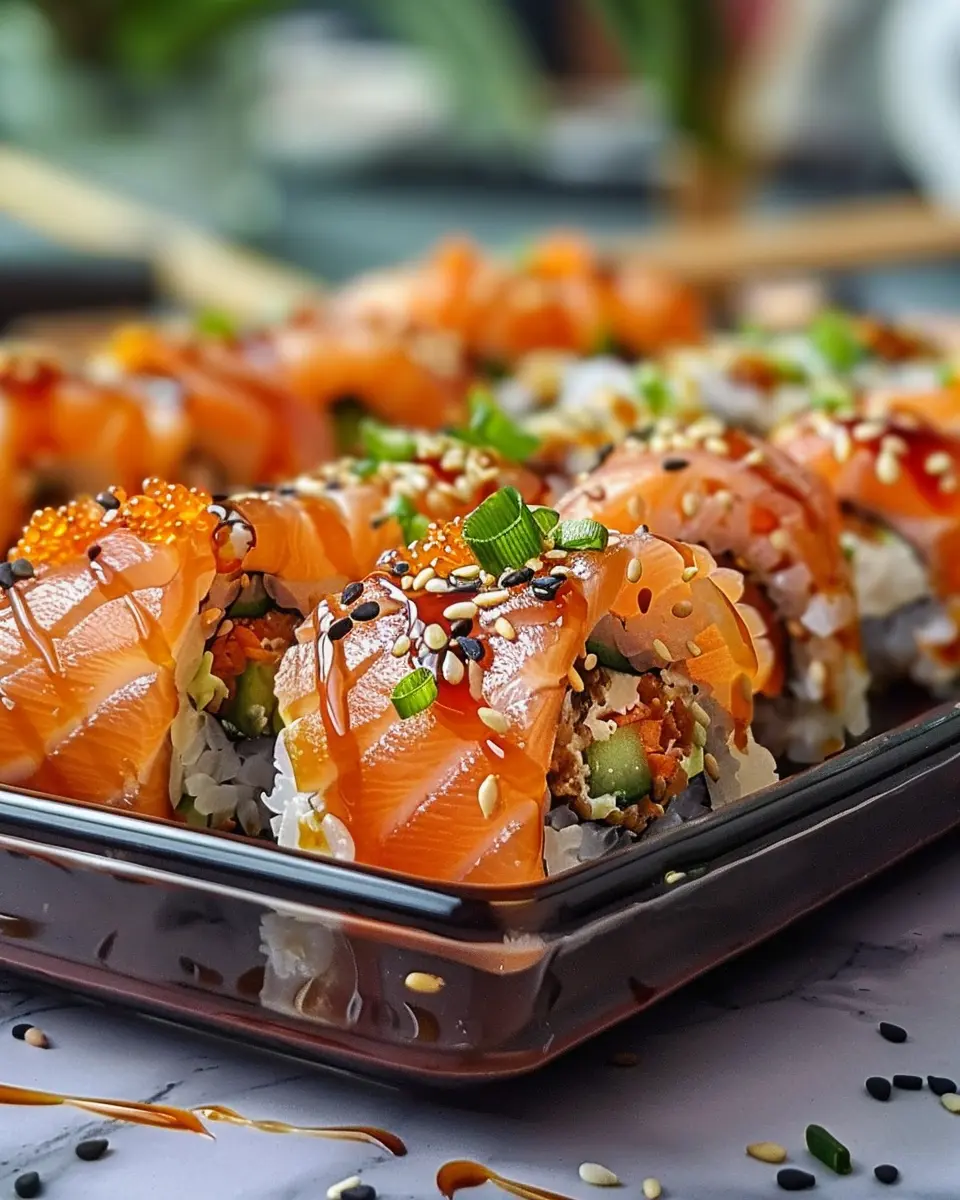
Introduction to Salmon Sushi
Salmon sushi isn’t just a culinary delight; it’s a revolution for busy professionals looking to combine convenience with health. Picture this: after a long day of back-to-back meetings, you’re tired and hungry, but the thought of ordering takeout is less than appealing. This is where making your own salmon sushi can transform your evenings. Besides being a fun culinary project, it’s a wholesome alternative to processed fast food.
Incorporating salmon sushi into your weekly meal prep can save time and money while allowing you to control the ingredients. Did you know that preparing your own meals can save you nearly $2,000 a year compared to dining out? Plus, making sushi at home can be surprisingly simple once you get the hang of it. You’ll enjoy fresh, high-quality ingredients and adjust flavors to suit your palate, which is hard to find in most takeout options.
Why Homemade Salmon Sushi is a Game Changer for Busy Professionals
Homemade salmon sushi is an ultimate solution for those of us juggling deadlines and social commitments. Here are a few reasons why:
-
Quick and Easy: Once you master a few techniques, whipping up a sushi roll can be as quick as getting takeout. You’ll only need about 30 minutes to prepare your sushi once you have your ingredients ready.
-
Healthier Choices: You control what goes into each roll, allowing for healthier options. Use brown rice for added fiber or opt for cucumber and avocado instead of richer fillings.
-
Budget-Friendly: Sushi takeout can add up quickly. Making it at home is much more economical, not to mention you can make larger batches to carry lunch for the week.
-
Creative Outlet: Sushi-making can be a fun event, whether you’re cooking alone or inviting friends over. Experimenting with different fillings lets your creativity shine!
So, why wait? Dive into the savory world of homemade salmon sushi, and discover how it can enhance your meal routine. With just a little practice, you’ll find it’s not just food—it’s an experience. Want to learn more about sushi-making techniques? Check out resources from experts like Serious Eats for tips and inspiration.
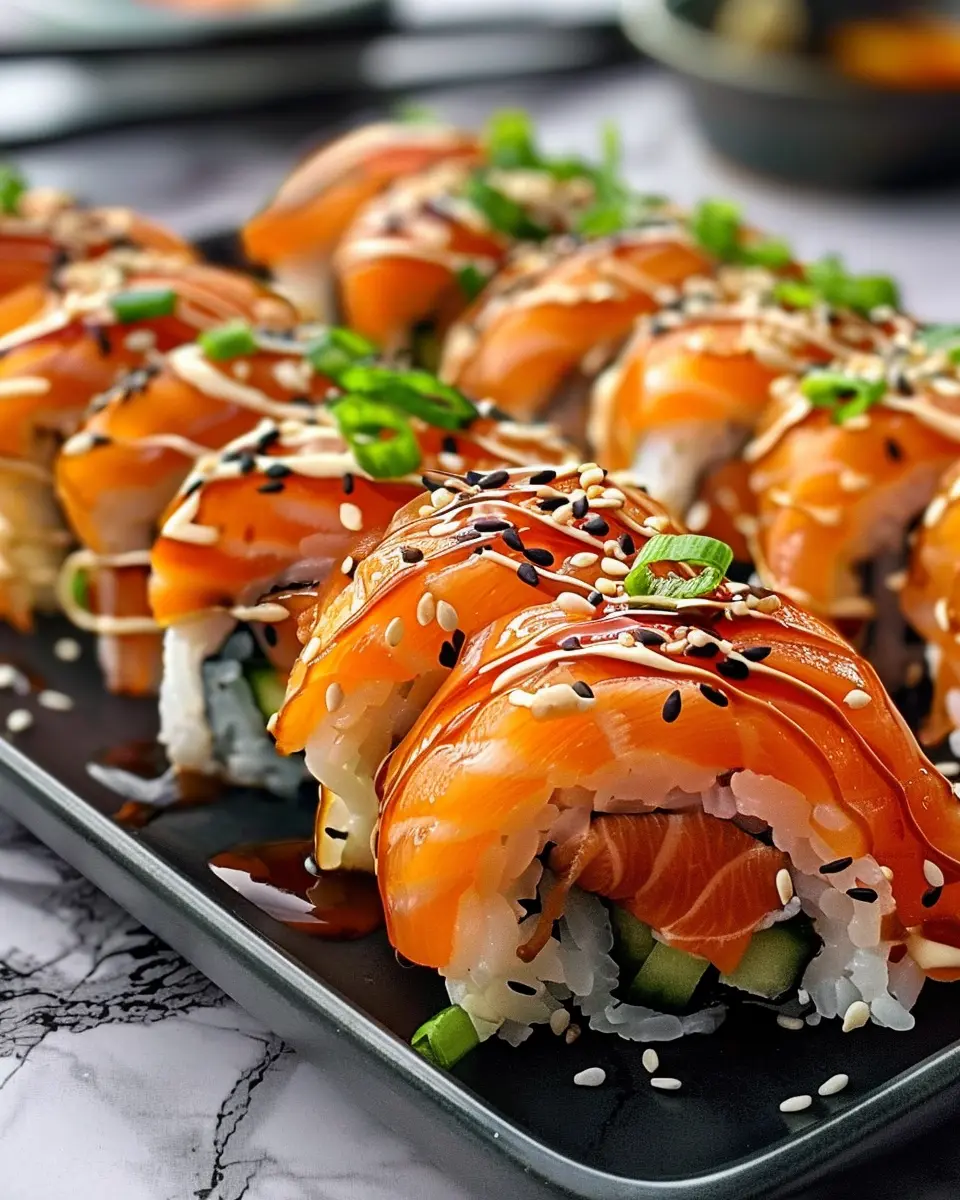
Ingredients for Salmon Sushi
Essential ingredients you’ll need for delicious salmon sushi
Creating your own salmon sushi at home is not only rewarding but also a fun culinary adventure! To whip up this delightful dish, you’ll need a few essential ingredients that ensure every bite bursts with flavor.
- Sushi Rice: The backbone of any sushi, use short-grain rice for that perfect stickiness.
- Fresh Salmon: Look for sushi-grade salmon for the best quality, flavor, and safety.
- Nori Seaweed Sheets: Perfect for wrapping up your sushi, these provide a unique texture and taste.
- Rice Vinegar: Add a touch of acidity and flavor to your sushi rice by seasoning it with rice vinegar.
- Soy Sauce: For dipping and drizzling, soy sauce adds depth to your salmon sushi experience.
- Wasabi: If you enjoy a bit of heat, wasabi is a classic accompaniment that enhances the flavors.
- Pickled Ginger: This adds a refreshing touch and cleanses your palate between bites.
Consider pairing your salmon sushi with some miso soup or a refreshing cucumber salad for a complete meal! Don’t forget to check out resources on sushi preparation on sites like Serious Eats for more tips!
Preparing Salmon Sushi
Making salmon sushi at home can be an incredibly rewarding experience. Not only do you get to enjoy delicious, fresh sushi tailored to your taste, but it also allows you to impress friends and family with your culinary skills. Let’s break down the steps so you can roll like a pro in no time!
Get your sushi rice ready
The foundation of any great sushi is high-quality sushi rice. You can’t skimp on this part! Start by picking the right type of short-grain rice, which will give you that sticky texture perfect for rolling. You’ll need about 2 cups of sushi rice for a standard batch. Make sure you also have some rice vinegar, sugar, and salt handy, as you’ll use these to season the rice later.
Rinse and cook the rice perfectly
Next, it’s time to rinse and cook your rice. Rinsing is crucial to remove excess starch, as it helps achieve that desirable fluffy outcome. Here’s how to do it:
- Place the rice in a fine mesh strainer and rinse under cold running water until the water runs clear.
- Once rinsed, soak the rice in enough water for about 30 minutes. This helps the rice absorb water evenly.
- Drain the rice and add it to a rice cooker or a pot, with a 1:1.2 rice-to-water ratio. If you’re using a rice cooker, follow its instructions; otherwise, bring the water to a boil, then cover and simmer on low for about 20 minutes.
While the rice is cooking, mix 1/4 cup of rice vinegar, 2 tablespoons of sugar, and 1 teaspoon of salt in a small bowl until dissolved. Once the rice is done, transfer it to a large bowl and gently fold in the vinegar mixture with a wooden spatula. Let it cool to room temperature.
For additional tips on cooking sushi rice, consider checking out resources from the Sushi Council for expert advice.
Prepare your nori and fillings
Before you start rolling, gather your other ingredients. You’ll need sheets of nori (seaweed) and, of course, your fresh salmon. Sushi-grade salmon is crucial here—make sure to source from a reputable supplier. You may also want to include complementary ingredients like cucumber, avocado, or even some turkey bacon for an interesting twist.
- Cut the filling ingredients: Slice your salmon, cucumbers, and avocado into thin strips. The more colorful your fillings, the more appealing your sushi will look!
Roll your sushi like a pro
Now comes the fun part! Lay out your bamboo sushi mat on a flat surface and place a sheet of nori shiny side down on the mat.
- Wet your hands to prevent sticking, and grab about a handful of sushi rice. Spread it evenly over the nori, leaving about an inch at the top edge bare.
- Lay your salmon and any additional fillings horizontally across the middle.
- Using the bamboo mat, roll the nori away from you, applying gentle pressure to keep the roll tight. Tuck in the fillings as you go, and keep rolling until you reach the bare edge of the nori.
Slice and serve your homemade sushi
Your gorgeous salmon sushi roll is almost ready! To make slicing easier, use a sharp, wet knife to cut the roll into bite-sized pieces. Aim for about 6-8 pieces depending on the size of your roll. Arrange them on a plate, and feel free to garnish with some pickled ginger or wasabi.
Want to enhance your sushi experience? Pair it with a refreshing lemonade or a cold green tea, which beautifully complements the flavors.
Now that you know how to prepare salmon sushi, gather your friends for a sushi night! Who wouldn’t enjoy learning to roll up their own sushi creations while sharing laughs? Enjoy your culinary journey!
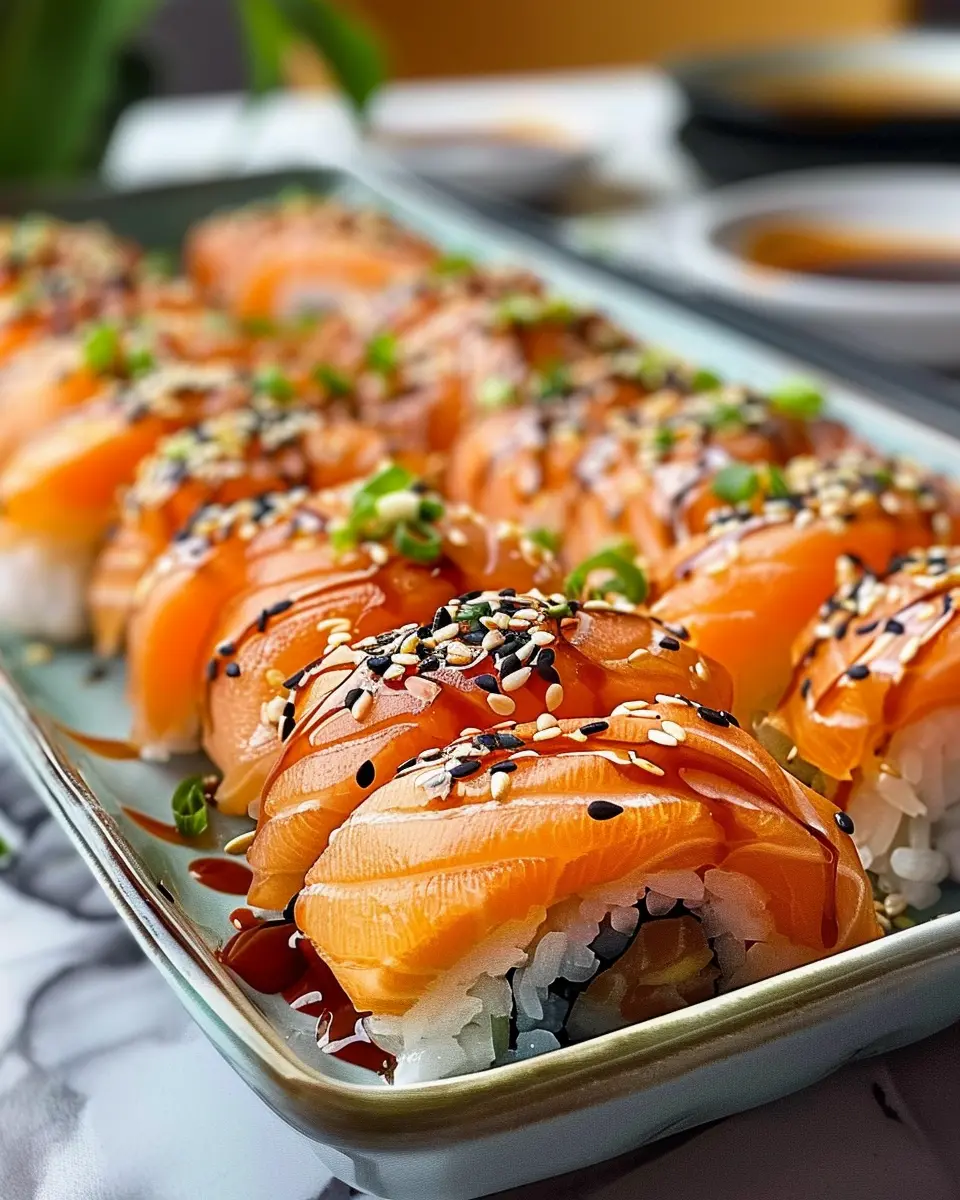
Variations on Salmon Sushi
When it comes to salmon sushi, the possibilities are endless! This beloved dish can be tailored to suit various tastes and dietary preferences. Two popular variations you’ll love experimenting with are spicy salmon sushi rolls and veggie-packed salmon sushi rolls.
Spicy Salmon Sushi Rolls
If you enjoy a kick of heat, spicy salmon sushi rolls might quickly become your go-to. Here’s how to make them extra special:
- Ingredients: Combine diced raw salmon with sriracha, mayonnaise, and a splash of sesame oil for that perfect creamy and spicy blend.
- Assembly: Spread your sushi rice on a nori sheet, layer in the spicy salmon mixture, and add thinly sliced cucumber for crunch. Roll tightly and slice.
This flavor-packed twist not only adds excitement to your sushi but also makes use of high-quality fish—check out resources like SeafoodWatch.org for sustainability tips when sourcing your salmon.
Veggie-Packed Salmon Sushi Rolls
For those looking to add a fresh twist or cater to a vegetarian audience, veggie-packed salmon sushi rolls can be a delightful alternative. Here’s a simple breakdown:
- Fillings: Start with the traditional salmon, then load up on colorful veggies such as bell peppers, carrots, and avocado. These not only enhance the nutritional profile but also create a visually appealing sushi roll.
- Flavor Boost: Try drizzling a bit of wasabi-infused soy sauce over the top for an added zing, or serve with a side of pickled ginger for a refreshing palate cleanser.
Whether you’re hosting friends or simply enjoying a cozy night in, these variations on salmon sushi will surely impress. For more inspiration, consider checking popular food blogs or sushi-specific recipe sites. The world of sushi is as vast as your imagination!
Cooking Tips for Salmon Sushi
Selecting the Best Sushi-Grade Salmon
When it comes to making delicious salmon sushi, the key is selecting high-quality, sushi-grade salmon. Look for fish that is bright in color, with a firm texture and a fresh ocean-like scent. Always buy from reputable sources—consider checking out local fish markets or trusted online vendors like Sea to Table or Fished for reliable options. And remember: never hesitate to ask your fishmonger if they have sushi-grade selections.
Achieving the Perfect Rice Texture
The right rice can transform your salmon sushi experience. Opt for short-grain sushi rice, as it’s stickier and provides that classic texture. Rinse the rice thoroughly until the water runs clear, which removes excess starch for better cooking. Cook according to package instructions, and don’t forget to season it after cooking with a mixture of rice vinegar, sugar, and salt. Let it cool to room temperature, and you’ll have a perfect bed for your delicious salmon!
For more tips on rice preparation, check out resources like Japan Centre or Serious Eats for step-by-step guidance. Happy sushi-making!
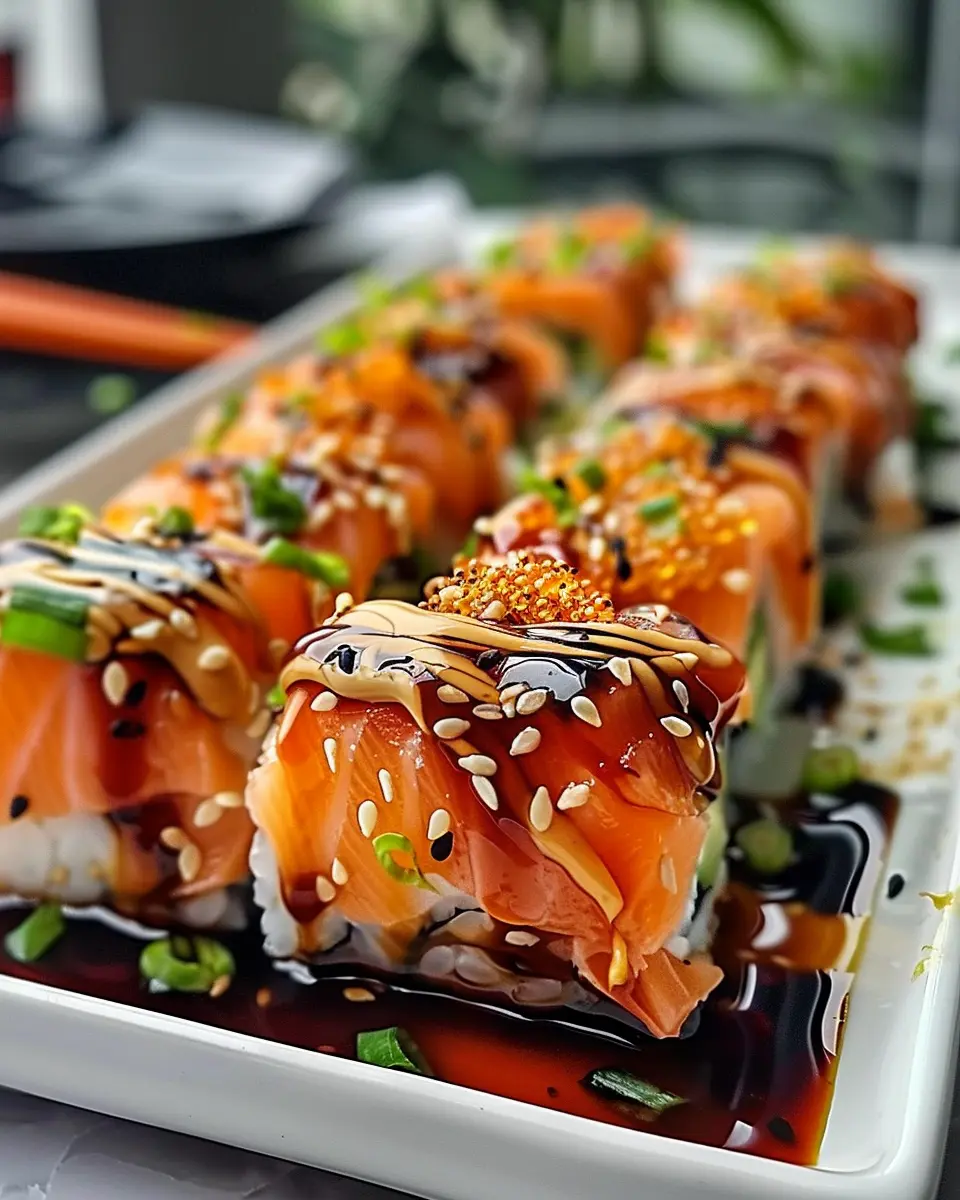
Serving suggestions for Salmon Sushi
Accompaniments that elevate your sushi experience
When it comes to enjoying salmon sushi, the right accompaniments can take your meal to a whole new level. Think about adding a side of wakame salad—this seaweed salad’s umami flavor provides a refreshing contrast to the rich salmon.
For a bit of crunch, include some tempura vegetables. They offer that satisfying texture that pairs wonderfully with sushi. Additionally, a bowl of miso soup can create a comforting experience, enhancing your sushi dinner.
Don’t forget about dipping sauces! A mix of soy sauce with a splash of fresh lime juice or sesame oil can amplify the flavors of your salmon. You could also experiment with pickled ginger; it cleanses the palate between bites, allowing you to fully savor the unique taste of each piece.
For a drink pairing, try a chilled cup of green tea or sparkling water infused with citrus. These beverages not only cleanse the palate but also complement the exquisite flavors of salmon sushi surprisingly well.
For more interesting serving ideas, check out sources like Serious Eats, where sushi lovers gather to share.
Time breakdown for Salmon Sushi
Preparation time
Getting your salmon sushi just right takes about 20-25 minutes in the prep phase. This includes gathering and slicing the ingredients, such as fresh salmon and vegetables, and cooking the sushi rice. Don’t rush—taking that extra time to prepare can truly elevate your dish!
Cooking time
The cooking time is relatively short, typically around 15 minutes for the sushi rice to achieve the perfect sticky texture. Keep an eye on it to avoid overcooking!
Total time
In total, you’ll spend approximately 40-45 minutes making your delicious salmon sushi. It’s a small investment for a delightful meal that’s sure to impress your friends or satisfy your cravings. Plus, what could be better than enjoying sushi made right in your own kitchen?
For more tips on perfecting sushi, check out resources like Sushi Curious.
Nutritional facts for Salmon Sushi
When you enjoy a piece of salmon sushi, you’re not just tantalizing your taste buds; you’re also indulging in a dish that boasts impressive nutritional benefits. Here’s a closer look at the nutritional facts that make salmon sushi a fantastic choice for a healthy meal.
Calories per serving
A typical serving of salmon sushi contains about 200-250 calories, making it a guilt-free option for your lunch or dinner. This calorie count largely depends on the type of rice and toppings used.
Protein content
Salmon is a powerhouse of protein, offering around 20 grams per serving. This makes salmon sushi an excellent choice for those looking to build muscle or maintain a balanced diet. According to the USDA, fish, particularly fatty fish like salmon, provides high-quality protein essential for various bodily functions.
Sodium levels
While sushi is delicious, it’s good to be aware of sodium content. A serving of salmon sushi may have about 300-400 mg of sodium, depending on additional ingredients like soy sauce. For those watching their sodium intake, opting for low-sodium soy sauce can enhance flavor without the extra salt.
Curious about the specific health benefits of salmon sushi? Check out reputable sources like the American Heart Association for in-depth information on how salmon contributes to heart health and overall wellness. So, grab your mat and roll away; every bite of salmon sushi is a step towards nourishing your body!
FAQs about Salmon Sushi
What types of salmon can I use for sushi?
When it comes to making salmon sushi, quality is key. You can opt for varieties like Atlantic salmon or wild-caught sockeye salmon. Both options provide a rich flavor and beautiful color. Look for sashimi-grade salmon, which is specifically prepared for raw consumption, ensuring safety and freshness. If you’re unsure where to find it, check out local seafood markets or reliable online suppliers for high-quality options that meet health standards.
How do I store leftover sushi?
If you find yourself with leftover salmon sushi, you’ll want to enjoy it at its best. First, wrap the sushi tightly in plastic wrap or store it in an airtight container to reduce exposure to air, which can dry it out. Aim to consume leftovers within 24 hours for the best taste and safety, as raw fish doesn’t last long. If you need to store it a bit longer, consider keeping the sushi rice and salmon separate and assemble right before eating. For more tips on sushi storage, you might find resources on food safety and preservation helpful.
Can I make sushi without a bamboo mat?
Absolutely! While a bamboo mat, or maki su, is traditionally used to roll sushi, you can use a clean kitchen towel or even your hands to shape the salmon sushi. Just spread the rice on a flat surface, place your fillings strategically, and roll it up as tightly as you can. It might take a bit of practice, but you’ll get the hang of it in no time. Don’t let the lack of a bamboo mat deter you from enjoying homemade sushi!
For more sushi tips and recipes, check out reputable blogs like Just One Cookbook for inspiration.
Conclusion on Salmon Sushi
Embracing Homemade Sushi for a Healthier Lifestyle
Creating your own salmon sushi is not just a fun culinary adventure—it’s a step towards a healthier lifestyle. By preparing sushi at home, you have complete control over the ingredients, allowing you to make nutritious choices. For example, you can opt for brown rice instead of white for added fiber or even incorporate fresh vegetables for extra vitamins.
Moreover, the process of making sushi can be bonding—whether you’re sharing the experience with friends or family. Plus, did you know that sushi can be part of a balanced diet? According to the American Heart Association, fatty fish like salmon can promote heart health. So why not bring these benefits into your kitchen?
Ready to dive into the world of salmon sushi? With a bit of practice, you’ll find it becomes an enjoyable and rewarding part of your culinary repertoire. For more sushi inspiration, explore additional resources like Sushi at Home for tips on perfecting your technique!
PrintSalmon Sushi Made Easy: A Delicious Twist on Homemade Rolls

Discover how to make delicious salmon sushi at home with this easy recipe. Perfect for sushi lovers!
- Prep Time: 30 minutes
- Cook Time: 20 minutes
- Total Time: 50 minutes
- Yield: 4 servings
- Category: Sushi
- Method: Rolling
- Cuisine: Japanese
- Diet: Gluten-Free
Ingredients
- 2 cups sushi rice
- 1 pound fresh salmon
- 1 avocado
- 1 cucumber
- 4 sheets nori
- 1/4 cup rice vinegar
- 1 tablespoon sugar
- 1 teaspoon salt
- soy sauce for dipping
- wasa for serving
Instructions
- Rinse the sushi rice under cold water until the water runs clear.
- Cook the rice according to the package instructions.
- In a small bowl, mix rice vinegar, sugar, and salt, then stir until dissolved.
- Once the rice is cooked, fold in the vinegar mixture and let it cool.
- Slice the salmon, avocado, and cucumber into thin strips.
- Place a sheet of nori on a bamboo mat, spread rice evenly over the nori, leaving a border.
- Layer salmon, avocado, and cucumber on the rice.
- Using the bamboo mat, roll the sushi tightly.
- Slice the roll into pieces and serve with soy sauce.
Notes
- Use fresh, sushi-grade salmon for the best taste.
- Feel free to add more vegetables or toppings.
Nutrition
- Serving Size: 2 rolls
- Calories: 350
- Sugar: 2g
- Sodium: 600mg
- Fat: 10g
- Saturated Fat: 2g
- Unsaturated Fat: 8g
- Trans Fat: 0g
- Carbohydrates: 55g
- Fiber: 3g
- Protein: 16g
- Cholesterol: 50mg