Introduction to Rice Pilaf
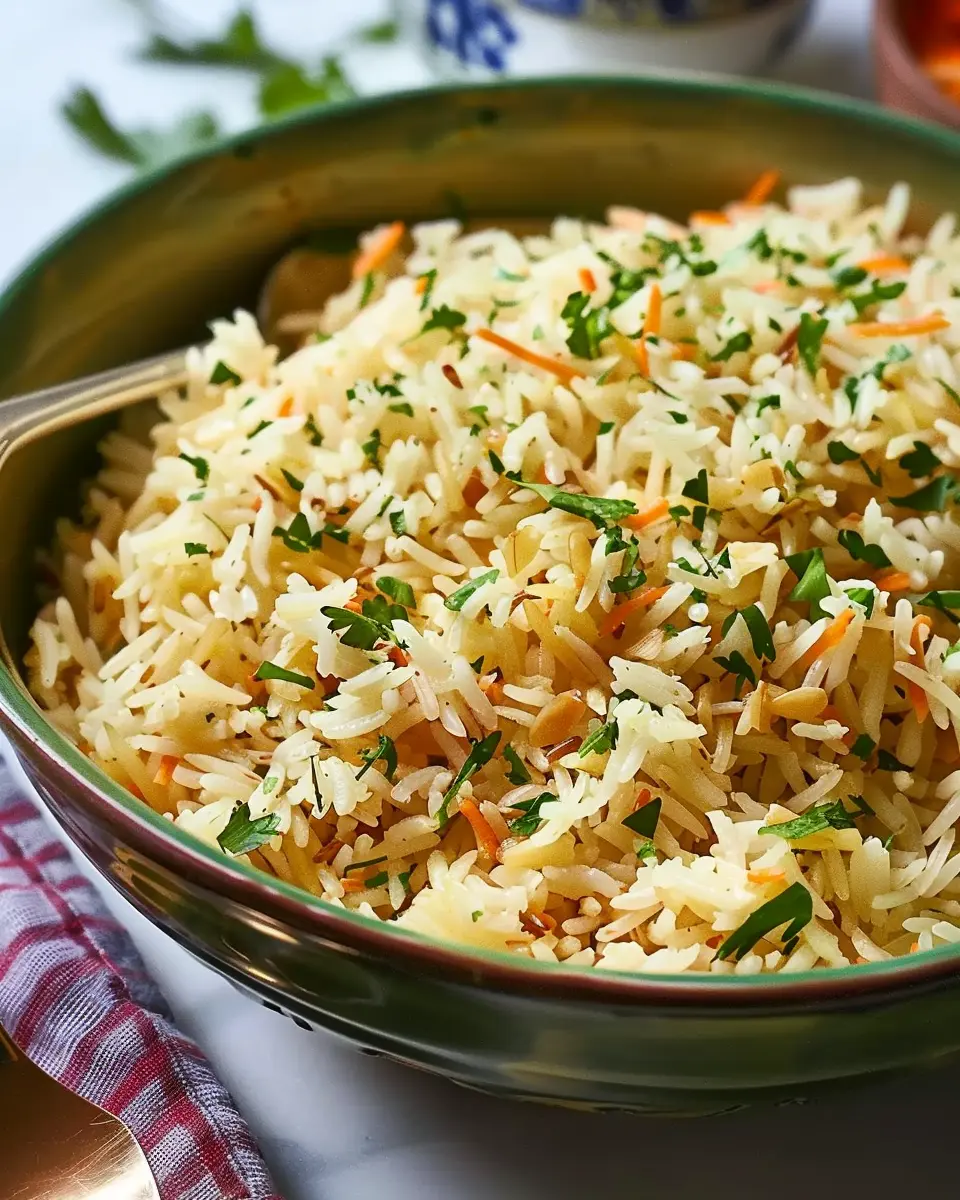
If you’ve been searching for a comforting yet gourmet homemade meal, look no further than rice pilaf. This dish is more than just a side; it’s a canvas for flavors and textures that can elevate any dining experience. Imagine fluffy rice infused with herbs, sautéed vegetables, and tender bites of Turkey Bacon or Chicken Ham. It’s simply delightful!
Why Rice Pilaf is the Perfect Homemade Meal
Rice pilaf is an ideal choice for young professionals. Not only is it quick to prepare, but it also allows for creativity in the kitchen. Here are a few reasons why this dish should be your go-to:
-
Versatility: Whether you’re hosting friends or enjoying a quiet night in, rice pilaf can adapt to any occasion. You can easily switch out ingredients based on your dietary preferences or what you have on hand. Consider adding seasonal vegetables for a fresh twist or throwing in some nuts for crunch.
-
Nutritious and Filling: Rice pilaf can be a healthy option when prepared with whole grains and vibrant vegetables. Pair it with your choice of protein, and you’ve got a complete meal that’s satisfying without weighing you down. According to a study published in the American Journal of Clinical Nutrition, incorporating whole grains can improve heart health and aid digestion.
-
Easy Meal Prep: If you’re like most young professionals, juggling work, social plans, and personal projects can be a juggling act. Thankfully, rice pilaf stores well. Make a big batch on the weekend and enjoy it throughout the week. It can easily be reheated, making your mealtime hassle-free.
-
Cost-Effective: On a budget? Rice pilaf can be made with simple ingredients that won’t break the bank. Bulk rice and seasonal produce can keep costs low while delivering on flavor. Plus, you can add leftover proteins for an effortless meal.
So why not give rice pilaf a try? With its blend of comfort and flair, you’ll discover it’s a dish that fits your lifestyle. Get ready to impress yourself (and maybe even a guest or two) with your culinary prowess! For more inspiration, check out The Kitchn for various rice recipes that can serve as great side dishes or main meals.
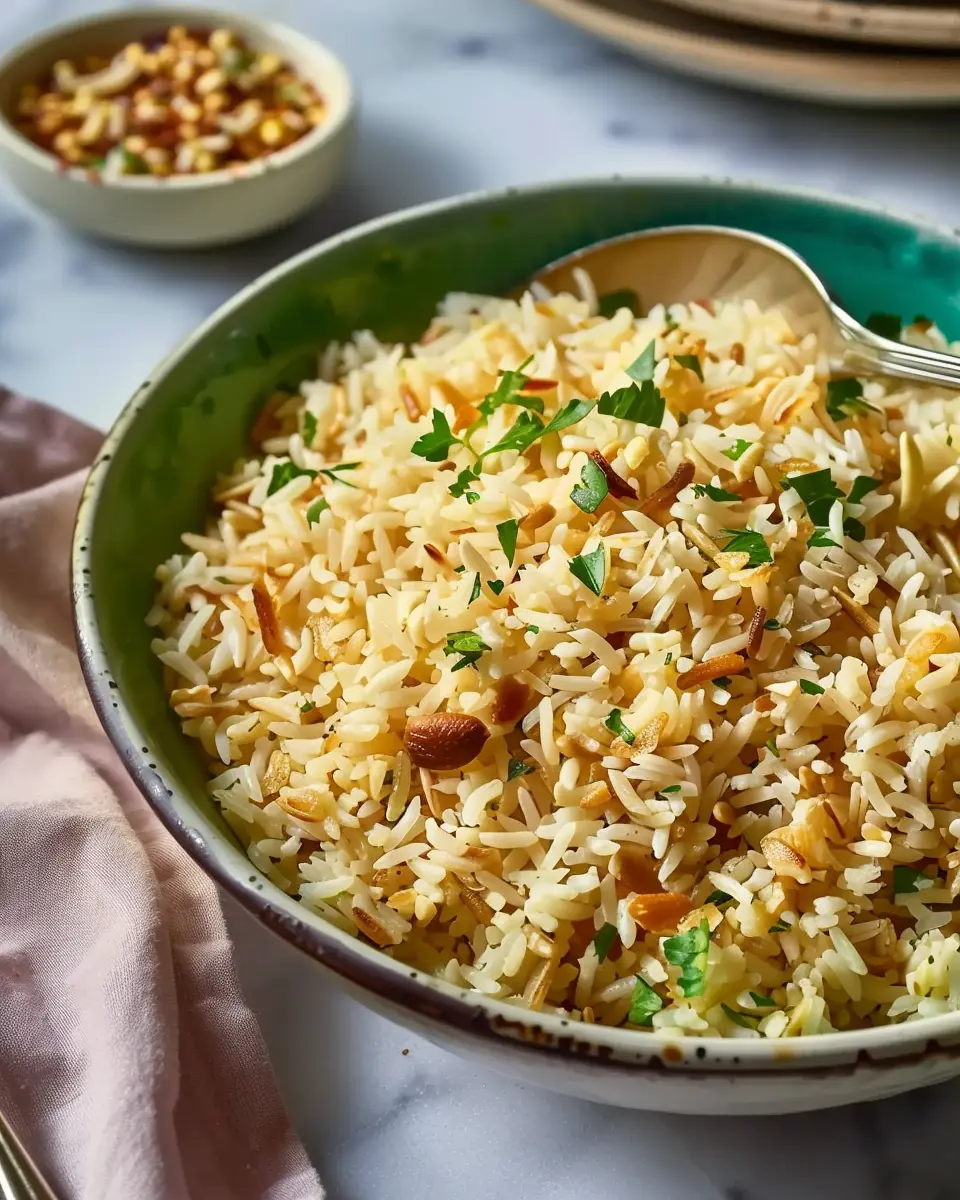
Ingredients for Rice Pilaf
When it comes to making a delicious rice pilaf, choosing the right ingredients can make all the difference in flavor and texture. Here’s what you’ll need to create this comforting dish that’s perfect as a side or main meal:
- Uncooked Rice: Long-grain white rice works beautifully, providing that fluffy, separated texture.
- Turkey Bacon: This adds a savory, smoky flavor without too much grease. You can also opt for chopped chicken ham for another delicious twist!
- Broth: Instead of water, use low-sodium chicken or vegetable broth for added depth.
- Onion and Garlic: Freshly chopped onion and minced garlic are key aromatics that elevate the dish’s flavors.
- Vegetables: Peas, carrots, or bell peppers add color and nutrition—get creative with what you have on hand.
- Spices: A touch of cumin or turmeric adds warmth, while bay leaves provide a lovely aroma.
For more tips on perfecting your rice pilaf, check out this flavorful guide or take inspiration from expert chefs!
Preparing Rice Pilaf
Ah, rice pilaf—an elegant yet uncomplicated dish that’s perfect for both weekday dinners and special occasions. By using just a handful of ingredients, you can create a meal full of flavor and texture. Let’s dive in and prepare a delicious rice pilaf that will leave everyone asking for seconds.
Gather Your Ingredients
First things first, you’ll need to gather your ingredients. This is a crucial step that can make or break your dish, so let’s make sure we have everything lined up before we get started. Here’s what you’ll need:
- 1 cup of long-grain rice (like basmati or jasmine)
- 1/4 cup of orzo (a tiny pasta that adds texture)
- 1 medium onion, finely chopped
- 2 cloves of garlic, minced
- 2 cups of chicken broth (for added flavor)
- 2 tablespoons of olive oil
- Salt and pepper to taste
- Optional: chopped herbs (like parsley or cilantro) for garnish
Feel free to look for high-quality ingredients at your local grocery store or specialty markets to enhance the flavors. For nutritional benefits, you can check out this guide on rice varieties to select what suits you best.
Sauté the Orzo and Onion
With everything prepped, it’s time to jump into the actual cooking process. Heat 2 tablespoons of olive oil in a medium-sized saucepan over medium heat. Once the oil is hot but not smoking, add the chopped onion.
Let it cook for a few minutes until the onions become translucent. This is when your kitchen starts to smell heavenly! Now, add the orzo to the pan. Stir it around for about 3-4 minutes until it starts to turn a light golden brown. This step is important because it adds a nutty flavor to the rice pilaf.
Add Garlic, Rice, and Broth
Once your orzo and onion are sautéed to perfection, it’s time to introduce the garlic. Add the minced garlic and stir it for about 30 seconds until fragrant. Be careful not to let it burn—no one likes bitter garlic! After that, throw in your 1 cup of long-grain rice and stir everything together for another minute.
Now, pour in 2 cups of chicken broth while scraping any bits off the bottom of the pan. Season with salt and pepper to your liking. Bring the liquid to a boil, then reduce the heat to low. This is where the magic happens in your rice pilaf, transforming simple grains into a flavorful dish.
Simmer to Perfection
Cover the saucepan with a tight-fitting lid and let it simmer for about 15-20 minutes. Resist the urge to lift the lid during this time, as you’ll let precious steam escape! You’ll know it’s ready when the liquid is absorbed, and the rice is tender.
If you’re feeling adventurous, consider adding some chicken ham or turkey bacon in the last few minutes of cooking for extra protein and flavor. Cooking can be fun and experimental—don’t be afraid to play around with your recipes!
Fluff and Serve
Once the rice is done simmering, remove it from heat but keep the lid on for an additional 5 minutes. This helps steam the rice further, making it fluffy and delicious. After that, uncover and use a fork to fluff the rice gently.
For a beautiful presentation, transfer your rice pilaf into a serving bowl and garnish with freshly chopped herbs. And there you have it! A fragrant, colorful side dish that pairs well with almost anything.
Whether you’re celebrating a special occasion or just enjoying a cozy evening at home, this rice pilaf recipe is sure to impress. Share your experiences cooking this dish and any personal twists you might add! Happy cooking!
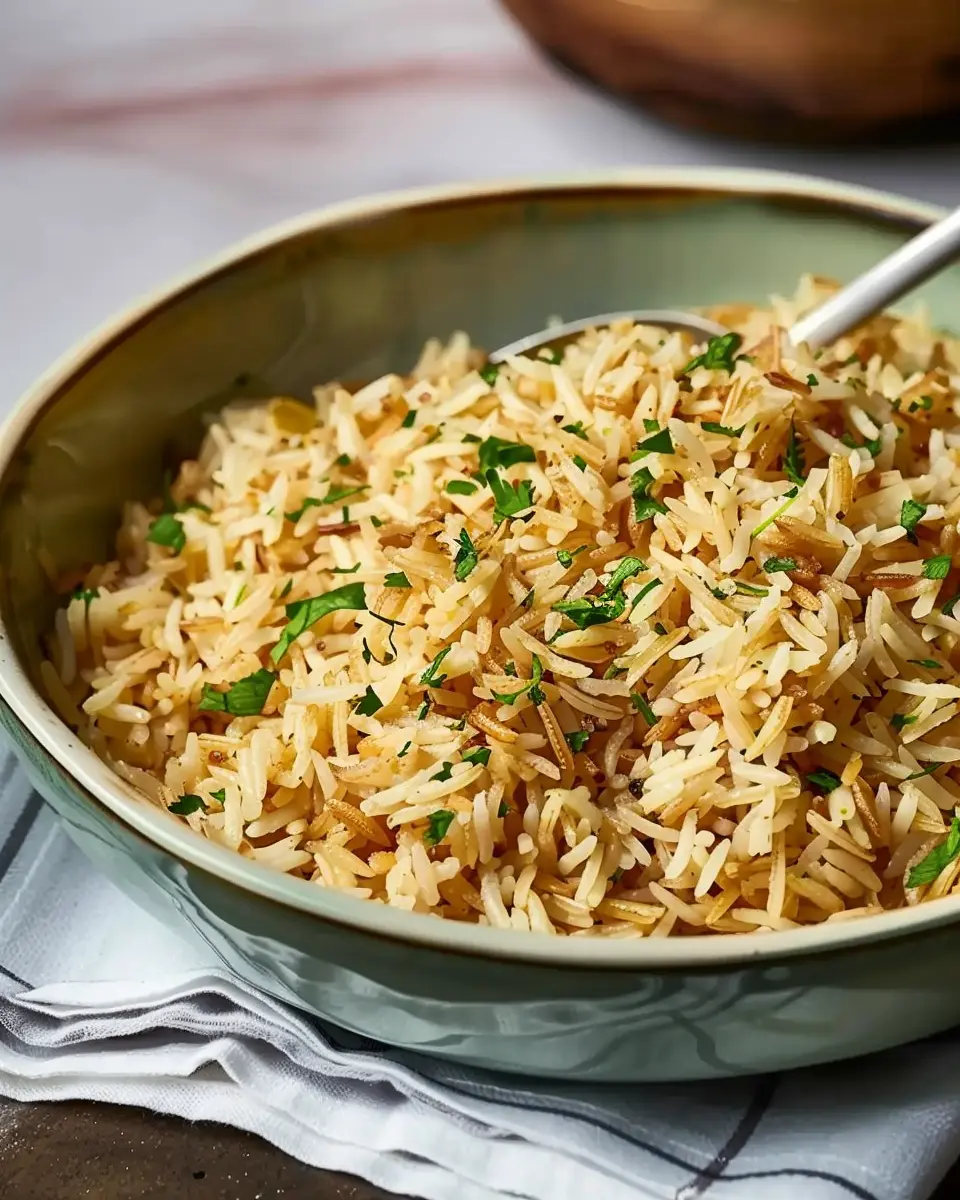
Variations on Rice Pilaf
Rice pilaf is a wonderfully versatile dish that lends itself to a myriad of variations. Here are three delightful takes on this classic recipe that can easily elevate your dining experience.
Mediterranean Rice Pilaf with Herbs
Imagine diving into a vibrant bowl of Mediterranean rice pilaf, where each bite transports you to sun-kissed coastlines. To achieve this, simply incorporate a mix of fresh herbs like parsley, dill, and mint into your rice pilaf. Add sun-dried tomatoes and kalamata olives for that burst of flavor, and swap out your standard broth with a vegetable broth infused with lemon—trust me, it works wonders! For a wholesome side dish or light main course, serve alongside grilled chicken or fish.
Nutty Rice Pilaf with Toasted Almonds
For those who enjoy a nutty crunch, a nutty rice pilaf with toasted almonds is a must-try. All you need to do is toast a handful of slivered almonds in a bit of olive oil before adding them to your rice pilaf. This small tweak provides a delightful texture and a rich, buttery flavor that pairs beautifully with sautéed veggies or a juicy chicken ham dish. A sprinkle of cinnamon can also offer a warm undertone, making this a comforting option for any day of the week.
Spicy Rice Pilaf with Jalapeños
Are you feeling adventurous? Spice things up with a fiery rice pilaf featuring jalapeños. Start by sautéing diced jalapeños and onions to create a flavorful base for your rice pilaf. Adding black beans or corn can further enhance this dish, turning it into a vibrant, southwestern-inspired meal. Serve it as a side or pile it high as a main dish, and don’t forget to top it with a dollop of sour cream for a cooling effect.
These variations can suit any palate and occasion, proving just how adaptable rice pilaf can be in your culinary repertoire. For more inspiration on grains and sides, check out The Whole Grains Council. Happy cooking!
Cooking Tips and Notes for Rice Pilaf
Ensuring the Orzo is Golden
To achieve that beautiful nutty flavor in your rice pilaf, start by toasting the orzo. Heat a splash of olive oil in your pan, then add the orzo and stir frequently until it turns golden brown. This not only enhances taste but also adds a delightful texture. Remember to keep an eye on it; it can go from golden to burnt in an instant!
How to Achieve Perfectly Fluffy Rice
Fluffy rice is the hallmark of great rice pilaf. Here are some tips to ensure success:
- Rinse the Rice: Rinsing removes excess starch, preventing clumpiness.
- Water Ratio: For most types of rice, a 1:2 ratio of rice to water works best. If you’re using aromatic basmati or jasmine rice, the ratio may vary slightly.
- Steam After Cooking: Once the rice is cooked, let it sit covered for about 10 minutes before fluffing with a fork. This extra step allows steam to escape and gives you that light, airy texture.
For more insights on perfecting your rice dishes, check out this informative guide on cooking techniques. Happy cooking!
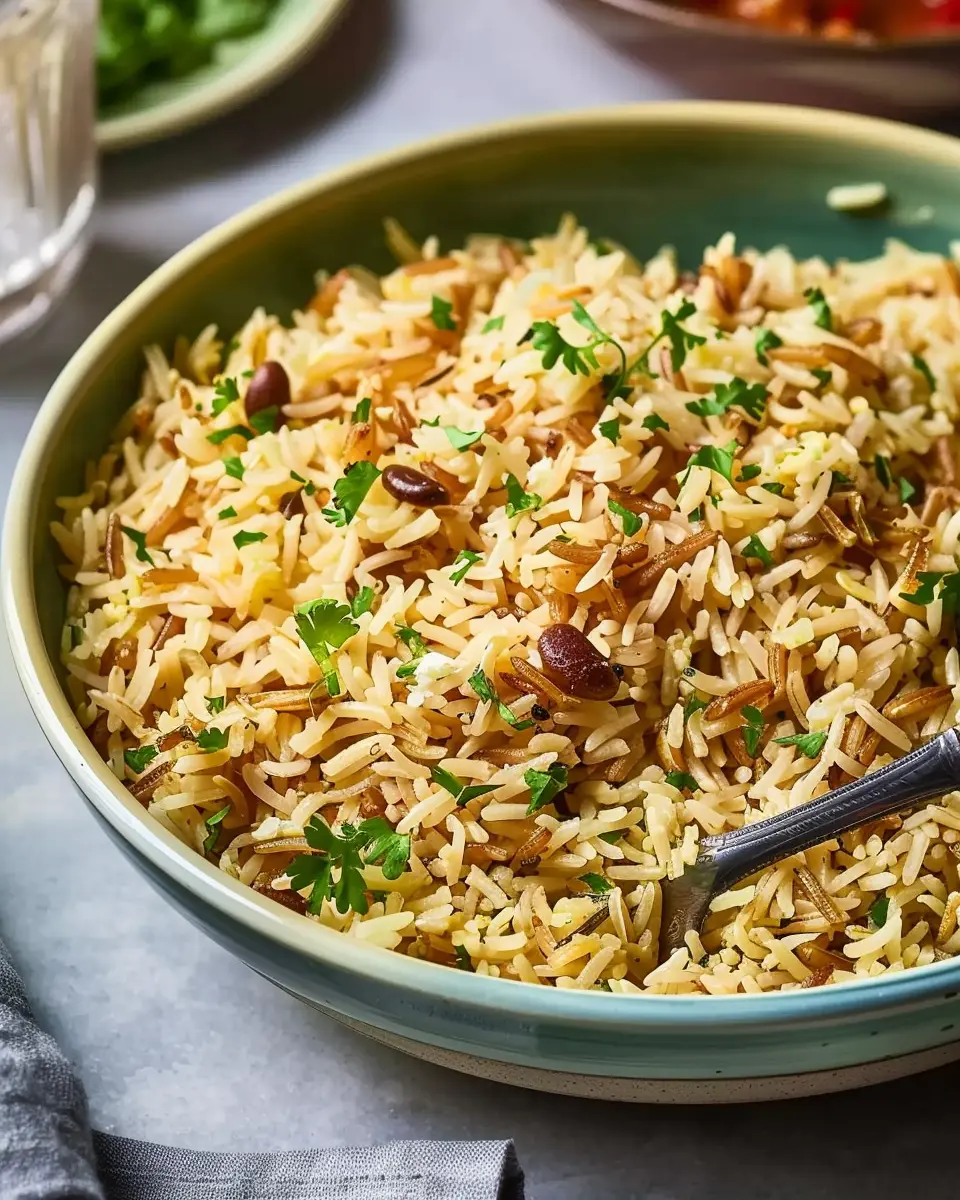
Serving Suggestions for Rice Pilaf
Pairing with Proteins
Rice pilaf is incredibly versatile and complements a variety of proteins beautifully. Whether you’re in the mood for grilled chicken, turkey bacon, or even salmon, this dish works like a charm. A simple, herb-marinated chicken breast can elevate the flavors, while savory turkey bacon adds a smoky depth. If you’re looking for something hearty, beef stir-fry is another fantastic match. Just sauté some veggies alongside your beef and serve everything on a bed of fragrant rice pilaf.
Adding Vegetables for a Complete Meal
To make your rice pilaf a wholesome, one-dish meal, consider incorporating seasonal vegetables! Think about adding sautéed spinach, zucchini, or even roasted bell peppers—you’ll not only get a rainbow on your plate but a boost of nutrients too. Mixing in some chickpeas or lentils can also add fiber and protein, turning your pilaf into a satisfying feast.
If you want more ideas, check out resources like EatingWell for healthy vegetable pairings!
Time breakdown for Rice Pilaf
Preparation time
Preparing rice pilaf is a breeze! You can expect to spend about 10 minutes chopping your vegetables and gathering the ingredients. Make sure you have everything at hand for a smooth cooking experience.
Cooking time
Once you’re ready to cook, the actual steaming of the rice takes approximately 20-25 minutes. This is when all the flavors meld beautifully.
Total time
In total, you’re looking at roughly 35-40 minutes from start to finish. Just enough time to set the table and prepare a refreshing salad or side dish!
For quick tips on preparation and serving rice dishes, check out this helpful guide on cooking rice or explore more on the benefits of incorporating whole grains into your diet. Enjoy your rice pilaf!
Nutritional facts for Rice Pilaf
Calories per serving
When it comes to indulgent yet satisfying dishes, rice pilaf is a beloved choice. A standard serving of rice pilaf typically contains around 200-250 calories. This makes it a great base for various meals or a delicious side, keeping your calorie intake in check while satisfying your cravings.
Nutritional breakdown
Looking at the nutritional aspects of rice pilaf, you’ll find it offers a well-rounded profile:
- Carbohydrates: Approximately 35-40g, providing you with energy for the day.
- Protein: Usually around 4-6g, depending on the ingredients you use (adding Turkey Bacon or Chicken Ham increases this).
- Fat: Approximately 2-4g, making it a heart-healthy option without overdoing it on fats.
- Fiber: It may contain 1-2g if made with whole grains, contributing to digestive health.
For health enthusiasts looking for more detail, you might find sources like the USDA FoodData Central helpful for tracking specific nutrients and ingredient variations. Experimenting with various spices and aromatics can enhance not just the flavor but the nutritional profile as well—consider adding veggies or nuts for an extra boost!
Whether you’re meal-prepping or hosting friends, rice pilaf can easily fit into a balanced diet and offers versatility. Plus, it’s a fantastic way to incorporate different flavors and textures into your meals. So, how do you plan to enjoy your rice pilaf?
FAQs about Rice Pilaf
Can I use brown rice instead of white?
Absolutely! Brown rice can be a fantastic alternative to white rice in your rice pilaf. It offers a nuttier flavor and is packed with more nutrients, making it a healthier option. However, keep in mind that brown rice takes longer to cook compared to white rice. You might want to adjust your cooking time and liquid ratio accordingly. Typically, you’ll want to cook brown rice for about 40-45 minutes rather than the 15-20 minutes for white rice.
How do I store leftover rice pilaf?
Storing leftover rice pilaf is simple! Allow it to cool to room temperature, then transfer it to an airtight container. It can be kept in the refrigerator for up to four days. If you want to enjoy it later, you can also freeze it. Just make sure to pack it in freezer-safe containers and use it within three months for the best quality. When you’re ready to eat, thaw in the fridge overnight and reheat in the microwave or on the stovetop, adding a splash of broth to revive its moisture.
What spices work well with rice pilaf?
The beauty of rice pilaf lies in its versatility! Common spices that elevate your pilaf include:
- Cumin: Adds a warm, earthy flavor.
- Cinnamon: Offers a hint of sweetness and warmth.
- Turmeric: Gives the dish a lovely golden hue and subtle flavor.
- Bay leaves: Imparts a rich depth of taste during cooking.
Feel free to mix and match these spices based on your palate. Experimenting with flavors is part of the fun! For more on spice pairings, you can check out websites like The Spice House.
If you have any other questions about rice pilaf, don’t hesitate to ask!
Conclusion on Rice Pilaf
Choosing to prepare rice pilaf at home not only allows you to savor a delicious and versatile dish but also encourages embracing homemade meals over the convenience of fast food. Studies show that cooking at home can be healthier, as you control the ingredients and portions. Plus, whipping up a batch of this fragrant pilaf can evoke comfort and nostalgia, making it a perfect dish to share with friends and family.
So next time you’re tempted to grab takeout, consider making this vibrant rice pilaf. It’s easy to customize with your favorite proteins, like turkey bacon or chicken ham, and seasonal vegetables. You’ll find that taking a little time in the kitchen creates rewards beyond just good food—it’s a small act that fosters creativity and care.
For more tips on meal prep and wholesome eating, check out resources from the American Heart Association and USDA.
PrintRice Pilaf Made Easy: A Flavorful Twist with Turkey Bacon
This Rice Pilaf recipe combines the rich flavors of turkey bacon with perfectly cooked rice for a delicious meal.
- Prep Time: 10 minutes
- Cook Time: 30 minutes
- Total Time: 40 minutes
- Yield: 4 servings
- Category: Side Dish
- Method: Stovetop
- Cuisine: Mediterranean
- Diet: Gluten-free
Ingredients
- 1 cup rice
- 4 slices turkey bacon
- 2 cups chicken broth
- 1 onion, chopped
- 2 cloves garlic, minced
- 1 tablespoon olive oil
- 1/2 teaspoon black pepper
- 1/2 teaspoon salt
Instructions
- In a large pot, cook the turkey bacon until crispy. Remove and set aside.
- In the same pot, add olive oil and sauté the chopped onion and minced garlic until soft.
- Add rice to the pot and stir until it’s coated with oil.
- Pour in the chicken broth and bring to a boil.
- Reduce heat, cover, and let simmer for 18-20 minutes, or until rice is cooked.
- Chop the cooked turkey bacon and stir it into the rice before serving.
Notes
- For extra flavor, consider adding herbs like thyme or parsley.
- This dish pairs well with roasted vegetables.
Nutrition
- Serving Size: 1 cup
- Calories: 250
- Sugar: 1g
- Sodium: 700mg
- Fat: 8g
- Saturated Fat: 2g
- Unsaturated Fat: 5g
- Trans Fat: 0g
- Carbohydrates: 35g
- Fiber: 2g
- Protein: 10g
- Cholesterol: 15mg