Introduction to Pasta and Vegetables
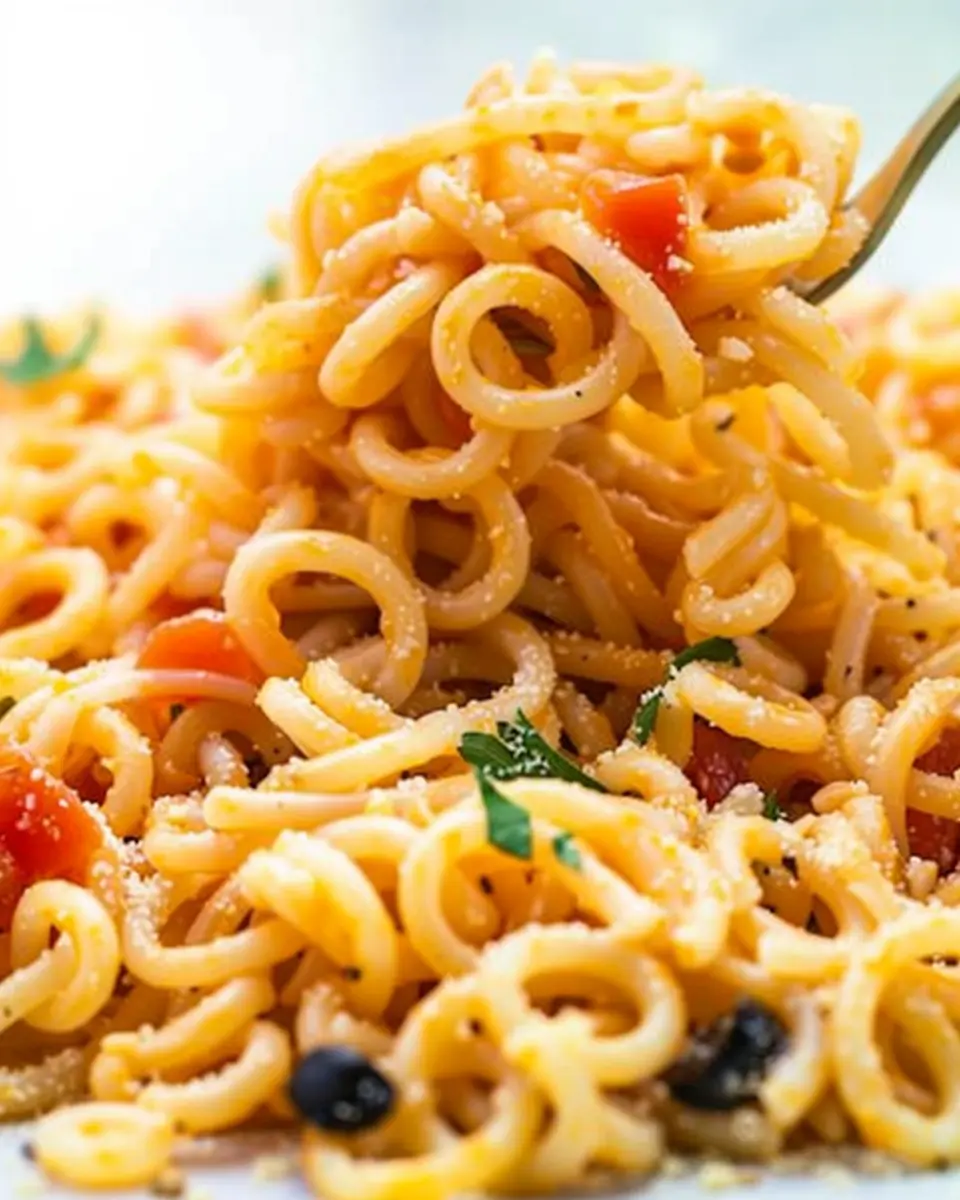
Pasta is a beloved staple in many kitchens, but when paired with an array of colorful vegetables, it transforms into a vibrant, nutritious meal that’s perfect for busy young professionals. Why opt for pasta and vegetables in your meals? For one, it’s an easy way to pack in essential vitamins and minerals while keeping your taste buds excited. Studies show that including vegetables in your diet can lower the risk of chronic diseases, making this combination not just delicious but also a smart choice for your health [source: CDC].
Nutritional Benefits
When you think of pasta, you might picture a carb-heavy dish. However, combining it with vegetables enhances its nutritional profile. Here are some benefits to consider:
- High in Fiber: Vegetables like broccoli, spinach, and bell peppers are rich in fiber, promoting better digestion and helping you feel full longer.
- Vitamins and Minerals: Each vegetable adds its unique bundle of vitamins. For instance, tomatoes are packed with antioxidants, while carrots provide Vitamin A essential for vision [source: USDA].
- Customizable: You can easily tailor your pasta and vegetables dish to suit your taste preferences or what’s in your fridge, making it a versatile option.
Quick and Easy Cooking
Let’s face it; your schedule is likely packed with work and social commitments. The beauty of a pasta and vegetable dish is its simplicity. Most recipes can be whipped up in under 30 minutes. Imagine tossing together some spaghetti with sautéed zucchini, cherry tomatoes, and a sprinkle of parmesan—comfort food that feels gourmet with minimal effort.
Elevating the Flavor Profile
While pasta and vegetables form a fantastic base, consider elevating their appeal. Adding a protein, such as turkey bacon or chicken ham, can enhance the dish while keeping it balanced. You can also experiment with herbs and spices. Fresh basil or a sprinkle of chili flakes can turn a basic meal into a flavor-packed experience that friends and family will love.
By integrating pasta and vegetables into your weekly meal plan, not only do you craft nutritious dishes, but you also create an opportunity to connect over food. So why not explore this delightful culinary adventure?
Ingredients for Pasta and Vegetables
Fresh vegetables for a colorful dish
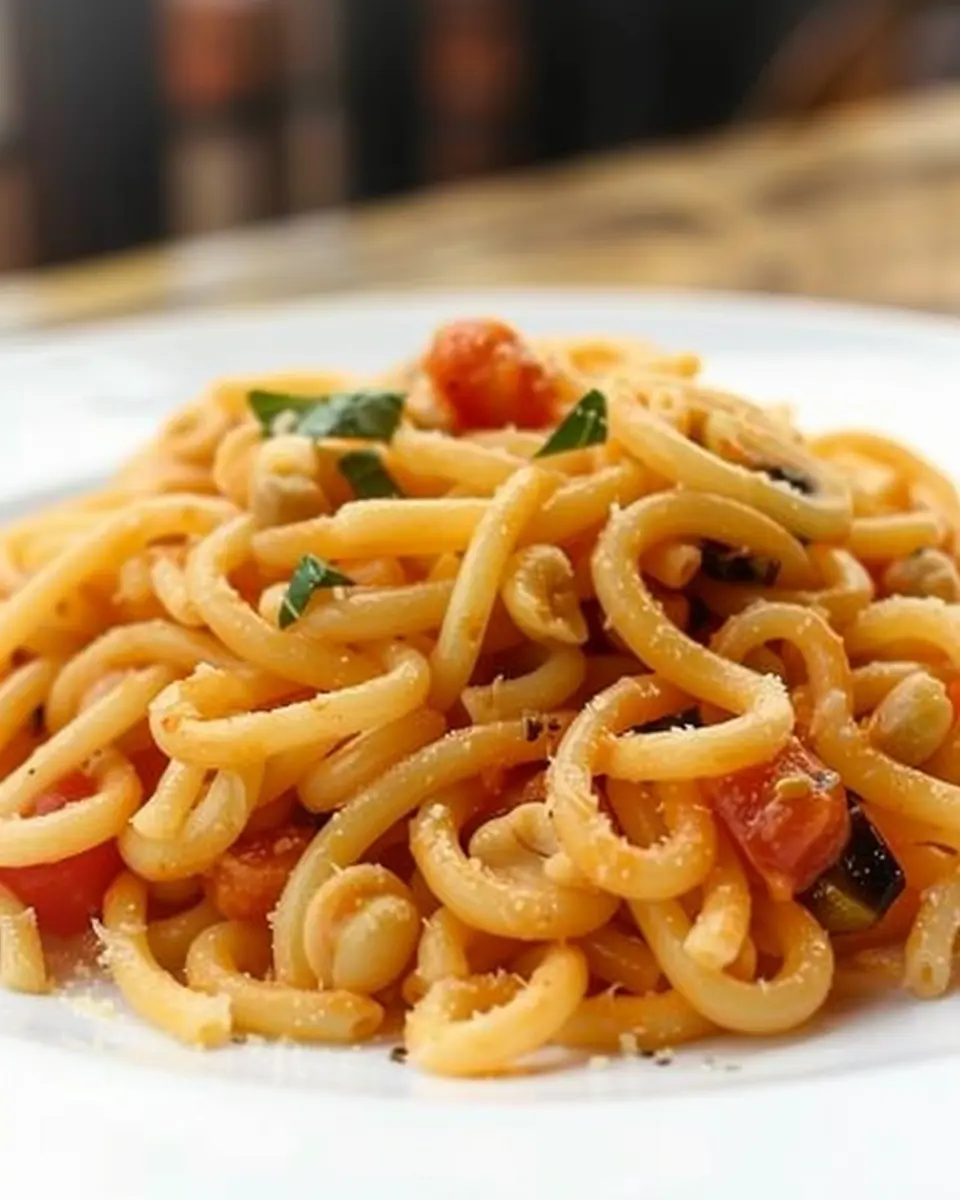
When it comes to creating a vibrant plate of pasta and vegetables, fresh produce is key. Think about incorporating a mix of:
- Bell peppers (red, yellow, green)
- Zucchini or yellow squash
- Spinach or kale for a nutritious boost
- Cherry tomatoes for sweetness
- Broccoli for a satisfying crunch
The beauty of this dish lies in its flexibility; swap in your favorite veggies or whatever you have on hand. Fresh vegetables not only brighten your meal but also pack a nutritional punch!
Essential pantry items for a quick prep
Next, let’s focus on the essential pantry items that make preparing your pasta and vegetables a breeze:
- Your choice of pasta (whole grain, gluten-free, or regular)
- Extra virgin olive oil for sautéing and flavor
- Garlic and onion for aromatic goodness
- Chicken broth or vegetable broth for depth of flavor
- Salt and pepper to taste
Having these staples ready can save you time and elevate your dish! For more insights on quick cooking staples, check out Epicurious.
With these ingredients in hand, you’ll be well on your way to whipping up a colorful and tasty meal in no time!
Step-by-Step Preparation for Pasta and Vegetables
Cooking pasta and vegetables can feel both rewarding and comforting—a dish that celebrates easy preparation and vibrant flavors. Whether you’re hosting friends or enjoying a cozy dinner at home, this step-by-step guide will help you whip up a delicious meal in no time. Let’s dive in!
Preparing Your Ingredients
Before you even think of turning on the stove, gathering and prepping your ingredients sets the stage for culinary success. Here’s a quick checklist for what you’ll need:
- Pasta: Choose your favorite type—spaghetti, penne, or fusilli all work wonders.
- Vegetables: Fresh options like bell peppers, zucchini, broccoli, or spinach add a pop of color and nutrients.
- Protein: Turkey bacon or chicken ham provides a savory layer. If you want to keep it vegetarian, consider some chickpeas or lentils instead.
- Herbs and Spices: Fresh basil, oregano, and garlic elevate the dish, while salt and pepper ensure balance.
- Sauce Ingredients: Fresh ginger, soy sauce, and a splash of vegetable broth will create a zesty base.
Take a moment to wash and chop your vegetables into bite-sized pieces, and slice your turkey bacon or chicken ham into strips. Trust me, having everything prepped beforehand makes the cooking process smoother.
Cooking the Pasta to Perfection
Now, let’s move on to that pasta!
- Fill a large pot with water—about four quarts will do the trick for a pound of pasta.
- Add a generous pinch of salt (this is where the flavor starts) and bring the water to a rolling boil.
- Once boiling, toss in your pasta and cook according to package instructions. The key is to aim for al dente, which usually means 1-2 minutes less than the suggested cooking time.
- Reserve a cup of pasta water before draining, then set the drained pasta aside. That starchy water is liquid gold if you need to adjust your sauce later!
As you’re letting the pasta cool, why not check out some cooking tips from The Kitchn? Their insights can help elevate your cooking game.
Sautéing the Vegetables for Flavor
While your pasta cooks, it’s the perfect time to bring out those vibrant vegetables. Here’s how to get the most flavor:
- Heat a generous splash of olive oil in a large skillet over medium heat.
- Toss in minced garlic first—you want to infuse the oil with flavor. Allow it to become fragrant, about 30 seconds.
- Next, add your assorted vegetables and protein. Sauté for about 5-7 minutes, or until the vegetables have softened but are still colorful and crunchy. Remember to sprinkle some salt and pepper to taste.
The best part? You can experiment with different combinations of vegetables based on what you have on hand or what’s in season. Seasonal choices often taste the best!
Combining Everything Together
Once your pasta and vegetables have both had their moment in the spotlight, it’s time to unite them:
- Add the drained pasta to the skillet with your sautéed vegetables.
- Pour in that reserved pasta water a little at a time until the desired consistency and flavor is reached.
- Stir everything together, letting the flavors meld for a minute or so on low heat.
Did you think cooking pasta and vegetables wasn’t easy? Look at you now!
Making the Ginger-Spiked Sauce
To bring everything together, we’re going to whip up a simple but zesty sauce.
- In a small bowl, combine minced fresh ginger, soy sauce, and a bit of vegetable broth. This mix will add a beautiful depth of flavor to your dish.
- Pour the sauce over the pasta-vegetable mixture in the skillet, coating everything evenly.
- Toss in some fresh herbs for a burst of aroma and a hint of freshness.
Serve your scrumptious pasta and vegetables warm, and enjoy the great balance of flavors. Don’t forget—this dish is incredibly versatile; feel free to add your favorite protein or toss in some more vegetables based on your taste! Enjoy your culinary adventure!
Variations on Pasta and Vegetables
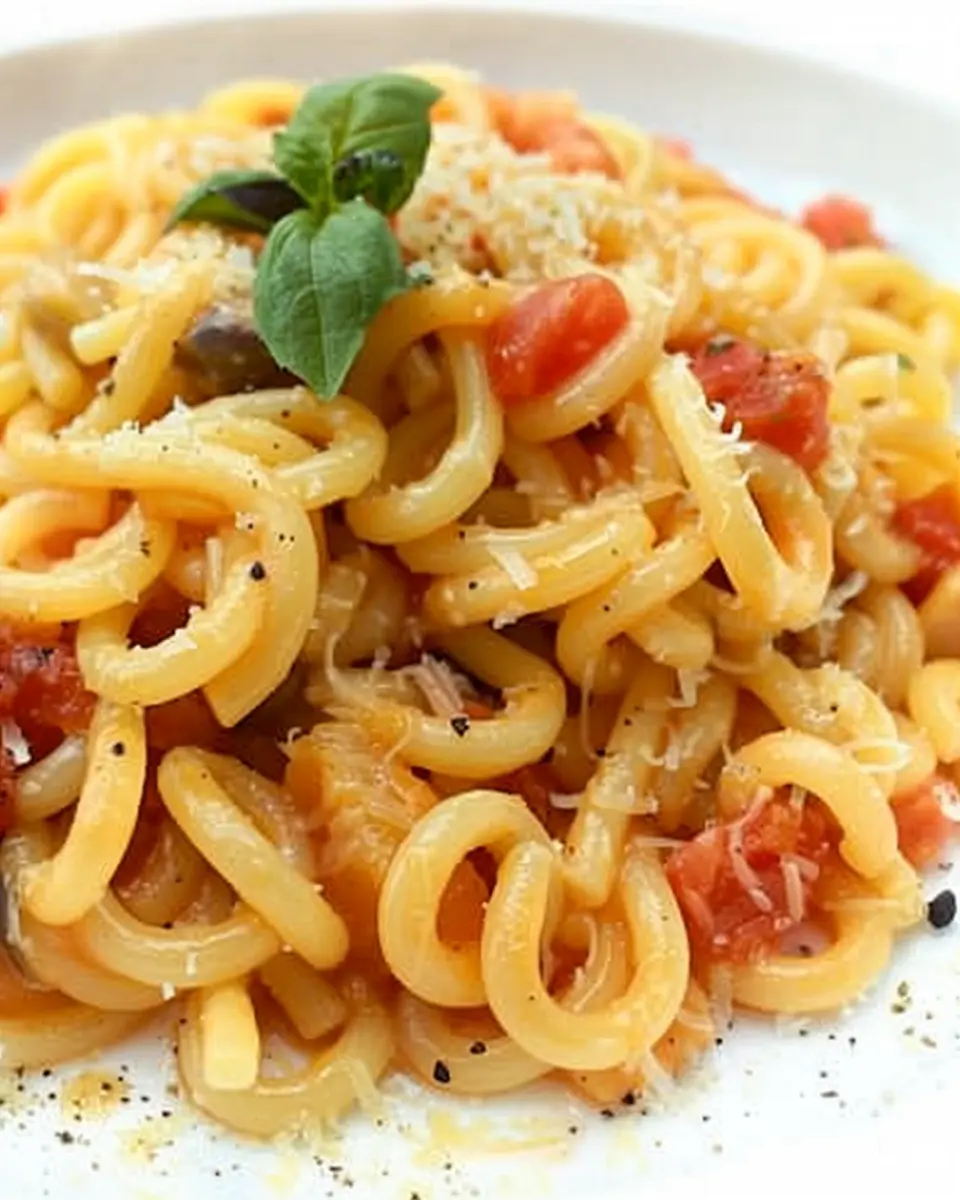
Pasta and vegetables are a versatile base for countless culinary creations. Let’s dive into some exciting variations that can elevate your standard dish to new heights!
Asian-Inspired Twists on the Classic Recipe
If you’re looking to add an exotic flair to your pasta and vegetables, think about incorporating some Asian flavors. Instead of traditional Italian seasoning, try using soy sauce, ginger, and garlic for a savory hit.
- Noodles: Swap your standard pasta for rice noodles or soba for a unique texture.
- Veggies: Toss in sliced bell peppers, snap peas, and bok choy for vibrant color and crunch.
- Sauce: A drizzle of sesame oil and a sprinkle of sesame seeds can add depth and flavor.
Feel free to explore recipes like an Asian stir-fry pasta for inspiration!
Adding Proteins Like Turkey Bacon or Chicken Ham
Enhancing your pasta and vegetables with proteins can make your dish more filling and satisfying. Two tasty options are turkey bacon and chicken ham, both of which can add smoky or savory elements.
To incorporate these proteins:
- Turkey Bacon: Cook it until crispy, then crumble over your dish for a delightful crunch.
- Chicken Ham: Dice it up and sauté it with your veggies to create an effortlessly hearty meal.
You might even find yourself wondering how you ever made pasta without these additions! With these ideas, your pasta and vegetables will not only be colorful and delicious but also a delightful twist on tradition.
For more creative ideas, consult resources like Bon Appétit or Serious Eats for innovative recipes that can inspire your next cooking adventure.
Cooking Tips and Notes for Pasta and Vegetables
How to Make it a One-Pan Meal
Transforming your pasta and vegetables dish into a one-pan wonder is easier than you think! Start by cooking your pasta directly in the same pan with your vegetables. Just ensure you add enough liquid, like vegetable broth or even just water, to cook the pasta adequately. The starchy pasta will help thicken the sauce and infuse flavor throughout, making cleanup a breeze! For a vibrant touch, toss in a handful of spinach or cherry tomatoes during the last few minutes of cooking.
Adjusting Flavors to Your Preference
Don’t be afraid to experiment with seasonings! A pinch of red pepper flakes can add a nice kick, while fresh herbs like basil or parsley brighten the dish. You can also mix in some garlic or onion powder to deepen the flavor. For those who enjoy a creamier texture, consider adding a splash of coconut milk or a dollop of Greek yogurt just before serving. Listening to your palate is key—taste and adjust as you go for the best results!
For more tips on enhancing your pasta and vegetables recipe, check out this helpful guide from Food Network.
Serving Suggestions for Pasta and Vegetables
Pairing with Side Dishes or Salads
When it comes to enhancing your meal, consider pairing your pasta and vegetables with a light side salad or crusty garlic bread. A fresh mixed greens salad dressed with olive oil and lemon balances the richness of the pasta. Alternatively, roasted or grilled vegetables can elevate the dish—think zucchini, bell peppers, or asparagus. Not only do these sides add variety, but they also introduce complementary flavors that refresh each bite.
Garnishing for Added Flavor and Presentation
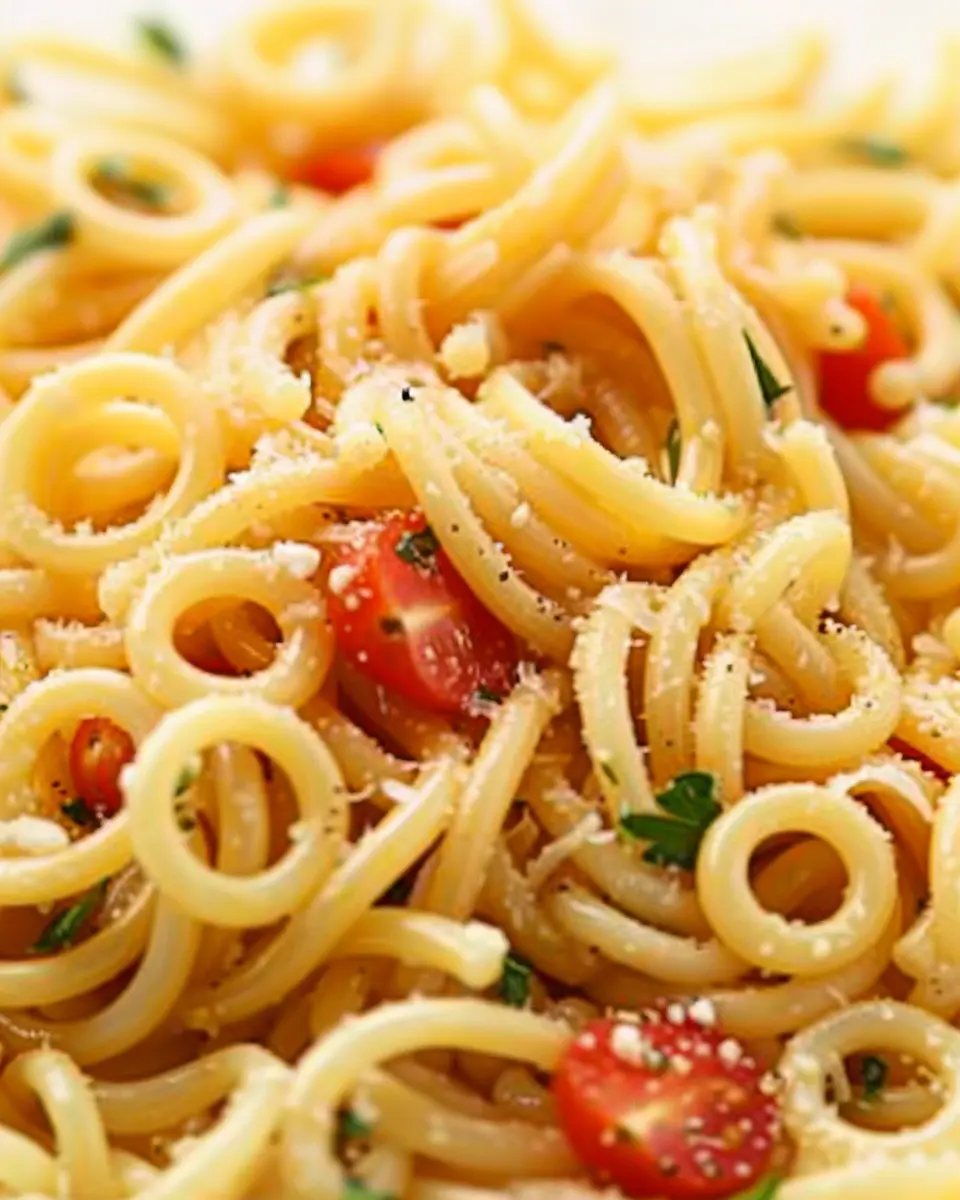
Presentation matters! Sprinkle fresh herbs like basil or parsley over your pasta and vegetables to add a pop of color and freshness. Adding a sprinkle of grated Parmesan or a drizzle of balsamic glaze can amplify the taste without overwhelming the dish. For a zestier kick, consider crushed red pepper flakes or a splash of lemon juice to brighten the flavors.
Experiment with these ideas to create your perfect plate, and let your culinary creativity shine on your dinner table!
Time Breakdown for Pasta and Vegetables
Preparation Time
Getting started is half the fun! You’ll need about 10 minutes to chop your veggies and gather your ingredients. This is the perfect time to wash and dry any fresh produce you’ll be using, and don’t forget to set the pot of water to boil for the pasta and vegetables.
Cooking Time
Once your veggies are prepped, the cooking process takes around 15-20 minutes. While the pasta cooks, you can sauté your veggies in a skillet, creating a delicious medley of flavors. Just keep an eye on everything to ensure that nothing gets overcooked!
Total Time
In total, you’re looking at around 25-30 minutes from start to finish. That’s pretty quick for a wholesome meal! Ideal for young professionals like yourself who are always on the go. Check out this article on meal prep tips to make cooking even easier!
Nutritional Facts for Pasta and Vegetables
Breakdown of calories
When enjoying pasta and vegetables, it’s essential to be aware of the calorie count. A standard serving of cooked pasta (about 2 ounces) contains approximately 200 calories. Pair that with a colorful array of vegetables like spinach, bell peppers, and zucchini, and you’re adding not only great flavors but also minimal calories. For instance, one cup of mixed vegetables contributes around 50-70 calories, making this dish a nutritious option for anyone mindful of their caloric intake.
Vitamins and nutrients from vegetables
The beauty of pasta and vegetables lies in the vitamins and nutrients these vibrant ingredients offer. Leafy greens like spinach and kale are packed with Vitamin K, while bell peppers are brimming with Vitamin C. Carrots provide a healthy dose of beta-carotene for eye health. By integrating a variety of vegetables, you’re ensuring you’re covered with:
- Fiber: Crucial for digestion.
- Antioxidants: Helps combat oxidative stress.
- Minerals: Like potassium and magnesium for overall health.
For more details on the nutritional benefits of specific vegetables, consider checking out the USDA’s FoodData Central. This can help you personalize your pasta and vegetables dish according to what nutritional benefits matter most to you.
Remember, experimenting with different veggies not only enhances flavor but boosts your health too!
FAQs about Pasta and Vegetables
Can I use other types of pasta?
Absolutely! One of the best things about a dish like pasta and vegetables is its flexibility. While traditional choices like spaghetti or penne are fantastic, feel free to experiment with whole grain, gluten-free, or even alternative options like chickpea or lentil pasta for a protein boost. Each type brings its own unique flavor and texture, so don’t hesitate to switch it up based on your dietary needs or what you have on hand.
How can I store leftovers?
Storing leftovers is a breeze! Just follow these simple steps:
- Cool Down: Allow your pasta and vegetables to cool to room temperature.
- Container: Transfer to an airtight container for optimal freshness.
- Refrigerate: Leftovers can last for 3-4 days in the fridge or up to 2 months in the freezer.
- Reheat: When ready to enjoy again, simply reheat in the microwave or a skillet, adding a splash of vegetable broth to keep it moist.
What are some recommended side dishes?
Completing your meal can be as easy as adding a delicious side. Consider pairing your pasta and vegetables with:
- Garlic Bread: A classic that never fails.
- Simple Green Salad: Fresh greens with a light vinaigrette can brighten your plate.
- Roasted Vegetables: Keep it in harmony with roasted seasonal veggies for a healthy, filling option.
By complementing your dish with these sides, you’ll not only enhance flavor but also enjoy a well-rounded meal. For inspiration and recipes, check out resources like Food Network for more ideas.
Conclusion on Pasta and Vegetables
In the world of quick meals, pasta and vegetables reign supreme. This dish not only brings together delightful textures and flavors but also offers a balanced plate, rich in nutrients. You can easily swap in your favorite veggies—think bell peppers, spinach, or zucchini—for a personalized touch.
Plus, incorporating varieties like Turkey Bacon or Chicken Ham elevates the dish without the hassle. Remember, healthy doesn’t mean boring! For a flavor boost, consider adding some herbs or a splash of citrus. For more inspirations, check out this guide on healthy eating. Pasta and veggies can be your go-to meal!
PrintPasta and Vegetables: Easy 30-Minute Turkey Bacon Delight
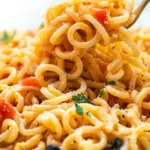
A delicious and quick meal that combines pasta and vegetables with turkey bacon, perfect for a busy weeknight.
- Prep Time: 10 minutes
- Cook Time: 20 minutes
- Total Time: 30 minutes
- Yield: 4 servings
- Category: Main Dish
- Method: Stovetop
- Cuisine: Italian
- Diet: Low Carb
Ingredients
- 8 ounces pasta
- 1 cup chopped vegetables (bell peppers, zucchini, etc.)
- 4 slices turkey bacon
- 2 tablespoons olive oil
- 1 teaspoon garlic powder
- 1/2 teaspoon black pepper
- 1/4 teaspoon salt
- 1/4 cup grated Parmesan cheese
Instructions
- Cook the pasta according to package instructions.
- While pasta is cooking, heat olive oil in a skillet over medium heat.
- Add turkey bacon and cook until crispy, then remove from pan and chop.
- Add vegetables to the skillet and sauté until tender.
- Drain pasta and add to the skillet along with garlic powder, black pepper, and salt.
- Toss everything together and sprinkle with Parmesan cheese before serving.
Notes
- For extra flavor, feel free to add herbs like basil or oregano.
Nutrition
- Serving Size: 1 serving
- Calories: 350
- Sugar: 2 grams
- Sodium: 600 milligrams
- Fat: 12 grams
- Saturated Fat: 3 grams
- Unsaturated Fat: 8 grams
- Trans Fat: 0 grams
- Carbohydrates: 42 grams
- Fiber: 3 grams
- Protein: 20 grams
- Cholesterol: 30 milligrams