Introduction to Old Fashioned Beef Stew
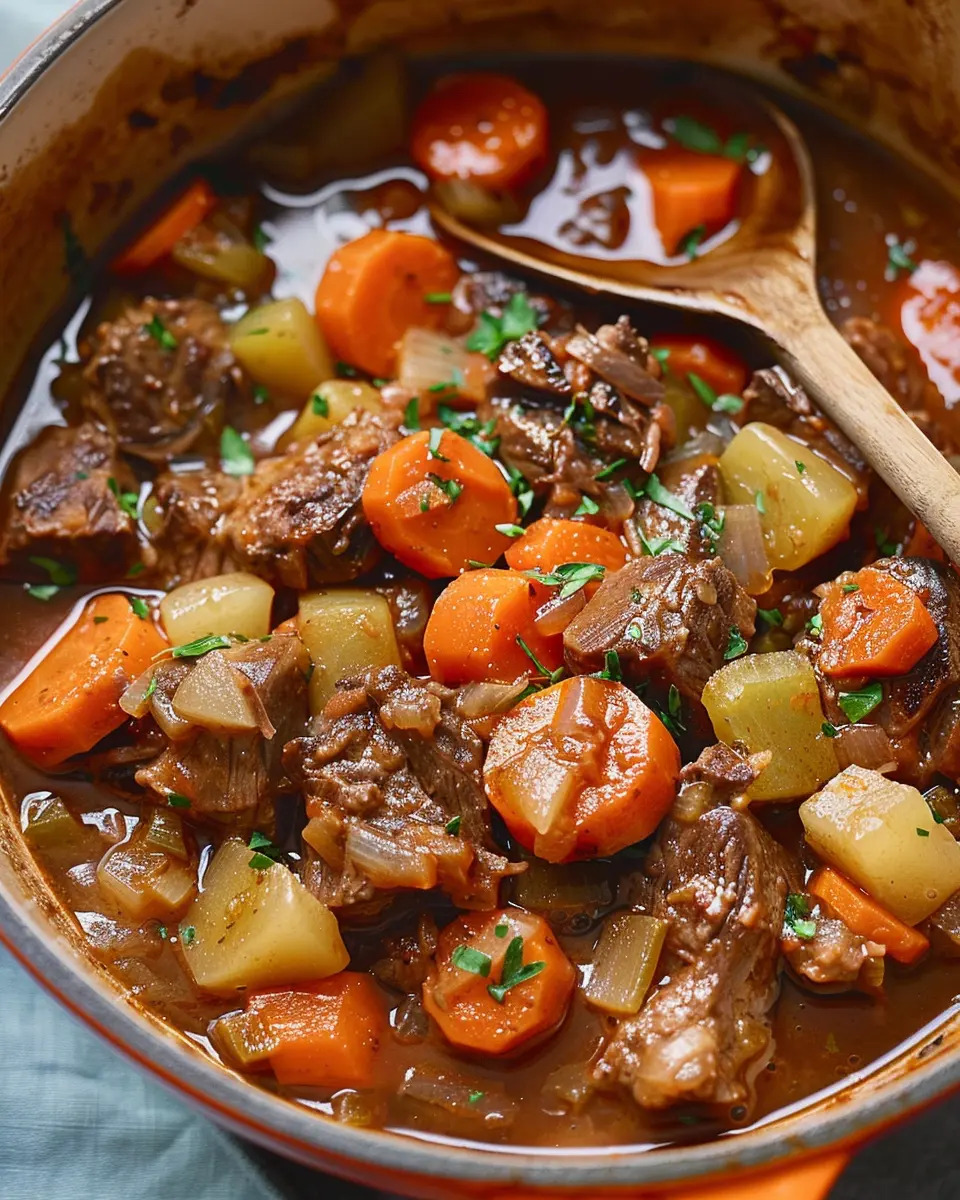
When it comes to heartwarming meals, old fashioned beef stew is the quintessential comfort food that many people cherish. This dish is not just about nourishment; it embodies warmth, tradition, and the comforting embrace of home-cooked goodness. Whether it’s a chilly evening or you’re simply in need of a little culinary therapy, there’s something undeniably satisfying about a steaming bowl of stew, filled with tender beef and a medley of vegetables.
So, what makes old fashioned beef stew a beloved staple in many households? For starters, the slow-cooked nature of the dish allows for a beautiful melding of flavors. The rich, savory taste of beef slowly mingles with aromatic vegetables like carrots and potatoes, all simmered in a flavorful broth. According to food experts, dishes that are cooked slowly often enhance both flavor and texture, which explains why old fashioned beef stew feels so good to eat.
If you’ve ever had a long day, you probably know the joy that comes from diving into a bowl of steamy stew. The smell wafting through your kitchen as it cooks is enough to evoke fond memories of family gatherings or cozy dinners with friends. Plus, with a few simple ingredients, you can craft a meal that not only satisfies your taste buds but also warms your heart.
Here’s why you should add old fashioned beef stew to your weekly rotation:
- Nutrient-rich ingredients: Packed with vitamins and minerals, the veggies provide a healthy boost.
- Easy to prepare: It requires minimal effort; just chop, toss in, and let it simmer.
- Versatile: You can customize it to your taste, adding herbs or adjusting the veg based on what you have on hand.
If you’re interested in learning more about the history of stew or its variations, look into resources from culinary traditions, including Food Timeline or Serious Eats, where they dive deep into the origins of comfort food classics.
By understanding the essence of old fashioned beef stew, you’ll not only create a great meal but also contribute to a tapestry of culinary tradition that’s meant to be shared and enjoyed.
Ingredients for Old Fashioned Beef Stew
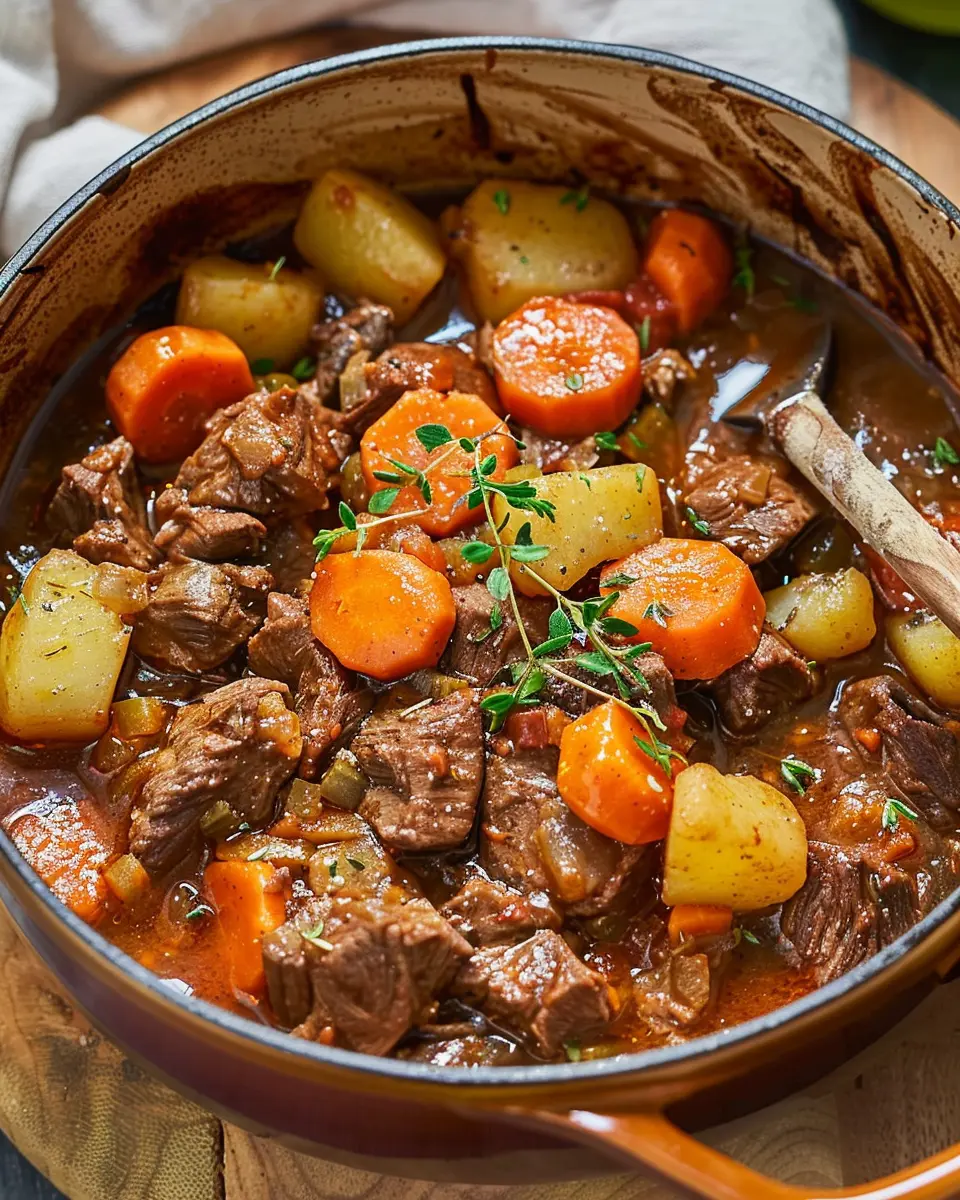
Creating the perfect old fashioned beef stew is all about using quality, hearty ingredients that meld together beautifully. Here are the essentials you’ll need:
- Beef Chuck: Look for a 2 to 3-pound cut of beef chuck, which is ideal for stewing due to its rich flavor and tenderness when slow-cooked.
- Turkey Bacon: This provides a smoky, savory element without the extra fat of traditional bacon.
- Chicken Ham: A delightful twist that adds some heartiness and depth to the stew.
- Carrots: Fresh, vibrant carrots add natural sweetness and color to the dish.
- Potatoes: Russet or Yukon Gold potatoes work beautifully, absorbing flavors and providing a comforting texture.
- Onions and Garlic: Essential aromatics that form the base of this satisfying meal.
- Beef Broth: For that rich, savory depth. You can use homemade or store-bought varieties.
- Herbs and Spices: Think bay leaves, thyme, and rosemary for that classic stew flavor.
Feel free to customize the vegetables based on what you have on hand! For more inspiration, check out How to Choose Professional Quality Ingredients for Cooking.
Preparing Old Fashioned Beef Stew
It’s a cozy evening, and nothing beats the comforting aroma of old fashioned beef stew simmering on the stove. Whether you’re winding down after a long workday or looking for a meal that can feed a crowd, this classic dish is hearty, satisfying, and surprisingly simple to prepare. Let’s dive into each step to help you create the perfect stew that warms your soul and fills your belly.
Season and Brown the Beef
The first step in crafting your old fashioned beef stew is to season your beef. Use around 2 to 3 pounds of cubed beef chuck, seasoned generously with salt, black pepper, and a sprinkle of garlic powder.
- Heat a large pot or Dutch oven over medium-high heat and add a splash of cooking oil.
- When the oil is hot, add the beef cubes in batches, so they sear rather than steam.
- Brown each side for about 3-4 minutes until beautifully caramelized, and then remove from the pot.
This browning step is essential; it develops the deep flavors that will form the foundation of your stew. As you work, consider each cube of beef as a little flavor bomb—how can you not get excited?
Deglaze the Pot
After your beef is browned and set aside, it’s time for deglazing. This process is crucial for capturing all those flavorful bits stuck to the bottom of the pot.
- In the same pot, add a splash of beef broth or even water, scraping the bottom with a wooden spoon to loosen those remnants.
- This step not only adds flavor but also prevents burning the next ingredients.
You’ll notice the pot transforming as you stir—those little bits transfer rich flavors directly into your stew. It’s like a flavor high-five!
Simmer with Broth and Bay Leaves
Next, let’s get your stew simmering with broth and bay leaves.
- Add your sautéed beef back into the pot along with 4 cups of beef broth and 2-3 bay leaves.
- Bring to a gentle boil, then reduce the heat and let it simmer for about an hour.
Why is simmering so important? This slow cooking method allows the beef to become incredibly tender. Plus, the flavors meld together beautifully, creating that classic stew taste we all love. If you want to learn more about why slow cooking is a game changer, check out the Culinary Institute of America.
Add Vegetables for Flavor and Texture
After the beef has simmered and started softening, it’s time to introduce your vegetables for added flavor and texture.
- Chop up carrots, potatoes, and celery—these classic additions not only enhance the heartiness but also add nutritional value.
- Add the vegetables to the pot, stirring to combine, and then let everything simmer together for another 30-45 minutes.
As you cook, the vegetables will absorb the flavors of the broth and the beef, so each bite is full of cozy goodness. If you can, try to use fresh, seasonal veggies for a brighter flavor!
Final Cooking and Serving
Once your stew has slowly simmered to perfection, it’s ready to be served!
- Before serving, taste and adjust the seasoning as needed—perhaps a little more salt or pepper?
- Ladle generous portions into bowls and consider garnishing with fresh herbs like parsley for a pop of color and flavor.
Gather your friends or family around the table, and watch as they dive into bowls of this old fashioned beef stew.
And the best part? It often tastes even better the next day, so be sure to hold onto those leftovers! Nothing like a comforting dish that works for multiple meals.
Now, you’ve mastered the art of making an incredible stew. Happy cooking!
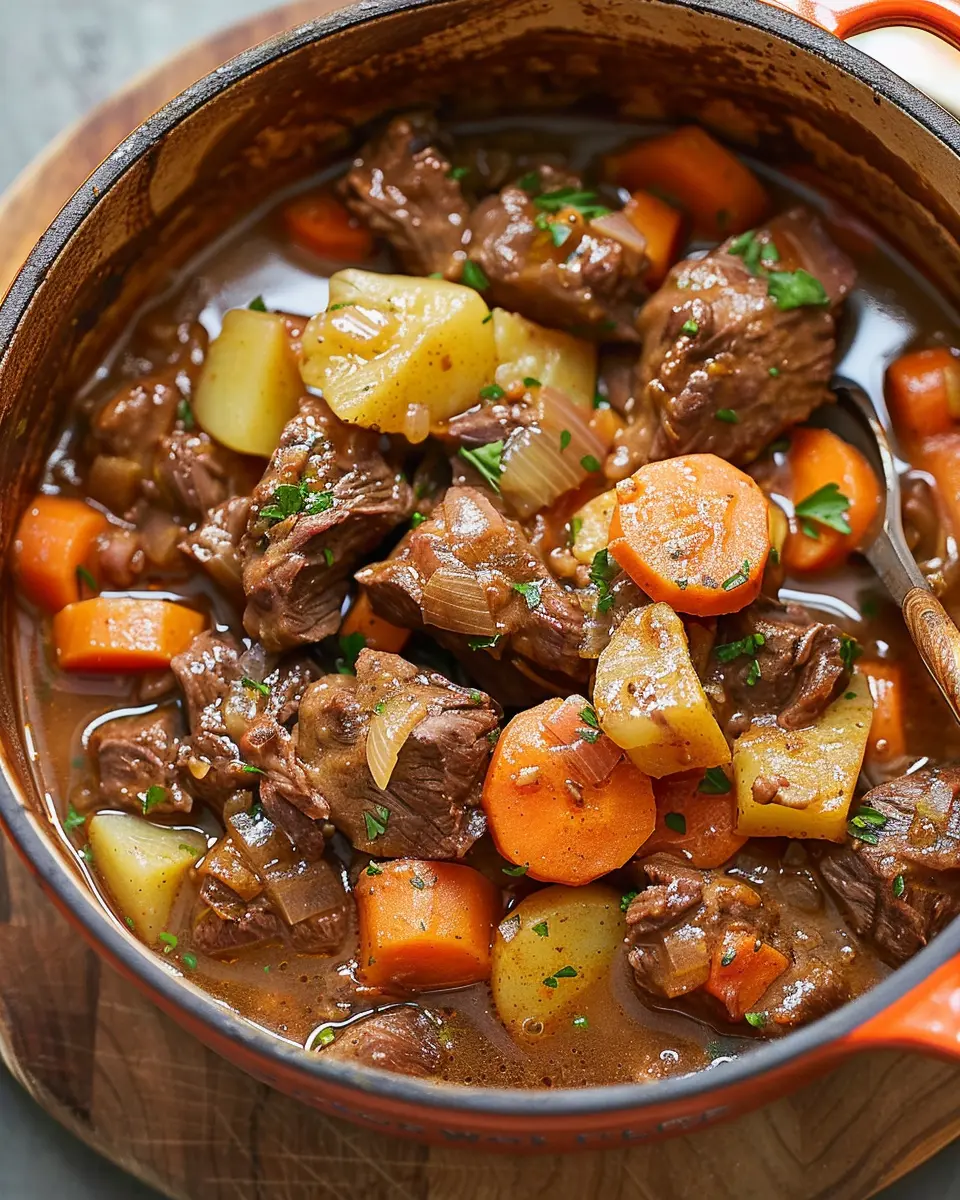
Variations on Old Fashioned Beef Stew
When you think of an old fashioned beef stew, you probably envision a warm, hearty dish that reminds you of cozy family dinners. But did you know there are countless ways to elevate this classic recipe? Let’s explore some creative variations!
Hearty Vegetable Additions
One of the best parts of an old fashioned beef stew is its flexibility with ingredients. While traditional recipes usually call for carrots and potatoes, why not switch things up? Consider adding:
- Parsnips: These sweet, earthy vegetables can add a unique flavor.
- Mushrooms: They introduce a rich, umami taste that complements beef beautifully.
- Green Beans or Peas: Bright, fresh additions that bring color and crunch.
Feel free to play around with seasonal produce. Early spring? Try adding some asparagus for a fresh twist!
International Twists on Beef Stew
You can also take the flavors of your old fashioned beef stew on a global tour! Here are a couple of ideas to spark your culinary creativity:
- Moroccan-Inspired: Incorporate spices like cumin, coriander, and a touch of cinnamon, and toss in some dried apricots or raisins for a subtle sweet contrast.
- Irish Style: Use chicken ham instead of beef, and add stout beer for a mouthwatering depth of flavor. It’s a twist that makes you feel like you’re enjoying a warm pub meal.
Don’t hesitate to experiment! Each variation can lead to a new favorite. For more on international cooking techniques, check out this article that dives deep into the art of the stew.
Let your old fashioned beef stew reflect your personal taste, and enjoy the adventure of cooking while you’re at it!
Cooking Tips and Notes for Old Fashioned Beef Stew
Making the perfect old fashioned beef stew is as much about technique as it is about the ingredients. Here are a few tips to elevate your stew-making game.
Sear the Meat
Don’t skip the searing step! Browning your beef not only adds flavor but also creates a pleasing texture. Resist the urge to overcrowd the pan; it’s best to work in batches if needed.
Use Fresh Ingredients
For a truly hearty stew, opt for fresh vegetables like carrots and potatoes. They contribute flavor, texture, and nutrition. Consider adding herbs like thyme or bay leaves for an aromatic touch. If you’re curious about the best herbs for stews, check this comprehensive guide from The Spruce Eats.
Alternate Liquids
Instead of wine, consider using low-sodium beef broth or vegetable stock to keep it rich and flavorful. You can even add a splash of tomato juice for a zesty twist.
Slow and Steady Wins the Race
Patience pays off—allow your stew to simmer gently, so the flavors meld beautifully. If time permits, letting it rest overnight makes it even tastier the next day!
With these tips, your old fashioned beef stew will become a family favorite, bursting with warmth and comfort. Happy cooking!
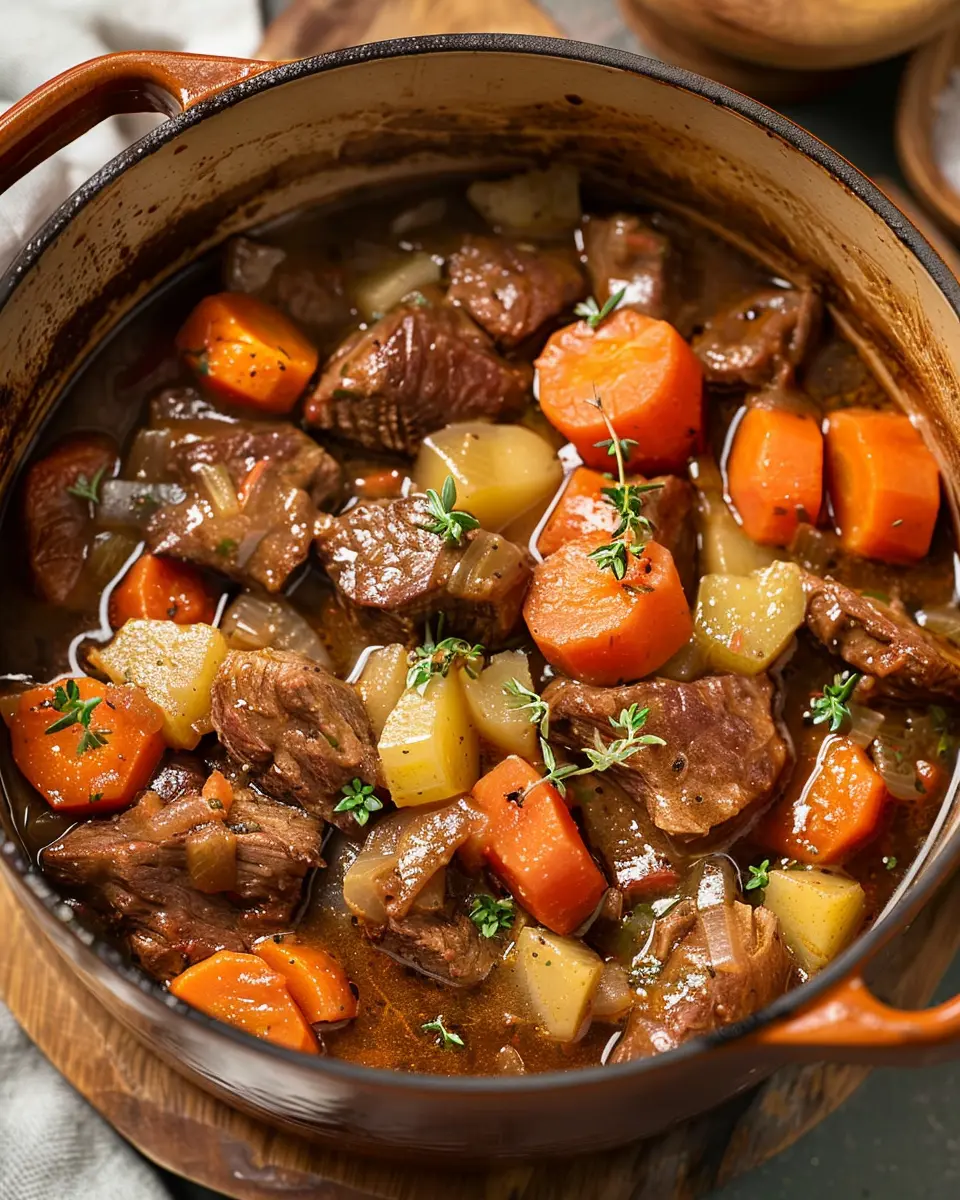
Serving Suggestions for Old Fashioned Beef Stew
When it comes to serving old fashioned beef stew, there are plenty of creative and delicious options. This hearty dish not only warms the soul but also creates a perfect opportunity to elevate your dining experience.
Perfect Pairings
- Crusty Bread: There’s nothing quite like a thick slice of buttered crusty bread for dipping into that rich, savory broth. Sourdough or a rustic baguette works wonders.
- Rice or Quinoa: For a lighter complement, consider serving your stew over a bed of fluffy rice or nutty quinoa. It adds a delightful texture and makes the meal even more filling.
- Steamed Veggies: Bright, colorful veggies like green beans or broccoli can add a fresh crunch and health boost. Plus, they look gorgeous on the plate.
Alternative Sides
Feel free to get creative! Serve with a side of mashed potatoes for that classic comfort food vibe or a zesty salad to balance the richness.
Incorporating a homemade garlic butter spread can elevate any bread choice, making it a great addition to your old fashioned beef stew experience. Explore seasonal vegetables for added nutrition, and don’t shy away from checking out this guide on healthy side dishes for inspiration.
With these suggestions, your beef stew night is sure to impress! Who would have thought a simple stew could lead to such delightful pairings?
Time Breakdown for Old Fashioned Beef Stew
Preparation Time
Making old fashioned beef stew starts with about 15-20 minutes of prep. This is when you’ll chop your vegetables—like carrots and potatoes—and cut your beef into bite-sized cubes. Getting everything ready can actually make the cooking process feel smoother.
Cooking Time
Once you have everything prepped, the real magic happens. Expect around 2 to 3 hours of simmering time. This allows all those rich flavors to meld together beautifully, elevating your stew from good to outstanding.
Total Time
In total, you’re looking at about 2 hours and 20 minutes to 3 hours and 20 minutes from start to finish. Trust me, the wait will be well worth it when you finally serve up a warm bowl of classic stew. Need a few tips on other hearty meals? Check out these amazing resources on slow cooking at Food Network or Serious Eats.
Nutritional Facts for Old Fashioned Beef Stew
When you whip up a comforting bowl of old fashioned beef stew, knowing its nutritional profile can be really helpful, especially when you’re balancing a busy lifestyle. Here’s a quick breakdown of what to expect:
Calories
A hearty serving of old fashioned beef stew typically has around 300-400 calories, depending on the ingredients and portion size. This makes it an excellent choice for a filling meal that won’t break the calorie bank!
Protein
With tender chunks of beef and wholesome vegetables, this stew packs a solid protein punch—about 25 grams per serving! Protein is vital for muscle repair and keeps you feeling full longer, which is perfect after a long day.
Sodium
Be mindful of sodium content; a serving can contain approximately 600-800 mg, influenced by any added sauces or seasonings. To reduce sodium, opt for low-sodium broth options or make your own. Check out sources like the American Heart Association for tips on managing sodium intake.
By keeping these nutritional facts in mind, you’ll enjoy your old fashioned beef stew while feeling good about your choices!
FAQs about Old Fashioned Beef Stew
Can I use other cuts of beef for stew?
Absolutely! While chuck roast is a popular choice for , old fashioned beef stew, you can certainly experiment with different cuts. Options like brisket or round steak can work well too. The key is selecting cuts with some fat and connective tissue, as they break down beautifully during cooking, resulting in tender, juicy meat. Just remember to adjust your cooking time based on how tough or tender the cut may be.
How do I make my stew thicker?
If you prefer a heartier texture for your old fashioned beef stew, consider a few easy methods to thicken it up:
- Flour or Cornstarch Slurry: Mix equal parts flour or cornstarch with cold water and stir it into the stew during the last 30 minutes of cooking.
- Mashed Potatoes: Adding a bit of mashed potatoes not only thickens the stew but also adds to the rich flavor.
- Vegetables: Puree some of the cooked vegetables from the stew and stir them back in for a natural thickening effect.
What’s the best way to store leftover beef stew?
To keep your leftover old fashioned beef stew fresh and delicious:
- Cool it Down: Allow the stew to cool for about an hour before storing it.
- Storing: Transfer it to an airtight container and refrigerate for up to 3-4 days.
- Freezing: You can also freeze stew in a freezer-safe container for up to 3 months. Just leave some space at the top since it will expand as it freezes.
For more storage tips, you might find this guide on food safety from the USDA helpful. Enjoy your cooking adventures!
Conclusion on Old Fashioned Beef Stew
As we wrap up our discussion on old fashioned beef stew, it’s clear that this dish is more than just a meal—it’s a warm hug in a bowl. With tender beef, hearty vegetables, and a rich broth, this recipe is perfect for cozy evenings and gatherings with friends.
Don’t forget, making old fashioned beef stew is an opportunity to customize. Feel free to swap in your favorite veggies or add a splash of broth for extra flavor.
Looking for similar comforting meal ideas? Check out this collection of hearty soups that pairs wonderfully with homemade bread! Enjoy every simmering moment of your stew adventure!
PrintOld Fashioned Beef Stew: Cozy Comfort with Turkey Bacon Twist
Experience the warmth of Old Fashioned Beef Stew, now with a delightful twist of turkey bacon for added flavor.
- Prep Time: 20 minutes
- Cook Time: 2 hours
- Total Time: 2 hours 20 minutes
- Yield: 6 servings
- Category: Main Course
- Method: Stovetop
- Cuisine: American
- Diet: Gluten-Free
Ingredients
- 2 pounds beef chuck, cut into 1-inch cubes
- 4 slices turkey bacon, chopped
- 4 cups beef broth
- 1 cup carrots, sliced
- 1 cup potatoes, diced
- 1 cup onion, diced
- 3 cloves garlic, minced
- 2 tablespoons tomato paste
- 1 teaspoon thyme
- 1 bay leaf
- Salt and pepper to taste
Instructions
- In a large pot, cook the turkey bacon over medium heat until crisp. Remove and set aside.
- In the same pot, add the beef and brown on all sides.
- Add the onion and garlic, sauté until translucent.
- Stir in the tomato paste, thyme, and bay leaf.
- Add the beef broth, carrots, and potatoes.
- Return the turkey bacon to the pot and season with salt and pepper.
- Bring to a boil, then reduce heat and simmer for 1.5 to 2 hours until beef is tender.
- Remove bay leaf before serving.
Notes
- For a thicker stew, you can add a slurry of cornstarch and water.
- Feel free to add your favorite vegetables.
Nutrition
- Serving Size: 1 bowl
- Calories: 400
- Sugar: 2g
- Sodium: 600mg
- Fat: 15g
- Saturated Fat: 5g
- Unsaturated Fat: 10g
- Trans Fat: 0g
- Carbohydrates: 30g
- Fiber: 4g
- Protein: 35g
- Cholesterol: 95mg