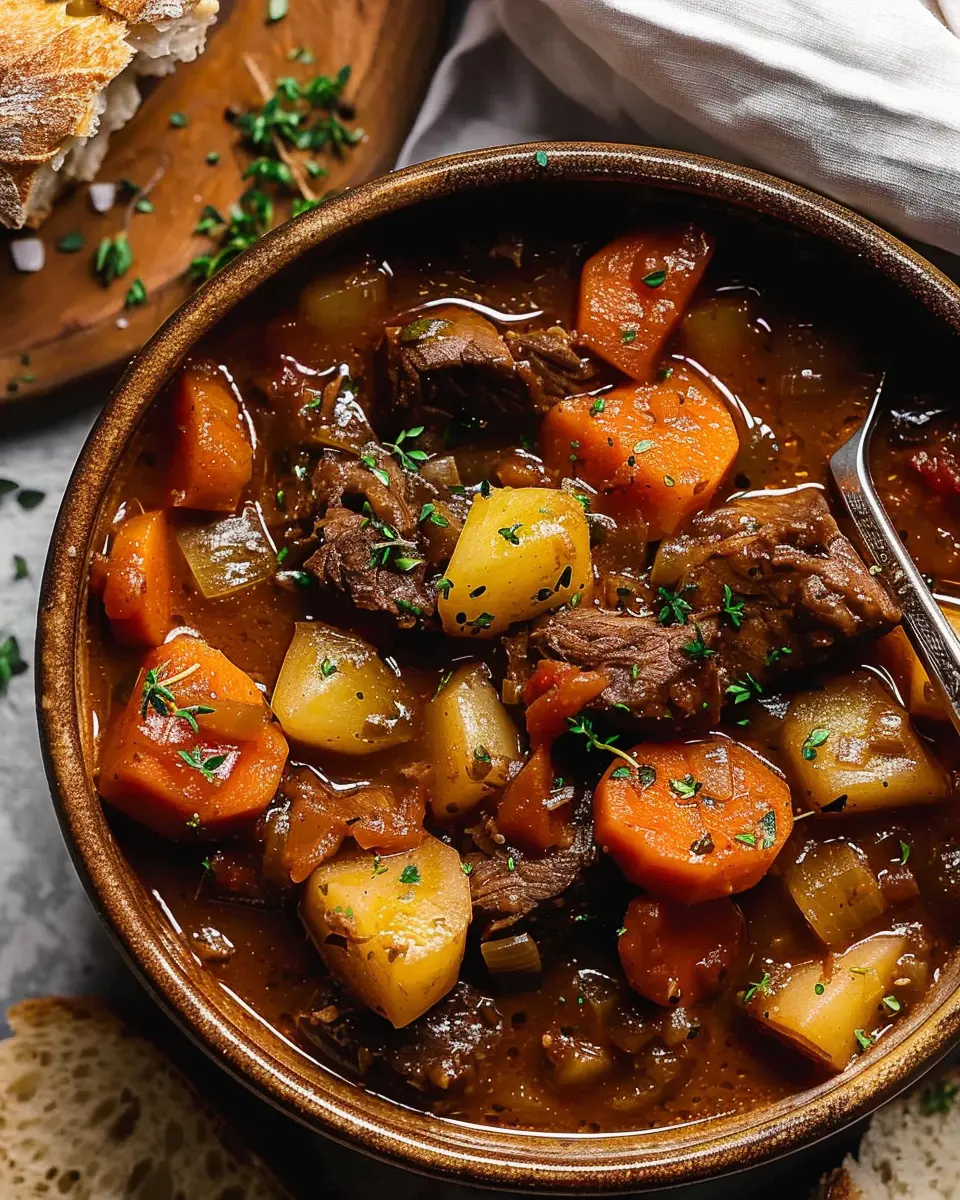
Introduction to Old Fashioned Beef Stew
When it comes to comfort food, few dishes hold the same nostalgic charm as Old Fashioned Beef Stew. This hearty creation takes us back to simpler times, reminding us of family gatherings and cozy nights by the fire. It’s that warm hug in a bowl that makes even the coldest winter nights feel a little brighter.
What Makes Old Fashioned Beef Stew a Timeless Classic?
So, what is it about Old Fashioned Beef Stew that keeps it a favorite across generations? For starters, the recipe is incredibly versatile yet rooted in tradition. While the basic components — tender beef, a medley of vegetables, and a rich broth — remain constant, every family adds its own unique twist. Maybe it’s a sprinkle of fresh herbs, or perhaps a dash of your grandmother’s secret seasoning. This adaptability means that each time you make it, you can tailor it to fit your palate or the pantry staples you have on hand.
Moreover, the cooking process itself holds a special place in many hearts. Unlike quick meals, making Old Fashioned Beef Stew is an experience. The slow simmering lets the ingredients mingle and strengthen their flavors, creating a mouthwatering aroma that fills your kitchen. According to Food Network, the magic often lies in marinating the beef beforehand or searing it until golden brown for extra depth.
Let’s not forget the nutritional benefits! This stew is packed with protein from the beef and vitamins from the assorted vegetables like carrots, potatoes, and celery. You’re not just filling your stomach; you’re nourishing your body. Plus, this dish is budget-friendly, making it perfect for young professionals balancing taste with cost.
Lastly, what makes Old Fashioned Beef Stew a timeless classic is the community it fosters. Sharing a pot of stew among friends or family creates lasting memories—a topic of conversation and connection. Whether you’re hosting a dinner party or enjoying a quiet night in, this dish brings people together like nothing else.
We invite you to gather your ingredients and embark on this culinary journey; your taste buds will thank you!
Ingredients for Old Fashioned Beef Stew
Essential ingredients for the perfect stew
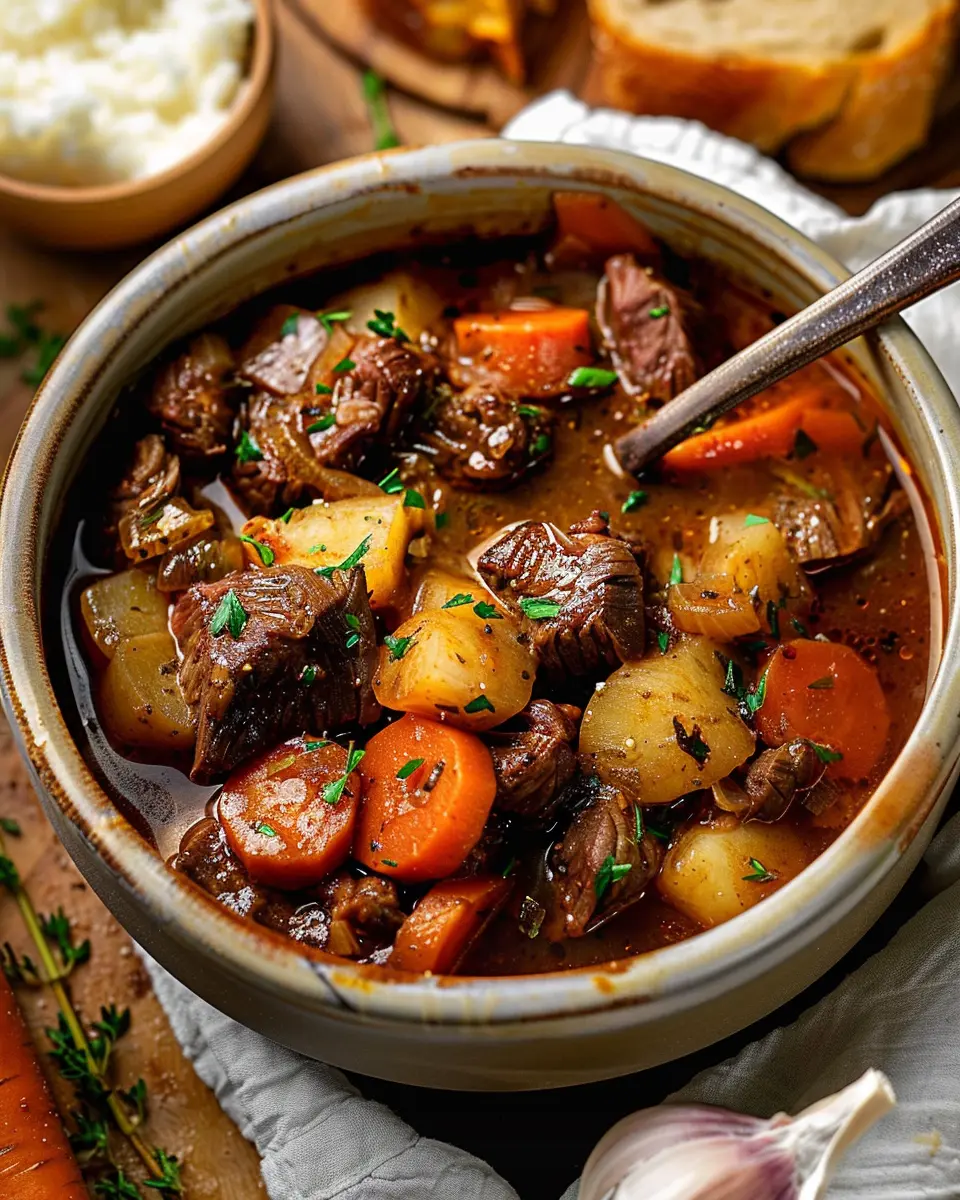
When it comes to Old Fashioned Beef Stew, quality ingredients are key to unlocking the rich, comforting flavors you’re aiming for. Here’s what you’ll need:
- Beef chuck: Opt for a well-marbled cut, as it becomes tender and flavorful during cooking.
- Turkey bacon: This adds a smoky touch without overwhelming the dish and is a healthier alternative.
- Chicken ham: For added depth and just the right amount of saltiness.
- Root vegetables: Think classic carrots, potatoes, and parsnips, which bring both texture and sweetness.
- Onions and garlic: These aromatics create the foundational layers of flavor.
- Broth: Use a hearty beef broth; homemade is ideal, but store-bought works in a pinch!
For a deep dive into stew-making and ingredient tips, consider checking out resources like Bon Appétit or Serious Eats.
Spice and herb breakdown
The right blend of spices and herbs takes your Old Fashioned Beef Stew to another level. Here’s what to include:
- Bay leaves: Adds a subtle, aromatic flavor that’s essential in stews.
- Thyme: This herb imparts an earthy depth; fresh is preferred, but dried works just as well.
- Rosemary: Just a pinch of this fragrant herb can elevate the dish beautifully.
- Paprika or pepper: A sprinkle of one of these adds warmth without spicy heat.
Gathering these ingredients isn’t just shopping; it’s preparing for a cozy evening filled with aromas and warmth. Happy stewing!
Step-by-Step Preparation of Old Fashioned Beef Stew
Creating a comforting bowl of Old Fashioned Beef Stew is like wrapping yourself in a warm blanket on a chilly evening. The process may seem extensive, but it’s remarkably rewarding, especially when that delicious aroma fills your kitchen. Follow these steps, and you’ll be on your way to a delightful dinner that stamps your culinary mastery.
Prepare your beef and seasonings
Before diving into cooking, prepping your ingredients is crucial. For this Old Fashioned Beef Stew, you’ll need about 2 to 3 pounds of beef chuck roast. Cut it into 1-inch cubes, ensuring you remove any excess fat for a leaner stew.
Now it’s time to season. Take a good pinch of salt and freshly cracked black pepper and rub it into the beef. If you want to elevate the flavors, consider adding garlic powder or dried thyme to the mix. These herbs bring that classic comfort food taste that you can’t resist.
Sear the beef to lock in flavor
Searing is a step many cooks overlook. It’s not just about browning your meat; it’s about enhancing the overall flavor of your stew. Heat a tablespoon of olive oil in a heavy-bottomed pot or Dutch oven over medium-high heat.
- Add the seasoned beef in batches (to avoid overcrowding) and let it sear for about 3-4 minutes on each side until it develops a beautiful golden crust.
- Once all the pieces are browned, set them aside on a plate. This process brings out the umami richness that is fundamental to a great stew.
Adding the aromatic base
Now that your beef is nestled away, let’s focus on the base. In the same pot, add a chopped onion, a few cloves of minced garlic, and a couple of carrots cut into rounds. Sauté these ingredients for about 5 minutes until they soften and the onion turns translucent.
This step is crucial; it infuses your stew with an enchanting aroma. You could even throw in some chopped celery or a sprinkle of Turmeric for that gorgeous golden hue and health benefits. The more aromatic ingredients you use, the richer your stew will taste.
Combine broth and vegetables
Once your aromatics are beautifully sautéed, it’s time to bring everything together. Return the seared beef to the pot, and pour in about 4 cups of low-sodium beef broth. This ensures you have a rich flavor without compromising on salt.
Then, add your vegetables—think hearty potatoes, mushrooms, and green beans. These components add both nutrition and texture, making your Old Fashioned Beef Stew a balanced meal.
Let it simmer to tenderness
Bring the mixture to a gentle boil, then reduce the heat to low. Cover the pot and allow it to simmer for about 1.5 to 2 hours. This slow cooking method allows the beef to become incredibly tender while letting those flavors meld beautifully.
Make yourself a cup of tea and take a moment to unwind. There’s something magical about the way a simmering stew transforms a kitchen into a sanctuary.
Thicken and taste
As your stew approaches the final stages, it might be slightly soupy for your taste. To thicken it, you can mix a few tablespoons of flour or cornstarch with cold water to create a slurry. Stir this slowly into the stew until your desired consistency is achieved.
Before serving, don’t forget to taste! Adjust the seasoning with a little salt, pepper, or even a splash of vinegar to brighten the flavors. Your Old Fashioned Beef Stew should sing with savoriness at this point, making it impossible to resist.
Now you’re ready to serve your hearty dish. Pair it with some rustic bread or over a bed of creamy mashed potatoes. This classic meal is not just for cold evenings—it’s a dish meant to share and love all year round! Enjoy your hearty creation!
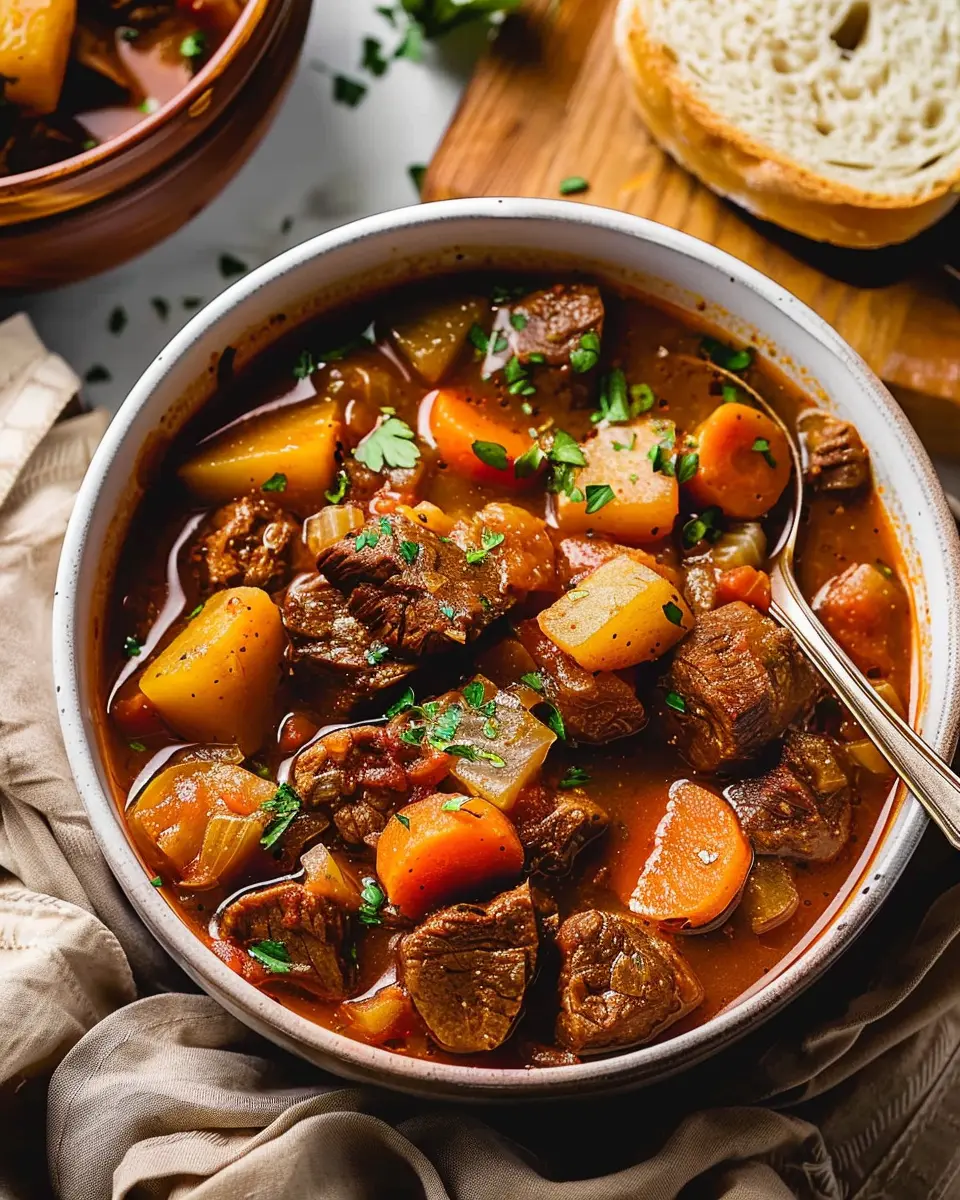
Variations on Old Fashioned Beef Stew
Old Fashioned Beef Stew is a timeless dish, but that doesn’t mean it can’t be jazzed up! Let’s explore some delightful variations that will delight your taste buds and keep the recipe exciting.
Classic Vegetable Additions
While carrots and potatoes are traditional, you can elevate your Old Fashioned Beef Stew by adding an array of vegetables:
- Mushrooms: Provide an earthy flavor and a satisfying texture.
- Parsnips: Add a bit of sweetness and a lovely creaminess when cooked.
- Green Beans: Introduce freshness and a bright green pop.
- Celery: For that classic flavor depth and crunch.
These simple additions not only enhance the flavor but also contribute more nutrients, making your stew a wholesome meal.
Exploring International Flavors
Feeling adventurous? Why not infuse global flair into your Old Fashioned Beef Stew? Consider these ideas:
- Irish Stew: Use lamb instead of beef and add Guinness-style broth with root vegetables for a rich, savory experience.
- Hungarian Goulash: Incorporate paprika and bell peppers for a vibrant twist.
- Moroccan Stew: Add spices like cumin and cinnamon, along with dried fruits such as apricots for a sweet-savory blend.
These variations can satisfy your culinary curiosity while keeping comfort at the heart of the dish.
Going Lean: Alternative Meats for Stew
If you’re looking for a healthier option, consider alternative meats for your stew:
- Turkey: Opt for turkey or turkey bacon, offering a leaner meat option.
- Chicken: Using chicken ham can give you a lighter flavor, while still being hearty and satisfying.
- Beef alternatives: Lean cuts of beef can maintain the classic flavors while reducing calorie content.
Using alternative meats can make your Old Fashioned Beef Stew a little lighter on the waistline but still rich in flavor.
Experimenting with these variations can turn a well-loved classic into a dish that’s new and exciting, perfect for gathering friends or family around the table.
Cooking Tips and Notes for Old Fashioned Beef Stew
Achieving the Perfect Sear
When making Old Fashioned Beef Stew, the first step is achieving a golden-brown sear on your beef. This not only locks in flavors but also adds richness to your stew. To get that perfect sear:
- Start with a hot pan: Preheat your skillet for a few minutes before adding the beef.
- Don’t overcrowd: Cook the beef in batches, allowing space for steam to escape.
- Pat your beef dry: Removing excess moisture helps achieve that beautiful crust.
Tips for Using a Slow Cooker
If you’re tight on time but still crave that hearty Old Fashioned Beef Stew, a slow cooker can be your best friend. Here’s how to optimize this method:
- Brown the meat first: Just like with the stovetop method, searing the beef enhances flavors.
- Layer ingredients: Place vegetables on the bottom, followed by the meat, and then add broth. This prevents mushy veggies!
- Cook low and slow: Aim for 8-10 hours on low for tender meat and deep flavors.
For more slow-cooking tips and techniques, check out resources from culinary experts like The Kitchn or Serious Eats. These tips will elevate your stew, making it a comforting staple in your kitchen!
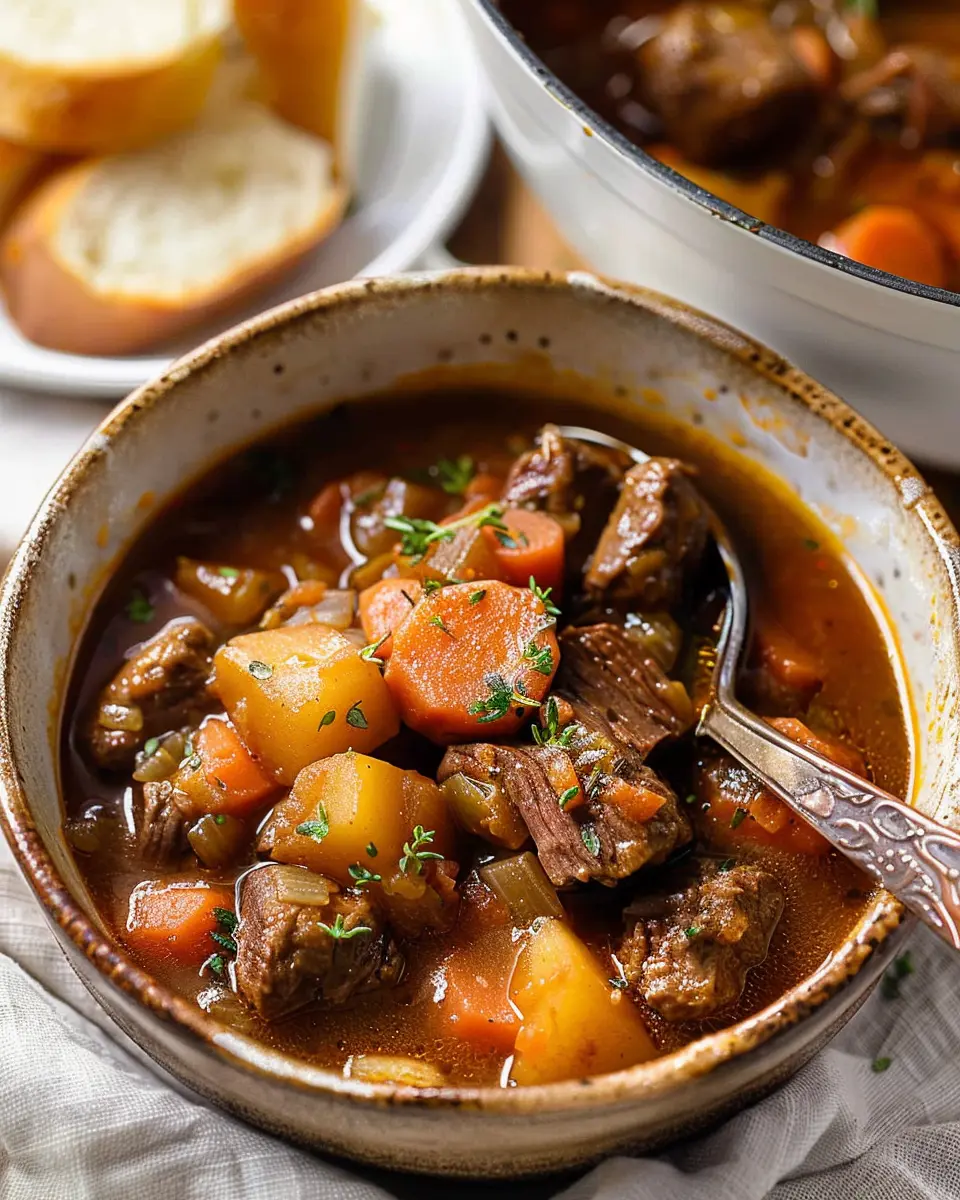
Serving Suggestions for Old Fashioned Beef Stew
Perfect pairings with bread and sides
When it comes to serving Old Fashioned Beef Stew, the right accompaniments can elevate your meal experience. Consider fresh, crusty bread to soak up that rich, savory broth. A rustic sourdough or a soft, buttery roll works wonders here. For a side, why not whip up a simple green salad with a light vinaigrette? The freshness can cut through the stew’s richness nicely. If you crave something heartier, creamy mashed potatoes or buttery corn on the cob are perfect choices as they complement the beef stew without overpowering it.
Ideas for a complete meal
To craft a satisfying, complete meal around your Old Fashioned Beef Stew, think about balancing flavors and textures. Start with an appetizer, like roasted vegetable soup or a hearty bean salad, which can serve as a delightful prelude. For dessert, a simple fruit crisp—perhaps apple or peach—can provide a sweet ending to your meal. If you’re hosting guests, consider serving a sparkling apple cider or a refreshing herbal iced tea to round out the dining experience.
Feeling inspired? You can explore more flavor options for your sides or learn about the health benefits of fresh ingredients on sites like Healthline or Verywell Fit.
With these suggestions, your Old Fashioned Beef Stew dinner will be a hit!
Time Breakdown for Old Fashioned Beef Stew
Preparation Time
Making Old Fashioned Beef Stew doesn’t take too long to get started. You’ll need about 20-30 minutes to chop the vegetables, sear the beef, and gather your ingredients. This is your chance to get everything prepped and ready to go, turning the kitchen into a cozy cooking space.
Cooking Time
Once everything is prepped, the cooking time will take about 2 to 3 hours. This slow simmer allows all the flavors to meld beautifully together, creating a rich and hearty stew. If you’re short on time, you can use a pressure cooker to cut the cooking time down significantly.
Total Time
In total, you’re looking at around 2.5 to 3.5 hours from start to finish. Of course, the best part is, most of that time is hands-off, letting you enjoy the delicious smells wafting through your home. Perfect for a weekend cooking project or a cozy evening meal. If you’re keen on exploring, check out resources like The Kitchn for tips on perfecting your stew-making techniques!
Nutritional Facts for Old Fashioned Beef Stew
When you ladle up a warm bowl of Old Fashioned Beef Stew, you’re not just indulging in comfort food—you’re also enjoying a nutritious meal packed with benefits.
Calories and Protein Breakdown
A hearty serving of Old Fashioned Beef Stew typically contains around 350-450 calories, depending on portion size and additional ingredients. It’s rich in protein, offering approximately 30 grams per serving, thanks to the tender beef and the nutrient-dense vegetables like carrots and potatoes.
Key Vitamins and Minerals
This stew isn’t just flavorful; it’s a powerhouse of vitamins and minerals. You’ll find a solid source of:
- Iron: Essential for oxygen transport in your body, coming primarily from the beef.
- Vitamin A: Abundant in carrots, it supports your immune function and vision.
- Potassium: Found in potatoes, which aids in maintaining healthy blood pressure levels.
To ensure you’re getting the most out of your stew, consider incorporating a side salad for an extra boost of fiber and vitamins. If you’re curious about the health benefits of these nutrients, check out trusted sources like the Mayo Clinic or Harvard Health Publishing.
So, next time you’re prepping your Old Fashioned Beef Stew, remember, it’s not just a delightful dish; it’s a meal that nourishes your body too!
FAQs about Old Fashioned Beef Stew
Can I make this stew in advance?
Absolutely! In fact, making your Old Fashioned Beef Stew in advance can enhance its flavors. Letting it rest overnight allows the seasonings to meld beautifully, making each bite even more delectable. Prepare the stew, let it cool completely, and then store it in an airtight container in your fridge for up to three days. If you’re planning for the long haul, it freezes quite well, too—up to three months in the freezer. Just thaw it overnight in the fridge and reheat gently before serving.
What’s the best way to store leftovers?
To ensure your Old Fashioned Beef Stew remains fresh and tasty, storing it correctly is key. Divide leftovers into smaller portions in sealed containers; this not only saves you space but also makes it easy to grab a quick meal later on. To maintain that delicious flavor, refrigerate leftovers for up to three days. For longer storage, consider freezing it (details on freezing above).
If you’re curious about proper food storage, check out resources from the USDA for tips.
How can I make my stew even more flavorful?
Elevating the flavor of your Old Fashioned Beef Stew can be a fun culinary experiment! Here are a few tips to try:
- Use high-quality beef: Opt for chuck roast; its marbling gives you great flavor and tender pieces.
- Brown your meat well: This step brings out rich umami flavors, so don’t skip it!
- Add herbs and spices: Experiment with thyme, bay leaves, or even a dash of smoked paprika for another layer of complexity.
- Consider adding some veg: Try adding mushrooms or even a splash of balsamic vinegar for acidity.
The exploration of flavors is part of the joy of cooking—what’s your favorite twist you’ve added to a stew?
Conclusion on Old Fashioned Beef Stew
As we wrap up our journey through the delightful world of Old Fashioned Beef Stew, it’s clear that this dish is more than just a meal; it’s a comforting hug in a bowl. The rich flavors of tender beef, hearty vegetables, and aromatic herbs bring warmth and joy, making every bite a nostalgic experience.
Nothing beats the satisfaction of knowing that you’ve prepared a wholesome dish yourself. Whether it’s a chilly evening or a busy weeknight, this stew is a dependable choice that transforms simple ingredients into a hearty feast. So go ahead, gather your loved ones around the table and relish the memories created over a steaming pot of Old Fashioned Beef Stew. For more cooking tips and inspiration, don’t forget to check out resources from The Kitchn and Serious Eats.
PrintOld Fashioned Beef Stew: A Heartwarming Recipe to Savor

A classic and comforting beef stew recipe that warms the soul.
- Prep Time: 20 minutes
- Cook Time: 2 hours
- Total Time: 2 hours 20 minutes
- Yield: 6 servings
- Category: Main Dish
- Method: Stovetop
- Cuisine: American
- Diet: None
Ingredients
- 2 pounds beef chuck, cut into 1-inch pieces
- 1 tablespoon vegetable oil
- 4 cups beef broth
- 3 medium carrots, sliced
- 2 potatoes, peeled and diced
- 1 onion, chopped
- 2 cloves garlic, minced
- 1 teaspoon dried thyme
- 1 bay leaf
- Salt to taste
- Pepper to taste
Instructions
- In a large pot, heat the vegetable oil over medium-high heat.
- Add the beef and brown on all sides.
- Add the onions and garlic, sauté for 2-3 minutes.
- Pour in the beef broth and add carrots, potatoes, thyme, bay leaf, salt, and pepper.
- Bring to a boil, then reduce heat and simmer for 1.5 to 2 hours until beef is tender.
- Remove bay leaf before serving.
Notes
- For added flavor, you can add a splash of red wine to the stew.
- Feel free to toss in other vegetables like peas or corn.
Nutrition
- Serving Size: 1 bowl
- Calories: 450
- Sugar: 4g
- Sodium: 900mg
- Fat: 20g
- Saturated Fat: 8g
- Unsaturated Fat: 10g
- Trans Fat: 0g
- Carbohydrates: 40g
- Fiber: 4g
- Protein: 40g
- Cholesterol: 100mg