Introduction to Rice Pilaf
If you’re a young professional juggling a busy work-life balance, you may find yourself turning to quick and easy meals. Enter rice pilaf! This delightful dish is not only simple to prepare but also versatile enough to complement any protein or vegetable you have on hand. In fact, the culinary world regards rice pilaf as a game changer for busy home cooks, and here’s why.
Why Rice Pilaf is a Game Changer for Young Professionals
Imagine coming home after a long day, cravings for a comforting meal swirling in your mind, but feeling too tired to cook? Rice pilaf is here to rescue you. This dish is a fantastic solution because:
-
Quick to Prepare: With just a few ingredients and about 30 minutes of your time, you can have a delicious meal ready. It’s especially handy for those nights when cooking feels more like a chore than a pleasure.
-
Meal Prep Friendly: Rice pilaf stores well in the fridge and can easily be reheated. This means you can prepare a big batch on Sunday and enjoy it throughout the week. It’s perfect for lunch boxes or quick dinners after long workdays.
-
Limitless Variations: Do you have leftover chicken ham or turkey bacon in the fridge? Toss it in! Feel like going vegetarian? Load it up with your favorite veggies. The adaptability of rice pilaf allows you to personalize the dish based on your preferences or what you have on hand.
Did you know that according to Cooking Light, rice pilaf traces its roots back thousands of years? Its enduring popularity speaks to its rich flavor and hearty texture.
Imagine sitting down to a warm bowl of pilaf, infused with spices, herbs, and perhaps some added nuts or dried fruits for a delightful texture and flavor boost. Not only does this meal satisfy, but it also fuels your body with the necessary nutrients to take on the world.
Once you’ve mastered rice pilaf, you’ll wonder how you ever lived without it. So let’s dive into how to make this lovely meal come to life in your kitchen!
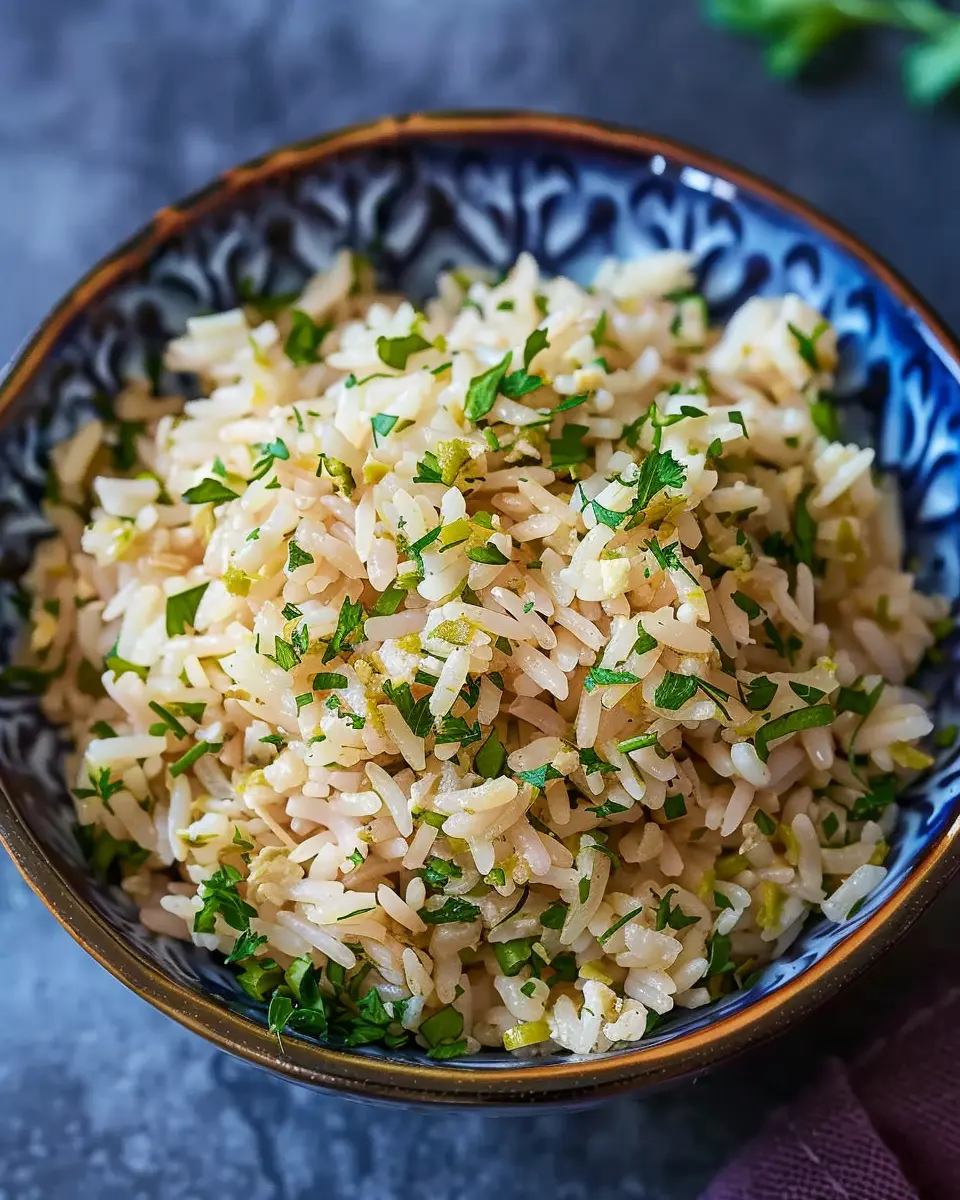
Ingredients for Rice Pilaf
Essential ingredients for the perfect rice pilaf
To create a delectable rice pilaf, start with these essential ingredients:
- Long-grain rice: Varieties like basmati or jasmine work beautifully because of their light, fluffy texture.
- Broth: Use chicken or vegetable broth for a deeper flavor profile.
- Onions: Sautéed onions add a sweet, aromatic base.
- Olive oil or butter: A healthy fat helps to toast the rice for a richer taste.
- Garlic: Minced garlic elevates the overall flavor, giving it that home-cooked charm.
By choosing quality ingredients, you’re already setting yourself up for success.
Optional ingredients to enhance flavor and texture
Want to take your rice pilaf to the next level? Consider incorporating these optional ingredients:
- Turkey bacon or chicken ham: Adds a savory punch and some protein.
- Nuts and dried fruits: Almonds, pine nuts, or raisins can introduce delightful textures and sweetness.
- Herbs: Fresh parsley or dill elegant touches that brighten the dish.
- Spices: A dash of cumin or coriander can provide a warm, aromatic twist.
Feel free to experiment with these options and personalize your dish to match your taste! Learn more about rice here.
Preparing Rice Pilaf
Creating a delicious Rice Pilaf is a rewarding experience that brings the comforting aromas and flavors of a well-prepared dish right to your home. Whether you’re planning a weeknight dinner or an elegant gathering, Rice Pilaf is versatile and deeply satisfying. Let’s break the process down into simple steps to make it easy and enjoyable.
Gather Your Ingredients
Before diving into the cooking process, it’s crucial to gather all your ingredients. Here’s what you’ll typically need for a basic Rice Pilaf:
- Rice: 1 cup of long-grain rice (like basmati or jasmine)
- Stock: 2 cups of chicken or vegetable stock
- Vegetables: 1 small onion, diced; 1 carrot, diced; and 1 celery stalk, diced
- Aromatics: 2 cloves of garlic, minced; and optionally, some fresh herbs like parsley or thyme
- Fats: 2 tablespoons of olive oil or butter for sautéing
- Additional Ingredients: Turkey bacon or chicken ham for a meatier texture (if desired).
With these ingredients at hand, you’re set for success!
Preheat and Prepare Your Stock
The next step in making Rice Pilaf is to prepare your stock. The flavor of your stock will significantly impact the final dish, so make sure to choose a high-quality option. If you’re feeling adventurous, making your own stock can add an extra layer of flavor and depth.
To get started, pour your chicken or vegetable stock into a pot, and gently heat it on the stove until it’s simmering. Keeping the stock warm throughout the cooking process will ensure that the rice cooks evenly and absorbs all those wonderful flavors.
Brown the Rice and Sauté the Veggies
Now for one of the most enjoyable parts of the preparation: sautéing! In a separate pan, heat your olive oil or butter over medium heat. Once hot, add your diced onion, carrot, and celery. Sauté them for about 3–5 minutes, or until the vegetables become tender and aromatic.
Next, it’s time to add the rice. This is where you’ll toast the rice slightly, which is essential for achieving that nutty flavor that defines a great Rice Pilaf. Stir the rice into the cooked veggies and let it toast for about 2–3 minutes, stirring occasionally. The rice should appear slightly translucent.
Mix in Seasonings for Added Flavor
While your rice is toasting, this is the perfect time to mix in some seasonings. Consider adding:
- Salt and pepper to taste
- A pinch of cayenne pepper for a subtle kick (or your favorite spice blend)
- Fresh herbs like thyme or parsley for an aromatic touch
This is where your Rice Pilaf begins to take on its signature flavor profile, so don’t hold back on your favorite seasonings!
Combine Stock and Rice, Then Cook
After you’ve mixed in the seasonings, it’s time to combine the warm stock with your sautéed rice and veggies. Carefully pour the simmering stock into the pan, stir everything together, and bring it back to a simmer.
Once simmering, reduce the heat to low, cover the pan with a tight-fitting lid, and let it cook for about 15–20 minutes. Keeping the lid on ensures that the steam stays trapped inside, allowing the rice to absorb all that goodness.
Fluff and Finish with Garnishes
Once your Rice Pilaf is fully cooked, remove it from the heat and let it sit—still covered—for about five minutes. This allows any remaining steam to finish the cooking process gently.
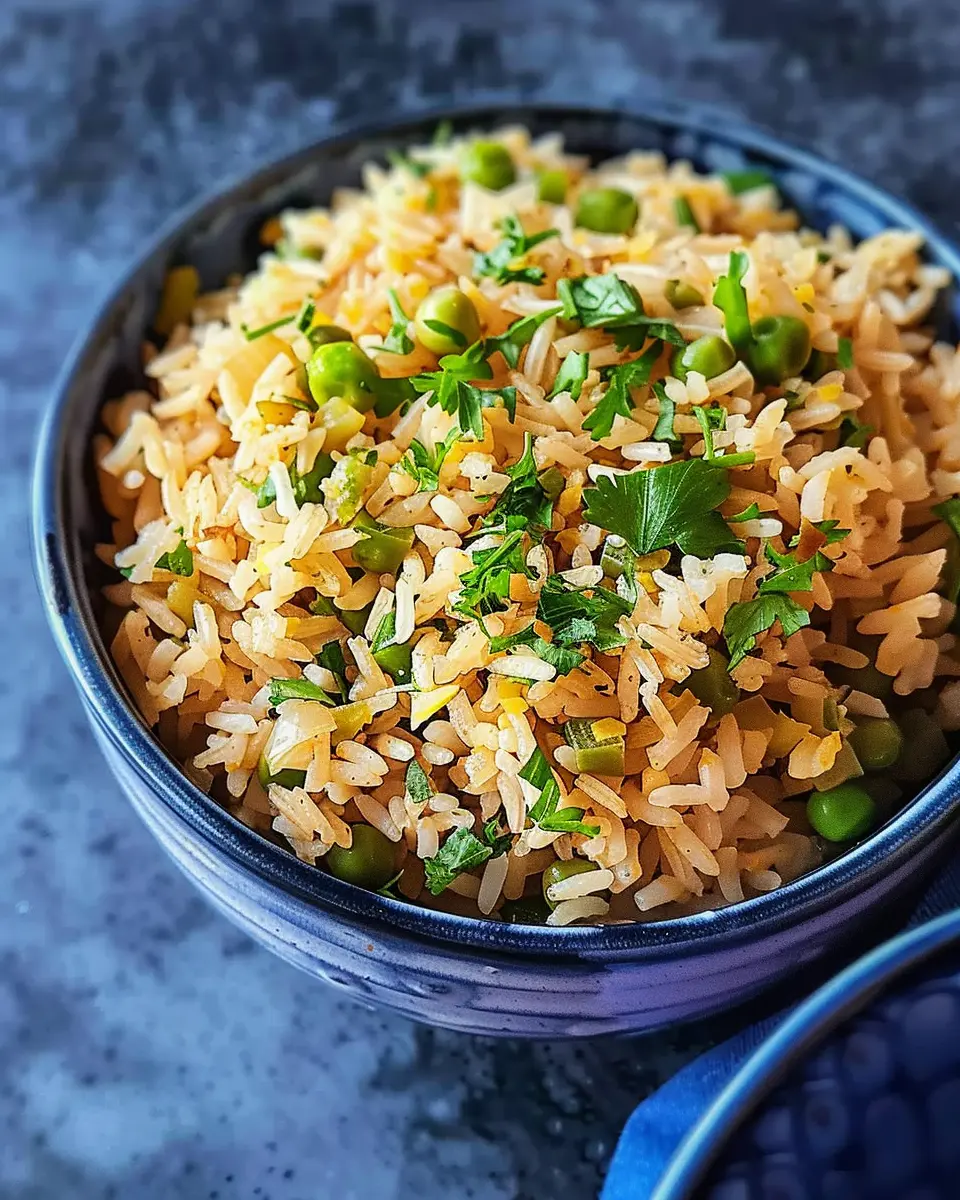
Finally, use a fork to fluff the rice, separating the grains to discover the tender pilaf beneath. Feel free to garnish with additional fresh herbs or crispy turkey bacon or chicken ham, if you’re using them.
Your Rice Pilaf is now ready to be served! It pairs beautifully with grilled meats, roasted vegetables, or even as a standalone dish. Enjoy the process, and happy cooking!
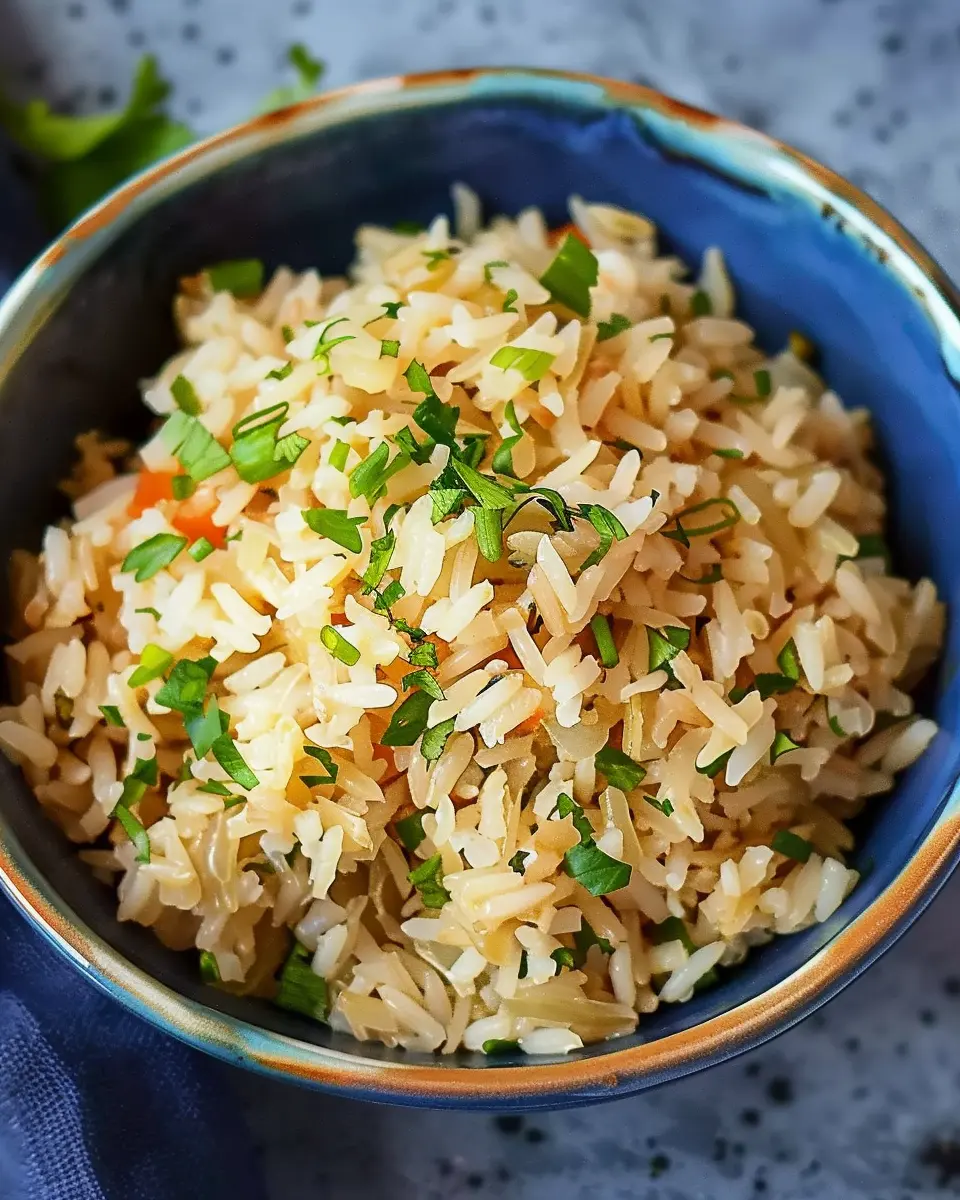
Variations on Rice Pilaf
Rice pilaf is a wonderfully versatile dish that you can tailor to suit any palate. Whether you’re hosting a dinner party or preparing a weeknight meal, these variations will impress and delight!
Mediterranean-inspired Rice Pilaf
Elevate your rice pilaf by infusing it with Mediterranean flavors. Begin with a base of long-grain rice, adding chicken broth for a savory depth. Mix in:
- Chopped sun-dried tomatoes
- Kalamata olives
- Feta cheese
- Fresh oregano and basil
This combination not only brightens the dish but also incorporates healthy ingredients packed with flavor. Serve it alongside grilled vegetables or a simple green salad for a refreshing meal. Check out the Mediterranean Diet for more ideas on incorporating these vibrant flavors into your diet.
Spiced Rice Pilaf with Nuts and Dried Fruits
For a warming twist, try a spiced rice pilaf that incorporates nuts and dried fruits. Start with basmati rice, then sauté onions, garlic, and an array of spices—like cumin, cinnamon, and cardamom. Add:
- Sliced almonds or cashews
- Raisins or dried apricots
- A pinch of saffron (optional, for luxury)
This sweet and savory combination not only adds excitement but also packs a nutritional punch. As you prepare your pilaf, think about how spices can transform a dish. According to a study from the American Medical Association, spices like turmeric and ginger carry numerous health benefits—so don’t hold back!
Whichever variation you choose, rice pilaf can easily adapt to your favorite ingredients, making it a staple for any home chef. Happy cooking!
Cooking notes and tips for Rice Pilaf
Common pitfalls and how to avoid them
Making Rice Pilaf can be a rewarding experience, but there are common mishaps to steer clear of. One frequent issue is using old rice, which can result in unexpected texture. Always check the expiration date. Additionally, be cautious not to over-stir when the rice is cooking; gentle handling prevents it from becoming gummy. Lastly, many forget to season their broth adequately—taste matters! Aim for a savory base by incorporating herbs or spices early in the cooking process.
Recommended cooking tools for the best results
To achieve perfectly fluffy Rice Pilaf, you’ll want to invest in a few essential tools:
- Heavy-bottomed pot or saucepan: Ensures even heat distribution.
- Wooden spoon: Ideal for gentle stirring.
- Measuring cups: For precise rice-to-liquid ratios.
- Lid: A tight-fitting lid is crucial for steam retention.
With the right setup, every time you cook, your Rice Pilaf will shine! For more tips and culinary insights, check Serious Eats. This can elevate your cooking game, without a doubt. Happy cooking!
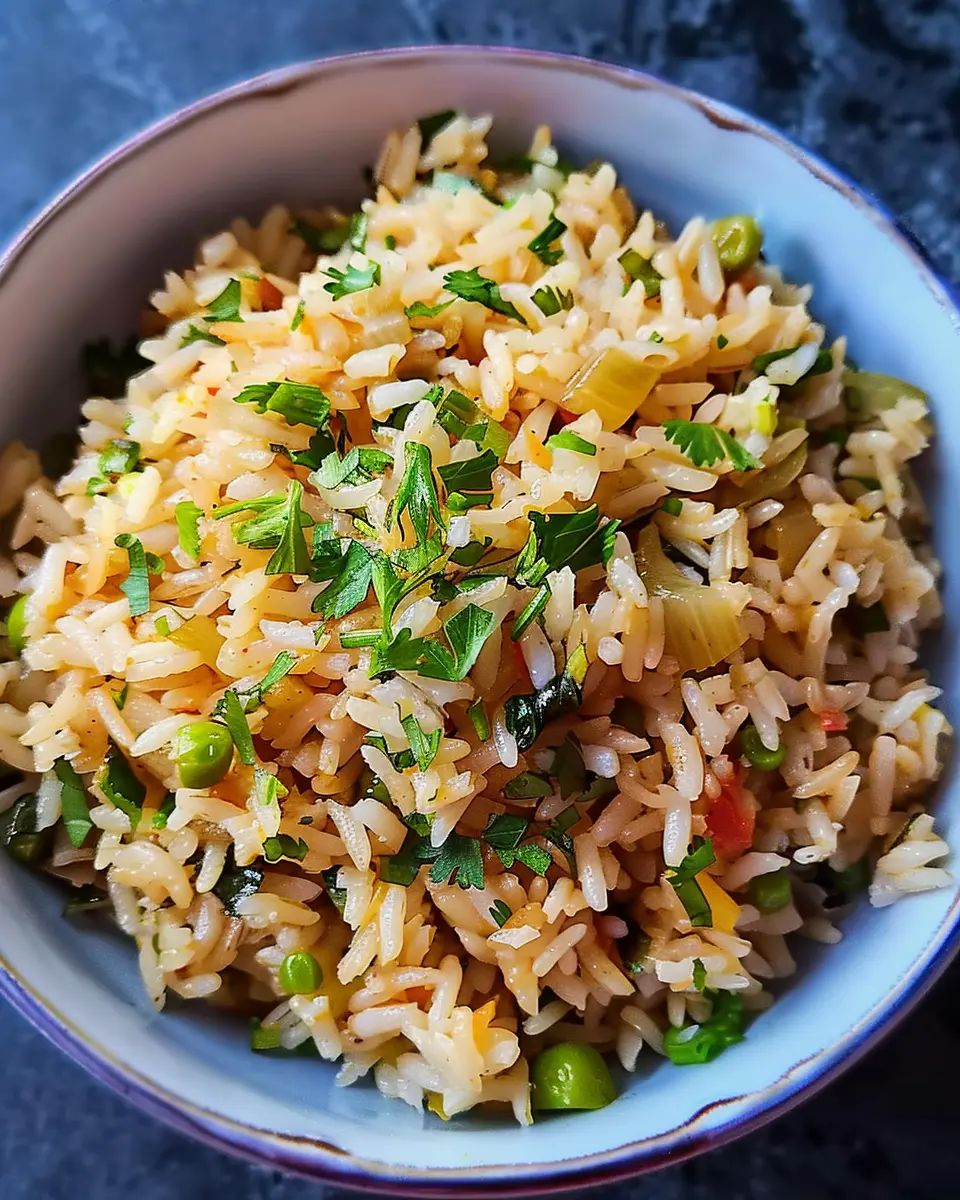
Serving Suggestions for Rice Pilaf
Pairing Rice Pilaf with Proteins and Veggies
Rice pilaf offers incredible versatility when it comes to pairing with proteins and vegetables. It complements a wide range of options, making every meal a delightful experience. Consider serving it alongside:
- Grilled chicken or turkey bacon for a savory touch
- Roasted vegetables such as bell peppers, zucchini, or asparagus to add color and nutrients
- Shrimp for a tasty seafood option that elevates the dish
- Chickpeas or lentils for a hearty vegetarian twist
This flexibility allows you to cater to various dietary preferences while creating a balanced plate.
Creative Ways to Serve Rice Pilaf at Gatherings
Want to impress your friends at your next get-together? Consider these innovative serving ideas for your rice pilaf:
- Serve it in hollowed-out bell peppers, creating a stunning presentation.
- Use it as a base for a bowl, topped with protein and vibrant veggies.
- Create a rice pilaf bar with multiple toppings like nuts, herbs, and seasonings—everyone can customize their bowl!
These ideas not only make for an engaging dining experience but also spark conversation and creativity. For more ideas on enhancing your cooking game, check out resources like The Kitchn or Serious Eats.
Time breakdown for Rice Pilaf
Preparation time
Getting your Rice Pilaf started is a breeze! You’ll need about 10 to 15 minutes to chop your vegetables, measure your rice, and gather all your ingredients. This step is vital, as having everything ready makes the cooking process smoother and more enjoyable.
Cooking time
Once you’ve prepped, the actual cooking will take about 20 to 25 minutes. As the rice simmers and absorbs flavors, it’s a great time to unwind. Consider this your mini cooking meditation!
Total time
In total, you’re looking at around 30 to 40 minutes for the complete recipe. That’s not too shabby for a delicious and comforting dish that feels gourmet. Plus, if you choose to pair it with some Turkey Bacon or Chicken Ham, the meal just got a whole lot tastier! For more on how to enhance your Rice Pilaf, check out resources like Serious Eats for expert tips.
Nutritional Information for Rice Pilaf
When whipping up a delightful Rice Pilaf, it’s essential to understand what nourishes this hearty dish.
Overall Calorie Count
A serving of Rice Pilaf typically contains around 200 calories. This makes it a satisfying addition to your meal without tipping the scales on calorie intake.
Breakdown of Macronutrients
Here’s a quick snapshot of the macronutrient profile in a standard serving:
- Carbohydrates: Approximately 40 grams. Rice is mainly carb-dense, making it an excellent energy source.
- Proteins: About 5 grams, especially if you add some protein-rich toppings like Turkey Bacon or vegetables.
- Fats: Roughly 3 grams, which can be adjusted based on the amount of oil or butter used.
Incorporating Rice Pilaf into your diet not only provides energy but also offers versatility. For tips on selecting healthier options, check out resources like the USDA or Healthline.
So, whether you’re fueling a busy workday or enjoying a cozy dinner, Rice Pilaf fits beautifully into a balanced diet!
FAQs about Rice Pilaf
Can I use brown rice instead of white rice?
Absolutely! Using brown rice in your Rice Pilaf not only adds a nutty flavor but also boosts its nutritional profile. While brown rice takes longer to cook—typically 40-50 minutes—you’ll end up with a deliciously chewy texture. Just remember to adjust the liquid ratios since brown rice requires more water. A good guideline is a 2:1 ratio of water to rice. If you often find yourself looking to make healthier choices, brown rice can be your go-to substitution.
How do I store leftovers properly with rice pilaf?
Storing leftovers is straightforward! First, let your Rice Pilaf cool to room temperature. Then, transfer it to an airtight container. You can keep it in the refrigerator for 3 to 5 days or freeze it for up to 6 months. For best results when reheating, add a splash of broth or water to keep it moist. It’s super convenient for a busy weeknight meal!
Can I prepare rice pilaf ahead of time?
Yes, preparing Rice Pilaf ahead of time is a great idea! Cook it in advance, let it cool, and store it in the fridge until you need it. It’s perfect for meal prep; you can simply reheat it when you’re ready to serve. This dish pairs beautifully with various proteins like Turkey Bacon, Chicken Ham, or even sautéed vegetables.
For more tips on meal prepping and ingredient substitutions, you can check out Cooking Light and Serious Eats. They offer fantastic advice tailored for busy professionals like you, making your meal planning experience seamless and enjoyable!
Conclusion on Rice Pilaf
Embrace homemade meals with rice pilaf as your go-to dish
Incorporating rice pilaf into your meal rotation is a fantastic way to embrace the joys of homemade cooking. This versatile dish pairs beautifully with various proteins, such as chicken ham or turkey bacon, making it suitable for weekday dinners or special occasions alike. Its easy-to-follow preparation lends itself to convenience for busy young professionals.
Why not experiment with different herbs and spices to discover flavors that excite your palate? Discover more about preserving flavors with the right techniques here and enjoy a wholesome meal that never goes out of style. Give rice pilaf a try; your taste buds will thank you!
PrintRice Pilaf Made Easy: A Flavorful Twist with Turkey Bacon

Discover how to make a delicious Rice Pilaf with a twist of turkey bacon.
- Prep Time: 10 minutes
- Cook Time: 20 minutes
- Total Time: 30 minutes
- Yield: 4 servings
- Category: Side Dish
- Method: Stovetop
- Cuisine: American
- Diet: Gluten-Free
Ingredients
- 1 cup long-grain rice
- 4 slices turkey bacon
- 2 cups chicken broth
- 1 small onion, finely chopped
- 2 garlic cloves, minced
- 2 tablespoons olive oil
- 1/2 teaspoon black pepper
Instructions
- In a skillet, cook turkey bacon until crispy. Remove and chop.
- In the same skillet, sauté onion and garlic in olive oil until soft.
- Add rice and stir for a minute until lightly toasted.
- Pour in chicken broth, add cooked bacon, and bring to a boil.
- Reduce heat, cover, and simmer for about 18 minutes, or until rice is cooked.
- Fluff with a fork before serving.
Notes
- For added flavor, consider adding herbs like parsley or thyme.
- Feel free to substitute rice with quinoa for a healthier option.
Nutrition
- Serving Size: 1 cup
- Calories: 300
- Sugar: 1g
- Sodium: 650mg
- Fat: 14g
- Saturated Fat: 3g
- Unsaturated Fat: 9g
- Trans Fat: 0g
- Carbohydrates: 34g
- Fiber: 1g
- Protein: 10g
- Cholesterol: 20mg