Introduction to Pasta Primavera
Pasta Primavera is a delightful and colorful dish that brings together the best of both worlds: the heartiness of pasta and the freshness of seasonal vegetables. Originating from Italian cuisine, this dish has become a favorite for many because of its vibrant appearance and versatility. But what makes Pasta Primavera stand out?
First, it’s incredibly easy to customize! You can use whatever vegetables you have on hand—think bell peppers, zucchini, cherry tomatoes, and broccoli. Even better, this dish is perfect for those looking to eat more plant-based meals without sacrificing flavor. According to the USDA, consuming more vegetables can lead to better overall health, so why not enjoy them in a delicious pasta dish?
Here’s why you should give Pasta Primavera a try:
- It’s quick and perfect for weeknight dinners.
- The explosion of colors makes it visually appealing and a great option for impressing guests.
- You can make it as indulgent or as light as you want—
from adding turkey bacon for a savory touch to keeping it vegetarian with extra olive oil and herbs.
Now, thinking of the flavors already makes your mouth water, doesn’t it? You could even enhance it with a citrus dressing made from fresh lemon juice and zest, giving that extra zing!
Cooking Pasta Primavera allows for creativity. Are you craving a creamier sauce? Go ahead and add some creamy sauce made from blending cashews and vegetables. Want a kick? Toss in some crushed red pepper flakes or a dash of balsamic vinegar for a tangy twist.
The beauty of Pasta Primavera also lies in its balance. You get carbohydrates, fiber, and a boost of vitamins all in one bowl. Plus, it caters to various dietary preferences, making it a universally loved option.
Whether you’re hosting a dinner party or simply looking to mix up your weeknight meals, Pasta Primavera is a fantastic choice that will leave your taste buds dancing! If you’re ready to dive into this veggie-packed dish, check out our full recipe and get cooking today!
Ingredients for Pasta Primavera
Essential ingredients for a delicious dish
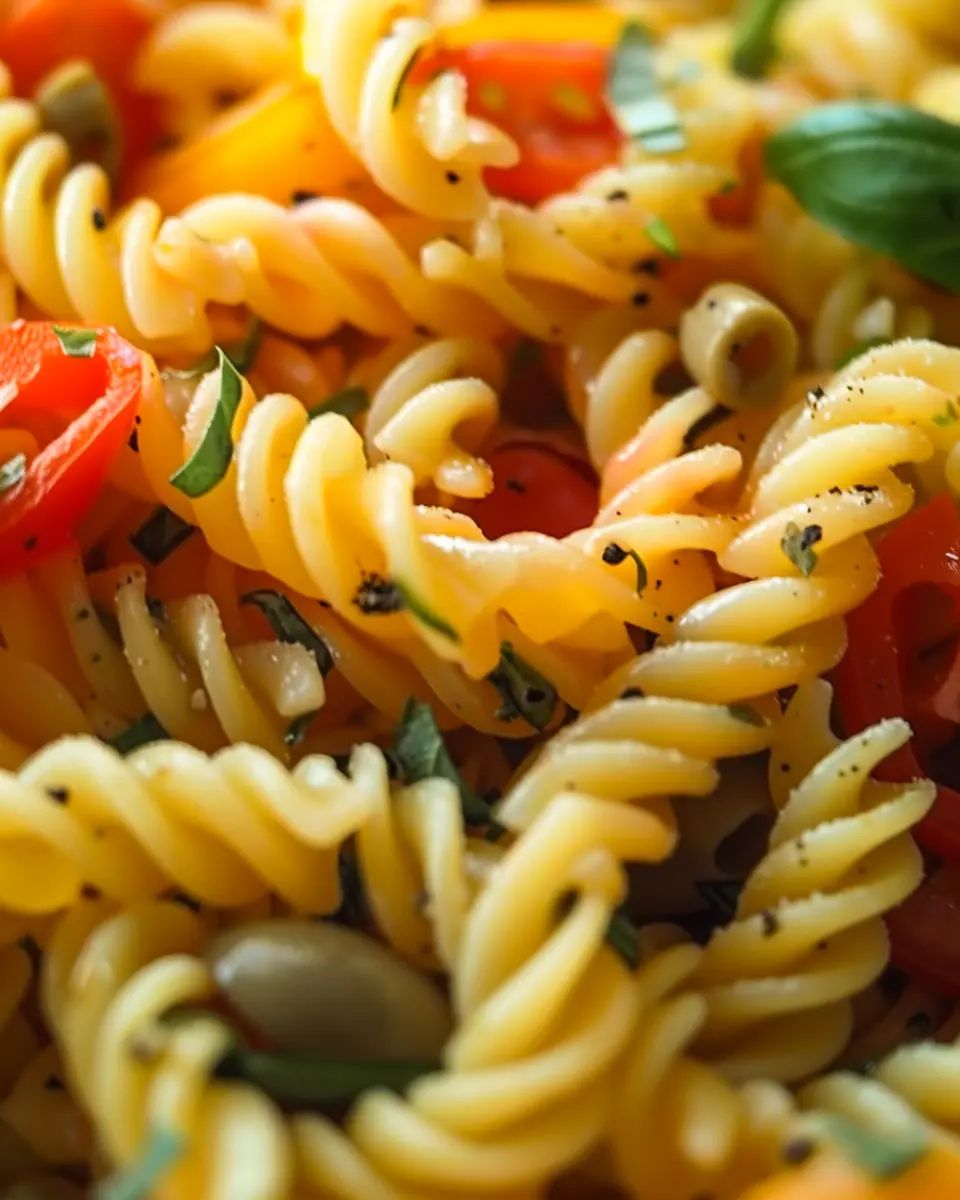
Creating a delectable Pasta Primavera starts with the right ingredients. Here’s what you’ll need for that perfect balance of flavors and textures:
- Pasta: Choose your favorite type, like penne or spaghetti. Gluten-free options are also available for dietary needs.
- Fresh vegetables: Bell peppers, zucchini, asparagus, and cherry tomatoes bring vibrant colors and nutrients.
- Olive oil: A good quality extra virgin olive oil enhances the dish’s flavor.
- Garlic: Freshly minced garlic adds a lovely aroma and depth.
- Parmesan cheese: For that cheesy finish, freshly grated Parmesan works wonders.
- Fresh herbs: Basil and parsley are excellent choices to brighten up your dish.
To take your Pasta Primavera to the next level, you can use a vegetable broth or reserve pasta water to create a silky sauce.
Optional add-ins for flavor and nutrition
For those looking to customize their Pasta Primavera, consider these optional add-ins:
- Protein: Turkey bacon or chicken ham provide a savory element.
- Leafy greens: Spinach or kale can boost nutrition while adding a lovely texture.
- Nuts: Toasted pine nuts or walnuts can introduce a delightful crunch.
- Spices: Red pepper flakes or Italian seasoning for a kick of flavor.
Feel free to mix and match based on what you have on hand. Cooking should be fun, so experiment and make it your own! For more tips or to explore the nutritional benefits of vegetables, check out this helpful resource.
Preparing Pasta Primavera
If you’re looking for a dish that celebrates the vibrant flavors of fresh vegetables, Pasta Primavera is an excellent choice. This colorful, vegetarian pasta dish is not only delicious but also quick and easy to prepare. Let’s dive into the steps to create your own masterpiece!
Gather and prep your fresh veggies
First things first, let’s assemble the star players for your Pasta Primavera. Fresh, seasonal vegetables are essential for the best flavor and texture. Here’s a list of some veggies you might consider using:
- Bell peppers (red, yellow, or green)
- Zucchini
- Asparagus
- Carrots
- Broccoli
- Cherry tomatoes
To prepped these beauties, wash them thoroughly and chop them into bite-sized pieces. Slice the peppers into thin strips, and cut the zucchini into half-moons. Don’t forget to trim the asparagus and slice the carrots into thin rounds. This colorful mix not only looks appealing but also adds a variety of textures to your dish. If you want to learn more about the nutritional benefits of these vegetables, check out Healthline’s vegetable guide.
Sauté the vegetables to perfection
Now it’s time for some sautéing magic! Heat a generous drizzle of olive oil in a large skillet over medium heat. Once the oil is shimmering, it’s showtime for your veggies. Start with the sturdier vegetables like carrots and broccoli. Let them cook for a few minutes, stirring occasionally, until they start to soften.
Then, add the bell peppers and zucchini. These veggies have a shorter cooking time, so it’s important to stagger the addition. Cook everything for approximately 5 to 7 minutes until they’re vibrant and tender but still have a slight crunch. The goal is to keep their flavors fresh and distinct. If you’re wondering about the best sautéing techniques, this guide offers some excellent tips.
Combine tomatoes and seasonings
This step is where your Pasta Primavera starts to come together. Once the vegetables are sautéed, it’s time to add the cherry tomatoes. Halve them and toss them into the skillet, letting them cook for another 2 to 3 minutes until they soften and release their juices.
For seasoning, sprinkle in some salt, pepper, and your favorite Italian herbs like oregano and basil. If you want a little kick, feel free to add a pinch of red pepper flakes. This is also the perfect moment to splash in some vegetable broth or a squeeze of lemon juice for added flavor. The acidity helps balance the sweetness of the vegetables beautifully.
Cook the pasta
While your veggies are sizzling away, you can start cooking the pasta. Fill a large pot with salted water and bring it to a boil. Add your favorite pasta—spaghetti, penne, or fusilli work wonderfully—and cook it according to package instructions until it’s al dente. For a bit of extra flavor, consider adding a bay leaf or a clove of garlic to the boiling water. Once cooked, reserve a cup of pasta water to help emulsify the sauce later.
Mix it all together and serve
Now comes the fun part! Drain the pasta and add it to the skillet with your sautéed veggies. Toss everything together, adding a bit of the reserved pasta water if you need to loosen it up. This will help the sauce cling perfectly to the pasta, making each bite satisfying.
Serve your Pasta Primavera piping hot, perhaps garnished with freshly grated Parmesan cheese and a sprinkle of fresh herbs for that final touch. You could even offer a side of crusty bread to soak up any leftover juices. This meal is not only a feast for the eyes but also a delightful way to enjoy some healthy, hearty ingredients. Enjoy your delicious creation, and don’t hesitate to experiment with your favorite vegetables for a personalized touch!
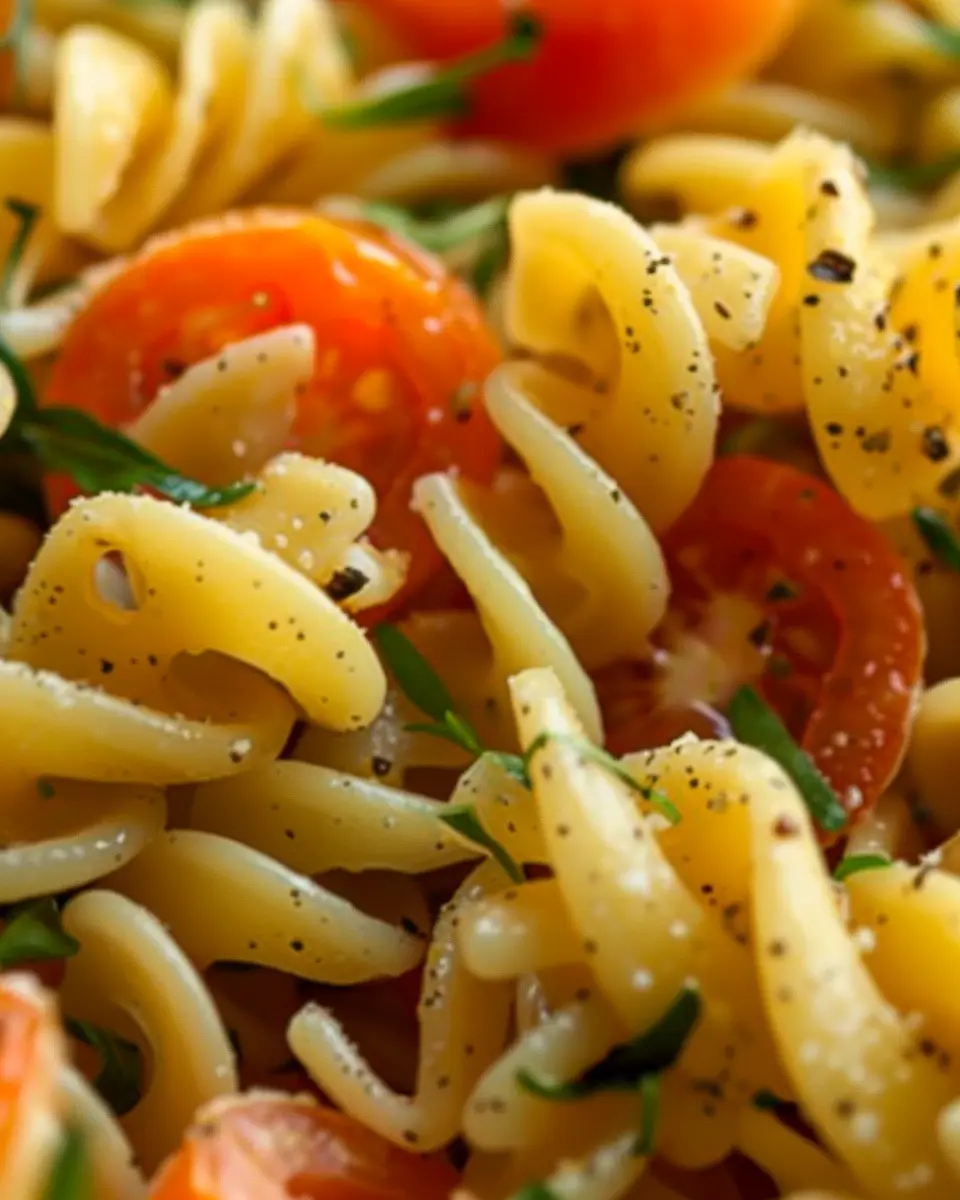
Variations on Pasta Primavera
Pasta Primavera is such a versatile dish, which means you can have endless fun tweaking the recipe to suit your taste. Let’s explore a couple of flavorful variations!
Adding Protein: Chicken, Shrimp, or Plant-Based Options
For those days when you want a little more than veggies, consider adding a protein to your Pasta Primavera. Here are some delicious options:
- Chicken: Grilled or sautéed chicken breast adds a savory depth. Season it with Italian herbs for that extra flavor kick.
- Shrimp: Quick-cooking shrimp can be tossed in with your vegetables at the end, giving a delightful seafood twist to your dish.
- Plant-Based Alternatives: If you’re leaning toward a vegetarian or vegan lifestyle, try using chickpeas or lentils. These options not only add protein but also a hearty texture!
Each of these proteins brings its own unique flavor to the table, making your Pasta Primavera a truly custom dish.
Experimenting with Different Pasta Shapes
While traditional spaghetti or fettuccine are great choices, don’t hesitate to experiment with other pasta shapes. Here are some ideas:
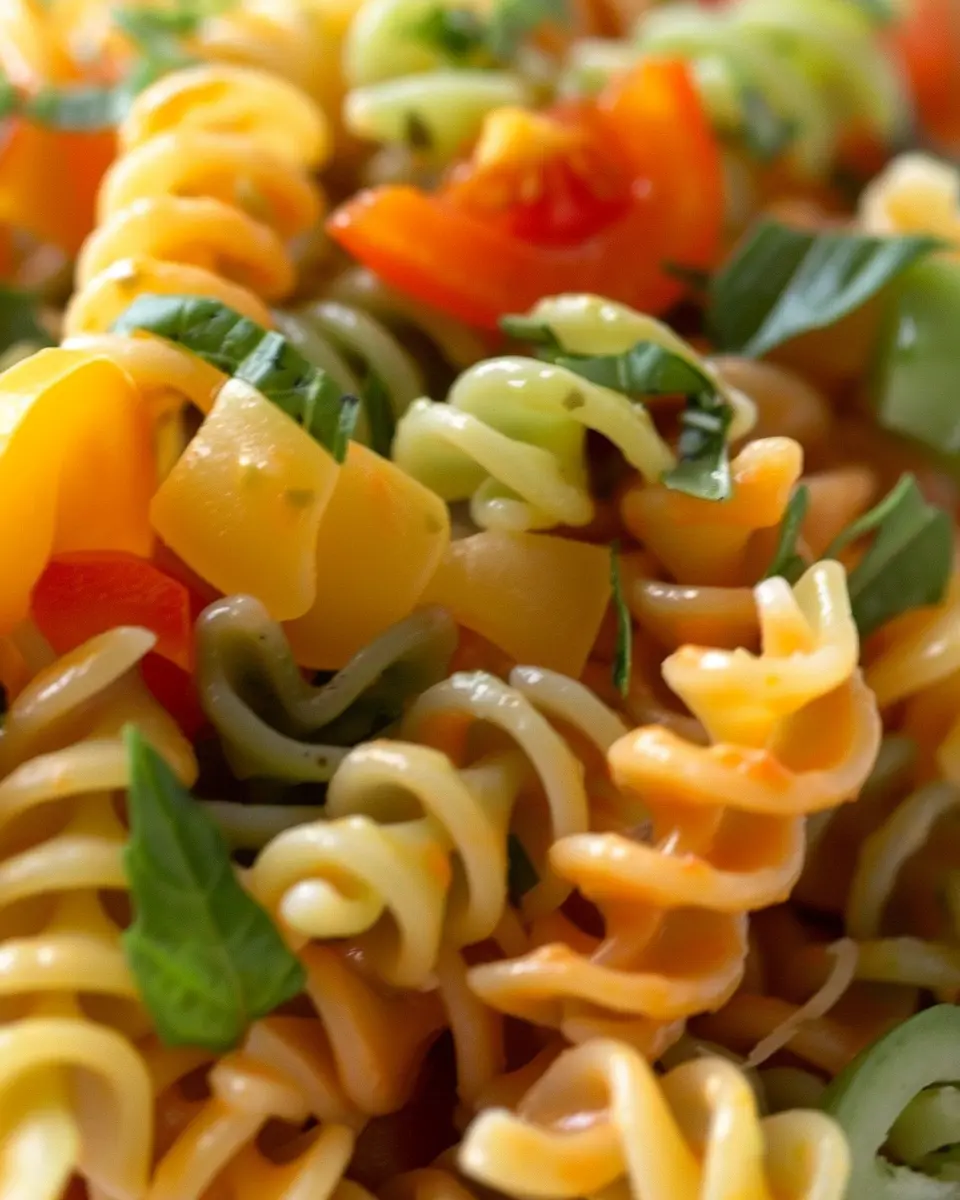
- Fusilli: This spiral-shaped pasta wraps nicely around vegetables and sauce, ensuring you get a bit of everything in each bite.
- Penne: The tubular shape holds onto the toppings beautifully, making each forkful satisfying.
- Zoodles (Zucchini Noodles): For a lighter touch, spiralized zucchini offers a refreshing twist. They are low in calories and a fantastic way to sneak in extra veggies.
Trying out different shapes not only keeps your meals exciting but can also help to showcase the beautiful colors of your Pasta Primavera.
For more inspiration on ingredient swaps and pasta tips, check out this article on pasta pairings and seasonings!
Cooking notes for Pasta Primavera
Tips for choosing the best vegetables
When it comes to Pasta Primavera, selecting fresh, vibrant vegetables is key to a delicious dish. Look for seasonal offerings—think asparagus, bell peppers, zucchini, or cherry tomatoes. These not only taste better but also offer peak nutrition. If you’re unsure, check out resources from sites like Seasonal Food Guide for what’s fresh in your area. Don’t hesitate to mix and match your favorites; this dish is incredibly versatile!
Adjusting the seasonings for your taste buds
Everyone has a unique palate, so don’t shy away from tweaking the Pasta Primavera seasonings! A pinch of red pepper flakes can add a lovely kick, while fresh herbs like basil and parsley can brighten the flavors. If you prefer a creamier texture, consider a splash of vegetable broth or a drizzle of olive oil to elevate the final dish. Remember, the goal is to create a balance that makes your taste buds sing. Always taste as you go—cooking is as much about improvisation as it is about following a recipe!
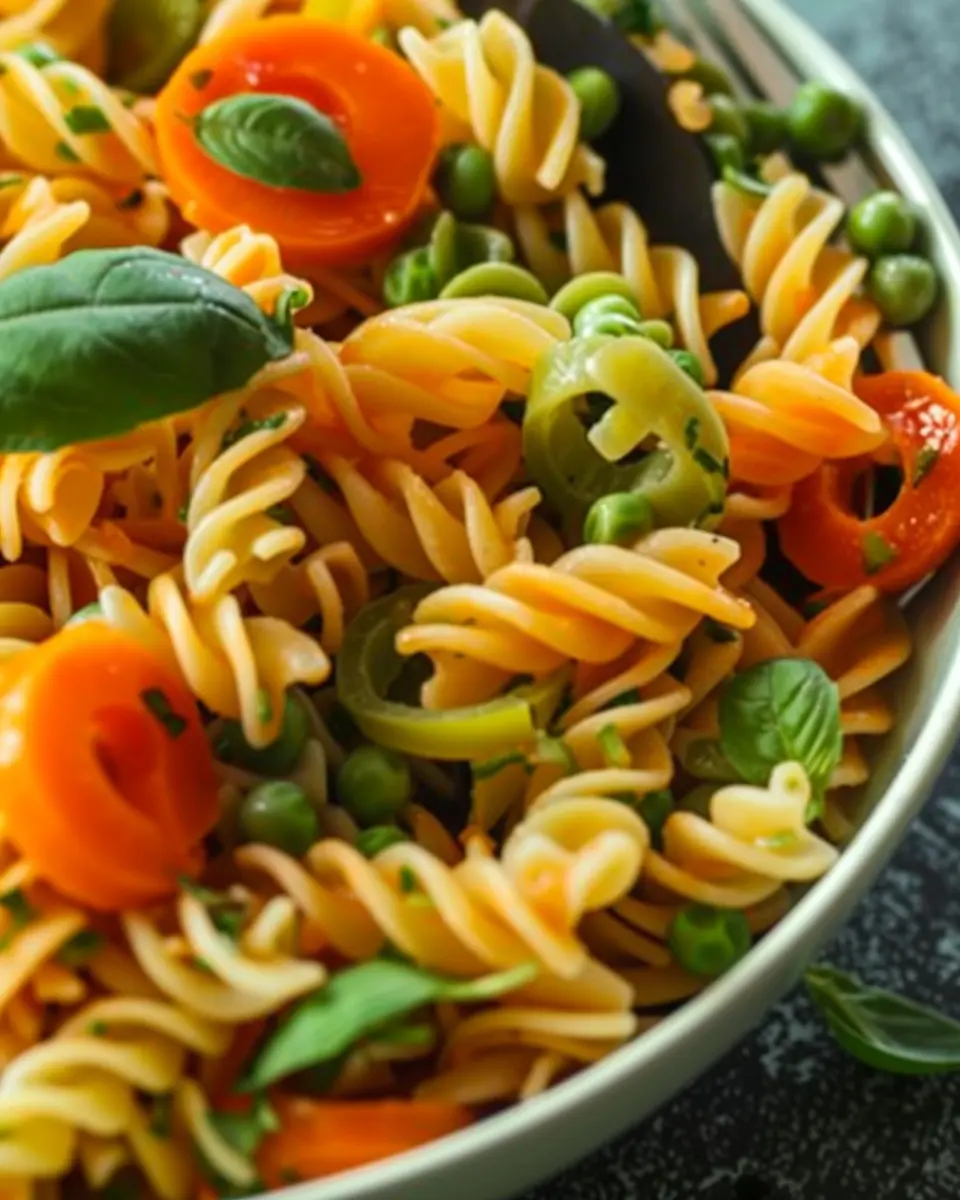
Serving suggestions for Pasta Primavera
Creative plating ideas
When it comes to Pasta Primavera, presentation can elevate your dish from simple to stunning. Try arranging the pasta in a circular mound on a large plate, then artfully arrange the vibrant vegetables on top. A sprinkle of freshly grated Parmesan and a drizzle of olive oil can add a delightful finish. For extra flair, use a sprig of basil or parsley as a garnish. You might also consider serving it in a large, rustic wooden bowl for a family-style meal that invites sharing and conversation.
Pairing sides for a complete meal
For a well-rounded dinner, consider pairing your Pasta Primavera with complementary sides. Here are a few ideas:
- Garlic bread: This classic side is perfect for sopping up any leftover sauce.
- Fresh salad: A mix of greens, cherry tomatoes, and a light vinaigrette can balance the dish’s richness.
- Grilled protein: Chicken ham or turkey bacon adds heartiness without overpowering the veggies.
By serving these delightful options alongside your main dish, you’ll create a meal that is not only satisfying but also beautifully balanced. Don’t forget to check out The Spruce Eats for additional inspiration on sides and plating techniques!
Time details for Pasta Primavera
Preparation time
Getting everything ready for Pasta Primavera is a breeze! You’ll want to set aside about 15 minutes to chop your vegetables and gather your ingredients.
Cooking time
Once you’ve prepped, cooking the dish takes around 20 minutes. In this time, you’ll sauté your veggies, cook your pasta, and create that delicious sauce that ties everything together.
Total time
In total, you’re looking at approximately 35 minutes to complete your Pasta Primavera from start to finish. Perfect for a busy weeknight meal that doesn’t compromise on flavor! For tips on improving efficiency in the kitchen, check out Cooking Light.
Cooking with fresh vegetables in this dish not only elevates flavor but also packs in important nutrients. Did you know that incorporating more vegetables into your meals can lead to a healthier overall diet? Enjoy every bite, and happy cooking!
Nutritional information for Pasta Primavera
When it comes to enjoying Pasta Primavera, you’ll be pleased to know that this delightful dish packs a nutritious punch without sacrificing flavor. Here’s a quick overview that might surprise you!
Calories
A serving of Pasta Primavera typically contains around 300-400 calories, mainly depending on the amount of pasta and vegetables used. It’s a great option if you’re aiming for a balanced meal that won’t weigh you down.
Vitamins and minerals
This dish is rich in essential vitamins and minerals thanks to the colorful vegetables involved. Expect a boost of Vitamin C and Vitamin A, along with potassium and folate. Leafy greens, bell peppers, and zucchini contribute to your daily intake of these important nutrients, helping to support your immune system and promote good vision.
Macronutrient breakdown
In terms of macronutrients, Pasta Primavera generally consists of:
- Carbohydrates: Approximately 50-60 grams, providing energy for your day.
- Proteins: With the addition of Turkey Bacon or Chicken Ham, you can enjoy around 10-20 grams of protein.
- Fats: Usually between 5-10 grams, predominantly from olive oil or any cheese you might add.
For more detailed insights into pasta nutrition, check out reputable sources like the USDA FoodData Central. Incorporating Pasta Primavera into your meal plan is not just delicious but a step towards a healthier lifestyle!
FAQs about Pasta Primavera
Can I make it gluten-free?
Absolutely! To whip up a gluten-free Pasta Primavera, simply swap traditional pasta for gluten-free options, such as rice or quinoa pasta. Many brands have crafted delicious alternatives that maintain that delightful chewy texture, so you won’t miss out on anything. Be sure to check the labels to confirm they’re certified gluten-free. For a low-carb option, spiralized vegetables like zucchini or carrots can also serve as a fantastic base. Trust us; your dinner table will feel just as satisfying!
How do I store leftovers?
If you find yourself with extra Pasta Primavera, storing it is simple. Place the leftovers in an airtight container and refrigerate them. They should last for about 3 days. When you’re ready to enjoy them again, just reheat in a skillet over low heat with a splash of vegetable broth or water to prevent drying out. If you’d like more detailed storage tips, check out Food Safety Guidelines.
What if I don’t have a certain veggie on hand?
No problem at all! Pasta Primavera is incredibly versatile. If you’re missing a vegetable, feel free to get creative! Bell peppers, asparagus, and mushrooms are common, but leafy greens like spinach or kale can add a delightful twist. Frozen veggies are also a great substitute if fresh options are scarce. The key here is to use what you have available, making your dish both practical and delicious. Plus, who doesn’t love a recipe that encourages improvisation?
Conclusion on Pasta Primavera
When it comes to quick meals, it’s easy to lean towards fast food, but making Pasta Primavera at home is a game-changer. Not only do you control the ingredients—choosing fresh vegetables and whole grains—but you also avoid the preservatives and additives often found in takeout. Plus, cooking can be therapeutic, making it a great way to unwind after a long day.
Imagine savoring a vibrant bowl of Pasta Primavera made with your favorite seasonal veggies, all while knowing exactly what you’re eating. So why settle for greasy takeout when you can whip up a nutritious meal that’s just as convenient? For more inspiration, check out this guide on healthy eating.
PrintPasta Primavera: A Fresh and Easy Veggie Delight to Try Today

Pasta Primavera is a vibrant and healthy dish that celebrates the freshness of vegetables.
- Prep Time: 10 minutes
- Cook Time: 15 minutes
- Total Time: 25 minutes
- Yield: 4 servings
- Category: Main Course
- Method: Boiling and Sautéing
- Cuisine: Italian
- Diet: Vegetarian
Ingredients
- 8 ounces pasta of choice
- 2 tablespoons olive oil
- 1 cup bell peppers, sliced
- 1 cup zucchini, sliced
- 1 cup cherry tomatoes, halved
- 2 cloves garlic, minced
- 1/2 teaspoon salt
- 1/4 teaspoon black pepper
- 1/4 cup grated Parmesan cheese
Instructions
- Cook the pasta according to package instructions.
- In a large skillet, heat olive oil over medium heat.
- Add bell peppers, zucchini, and garlic; sauté for 5-7 minutes.
- Stir in cherry tomatoes, salt, and pepper; cook for an additional 2 minutes.
- Toss the cooked pasta with the sautéed vegetables and sprinkle with Parmesan cheese.
- Serve warm.
Notes
- Feel free to add other vegetables like asparagus or broccoli.
- This dish is great served with a sprinkle of fresh herbs.
Nutrition
- Serving Size: 1 serving
- Calories: 350
- Sugar: 4 grams
- Sodium: 250 milligrams
- Fat: 12 grams
- Saturated Fat: 2 grams
- Unsaturated Fat: 10 grams
- Trans Fat: 0 grams
- Carbohydrates: 50 grams
- Fiber: 3 grams
- Protein: 12 grams
- Cholesterol: 10 milligrams