Introduction to Pasta Primavera
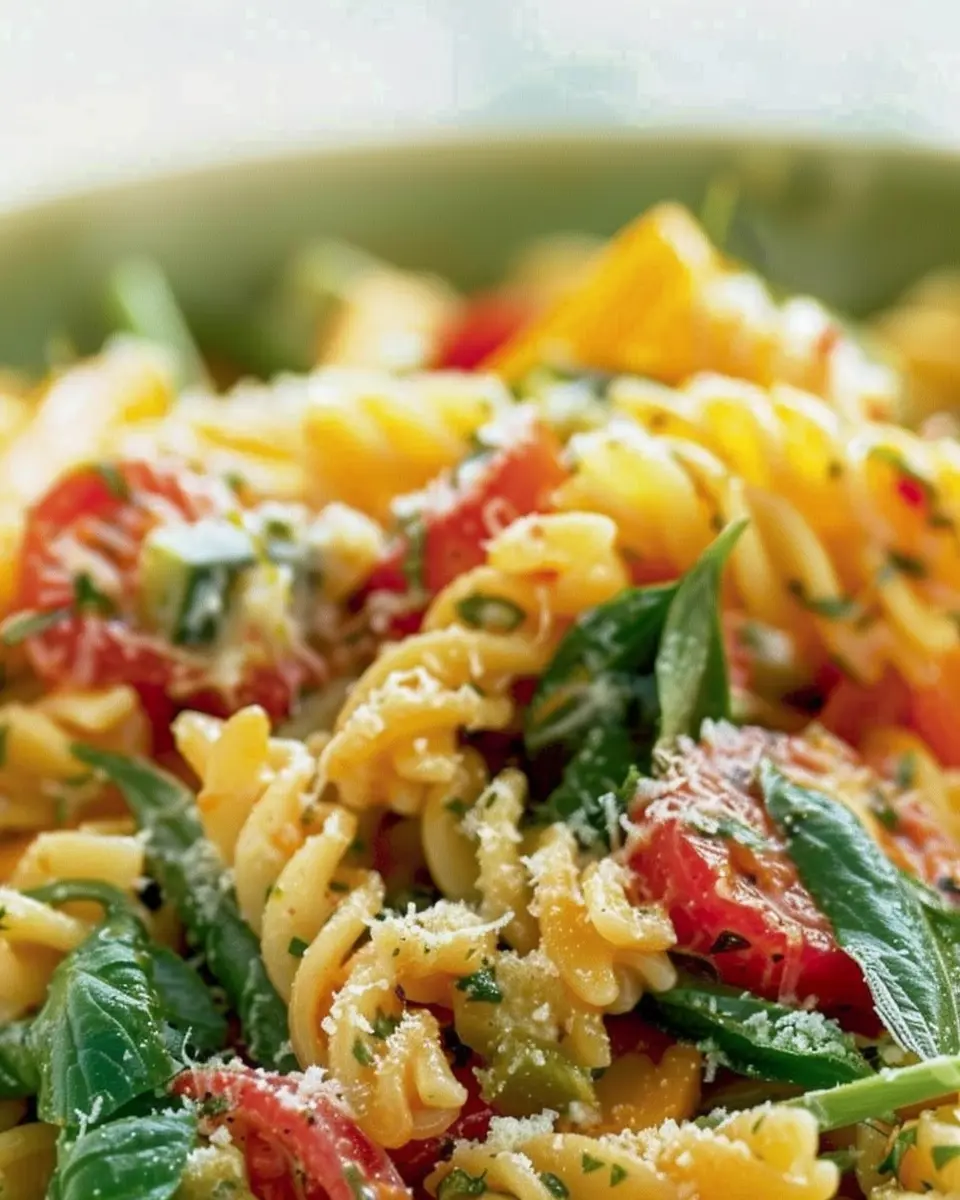
If you’re looking for a dish that encapsulates sustainability, taste, and a touch of seasonal flair, look no further than Pasta Primavera. This vibrant Italian classic features an array of fresh vegetables tossed with pasta and a light sauce, making it a go-to choice for health-conscious foodies and busy professionals alike.
What is Pasta Primavera, and why is it popular?
At its core, Pasta Primavera translates to “spring pasta” in Italian, which reflects its seasonal nature. Originally crafted in the 1970s, it quickly gained traction in American kitchens due to its versatility and ease of preparation. The beauty of this dish lies in its flexibility; you can use virtually any vegetable you have on hand. From zucchini and bell peppers to asparagus and cherry tomatoes, the options are endless! This not only means you can create a dish with a colorful, inviting presentation but also one that aligns with the seasonal produce available in your area.
One of the major draws of Pasta Primavera is its health appeal. Filled with vibrant vegetables, it provides essential nutrients that fit perfectly within a balanced diet. According to the USDA, including a variety of vegetables in your meals can contribute to a lower risk of chronic diseases, making this dish a smart and delicious choice for your weekly meal prep source.
Additionally, Pasta Primavera is incredibly adaptable to different dietary preferences. Whether you’re vegetarian, vegan, or even a meat lover, you can easily customize your recipe. Consider adding turkey bacon or chicken ham for a savory twist, or keeping it plant-based by just focusing on the fresh veggies.
In summary, Pasta Primavera is not just a meal; it’s a celebration of the flavors and colors of spring, making it a perennial favorite among food enthusiasts. With its straightforward preparation and endless customization potential, it’s no wonder this dish has found a permanent place on tables around the world. So, why not give it a try? Your taste buds will thank you!
Ingredients for Pasta Primavera
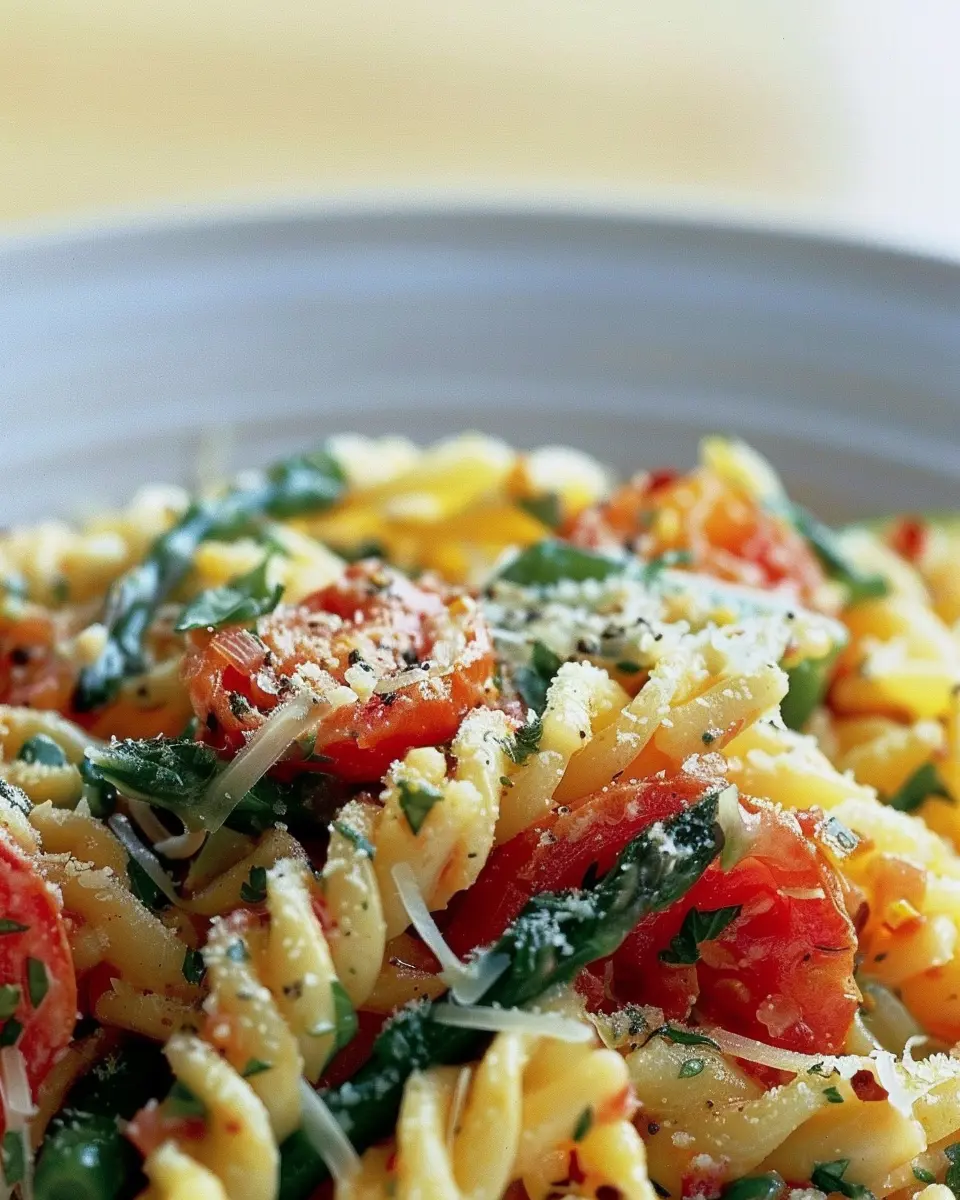
Creating a vibrant Pasta Primavera is all about selecting fresh, colorful vegetables that will not only enhance the dish’s visual appeal but also its flavor profile. Here’s what you need to whip up this delightful meal:
- Pasta: Choose your favorite type—spaghetti or penne works beautifully.
- Bell Peppers: Opt for a mix of red, yellow, and green for a burst of color and taste.
- Zucchini: Adds a subtle crunch and pairs perfectly with the other veggies.
- Carrots: Thinly sliced or julienned, they bring a touch of sweetness.
- Cherry Tomatoes: These offer juiciness and a pop of flavor.
- Broccoli Florets: A nutritious addition that pairs well with other ingredients.
- Garlic: Fresh minced garlic elevates the flavors, making every bite memorable.
- Turkey Bacon: For that savory kick, it’s a great alternative to traditional bacon.
- Chicken Ham: This adds a bit of protein and complements the vegetables nicely.
- Olive Oil: Use it for sautéing and drizzling for a rich finish.
- Seasoning: Salt, pepper, and fresh basil or parsley will tie everything together.
Feeling adventurous? Check out foodnetwork.com for more ideas on how to customize your Pasta Primavera.
Preparing Pasta Primavera
Pasta Primavera is more than just a meal; it’s a colorful celebration of fresh vegetables and flavors. This dish showcases the beauty of seasonal ingredients while catering to a busy lifestyle. So, let’s dive into the steps that will help you prepare an amazing Pasta Primavera that’s not only healthy but also incredibly satisfying.
Cook the Pasta
The first step to a delicious Pasta Primavera is, of course, cooking the pasta. Begin by selecting your favorite pasta—spaghetti, penne, or even whole grain options work wonders. Here’s how to get it just right:
- Boil water: Use a large pot and bring water to a rolling boil. For every pound of pasta, you should use about four quarts of water.
- Add salt: Don’t skip this! Salt enhances the flavor of the pasta. Use about 1-2 tablespoons of salt per quart.
- Cook the pasta: Add the pasta and stir occasionally to prevent sticking. Check the package for cooking time, but aim for al dente, which means the pasta should still have a slight firmness.
- Reserve some water: Before draining, scoop out a cup of the pasta water. It’s like liquid gold that can be used to adjust your sauce later. Drain and set the pasta aside.
Pro tip: If you’re looking for a quicker option, consider using a microwave pasta cooker or invest in a multi-cooker. It can save time and reduce cleanup!
Sauté the Vegetables
Now onto the best part—sautéing the vegetables! This is where you can get creative. Fresh seasonal veggies such as bell peppers, zucchini, asparagus, and cherry tomatoes work wonders in a Pasta Primavera.
- Prepare the ingredients: Chop your veggies into bite-sized pieces. This way, they’ll cook evenly and be easier to eat.
- Heat your skillet: Use a large skillet over medium heat. Add a drizzle of olive oil—about two tablespoons should do.
- Add the veggies: Once the oil is shimmering, toss in your chopped vegetables. Start with the ones that take longer to cook, like carrots or bell peppers, and finish with quicker-cooking veggies, such as spinach or cherry tomatoes.
- Season: As the veggies cook, sprinkle in some salt, pepper, and trusty garlic (fresh or powdered). This will infuse them with wonderful flavors.
For more veggie seasoning inspiration, check out this guide on vegetable seasoning.
Combine Ingredients in a Skillet
With your pasta and vegetables ready, it’s time to combine them in your skillet. In this step, the magic of Pasta Primavera truly begins.
- Add pasta to the skillet: Toss the drained pasta into the skillet with your sautéed vegetables.
- Stir in flavorings: Here’s where your reserved pasta water comes in handy! Add a bit of it to create a light sauce that clings beautifully to your pasta and veggies.
- Incorporate proteins: If you’re in the mood for some additional flavor, toss in some turkey bacon or sliced chicken ham. They will add a satisfying texture and depth of flavor to your dish.
Toss Everything Together
Finally, it’s time for the grand finale in your Pasta Primavera preparation!
- Mix it up: With everything in the skillet, gently toss the pasta and veggies together using tongs or a spatula. This step ensures each ingredient is nicely coated and evenly distributed.
- Adjust seasoning: Give it a taste. If it needs more flavors, feel free to add additional salt, pepper, or a splash of lemon juice for brightness.
- Garnish: Top with fresh herbs, like basil or parsley, and a sprinkle of grated cheese for that final touch.
Once you’ve tossed everything to perfection, serve your colorful Pasta Primavera warm, and don’t forget to snap a quick photo for your Instagram feed!
Creating a Pasta Primavera is less about following strict rules and more about enjoying the process and experimenting with flavors. By taking the time to sauté fresh vegetables and combining them with perfectly cooked pasta, you can create a dish that’s not just a meal but a celebration of good eating!
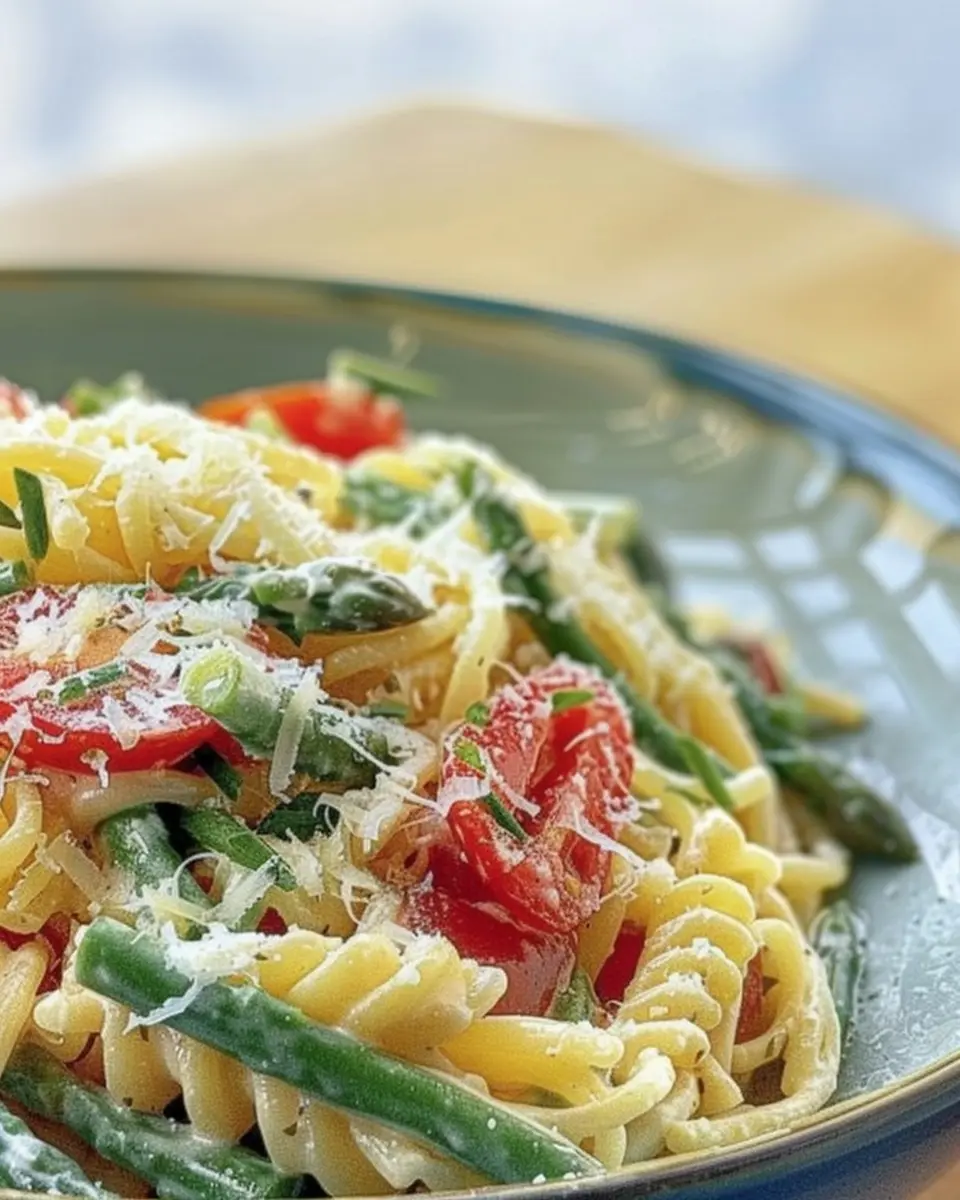
Variations on Pasta Primavera
Pasta Primavera is all about celebrating fresh flavors and vibrant colors. To keep things exciting, let’s explore a couple of variations that elevate this classic dish.
Add Protein Options Like Grilled Chicken or Shrimp
Want to make your Pasta Primavera a heartier meal? Incorporating protein is a fantastic way to do just that. Grilled chicken adds a savory richness, while shrimp brings a delightful sweetness that complements the vegetables beautifully. Simply marinate your protein of choice in olive oil, garlic, and herbs for an extra kick.
Here are a couple of quick ideas:
- Grilled Chicken: Slice up some chicken breast and grill until cooked through. Toss it in with your cooked pasta and veggies.
- Shrimp: Sauté shrimp in garlic and lemon juice until they turn pink and tender. Stir them in just before serving for that fresh seafood charm.
For more inspiration on cooking protein, check out this guide on grilling basics.
Experiment with Different Vegetables
One of the best aspects of Pasta Primavera is its versatility when it comes to vegetables. Feel free to mix and match based on what’s in season or what you have in your fridge.
- Seasonal Picks: Try adding asparagus, zucchini, or bell peppers for crunch and color.
- Leafy Greens: Spinach or kale not only add nutritional value but also add a beautiful green hue to your dish.
The beauty of Pasta Primavera lies in its adaptability. It allows you to create a dish that reflects your tastes while minimizing food waste.
Don’t hesitate to experiment! What veggies or proteins will you be adding to your Pasta Primavera today?
Cooking tips and notes for Pasta Primavera
Choosing the right pasta
When crafting your Pasta Primavera, selecting the right pasta is key to achieving the perfect texture. Opt for pasta shapes that can hold onto the delicious sauce and veggies. Short shapes like penne or farfalle work wonderfully, but don’t shy away from long options like spaghetti or fettuccine if you’re in the mood. Remember, the cooking time may vary depending on your choice, so check the package instructions and taste-test as you go. If you’re feeling adventurous, whole wheat or gluten-free pasta can provide a healthy twist.
Tips for perfect sautéing
Sautéing vegetables is where the magic happens! To ensure your veggies retain their crispness, start with a hot pan and use a splash of vegetable broth or olive oil instead of butter. This allows for vibrant colors and enhanced flavors. Always add denser veggies like carrots and bell peppers first, followed by quicker-cooking ones like tomatoes and zucchini. For a pro tip, ensure you don’t overcrowd the pan; this way, your vegetables get beautifully caramelized. Love exploring more culinary techniques? Check out sources like Serious Eats for in-depth guides!
These simple cooking tips can elevate your Pasta Primavera to new heights, making mealtime both satisfying and scrumptious. Happy cooking!
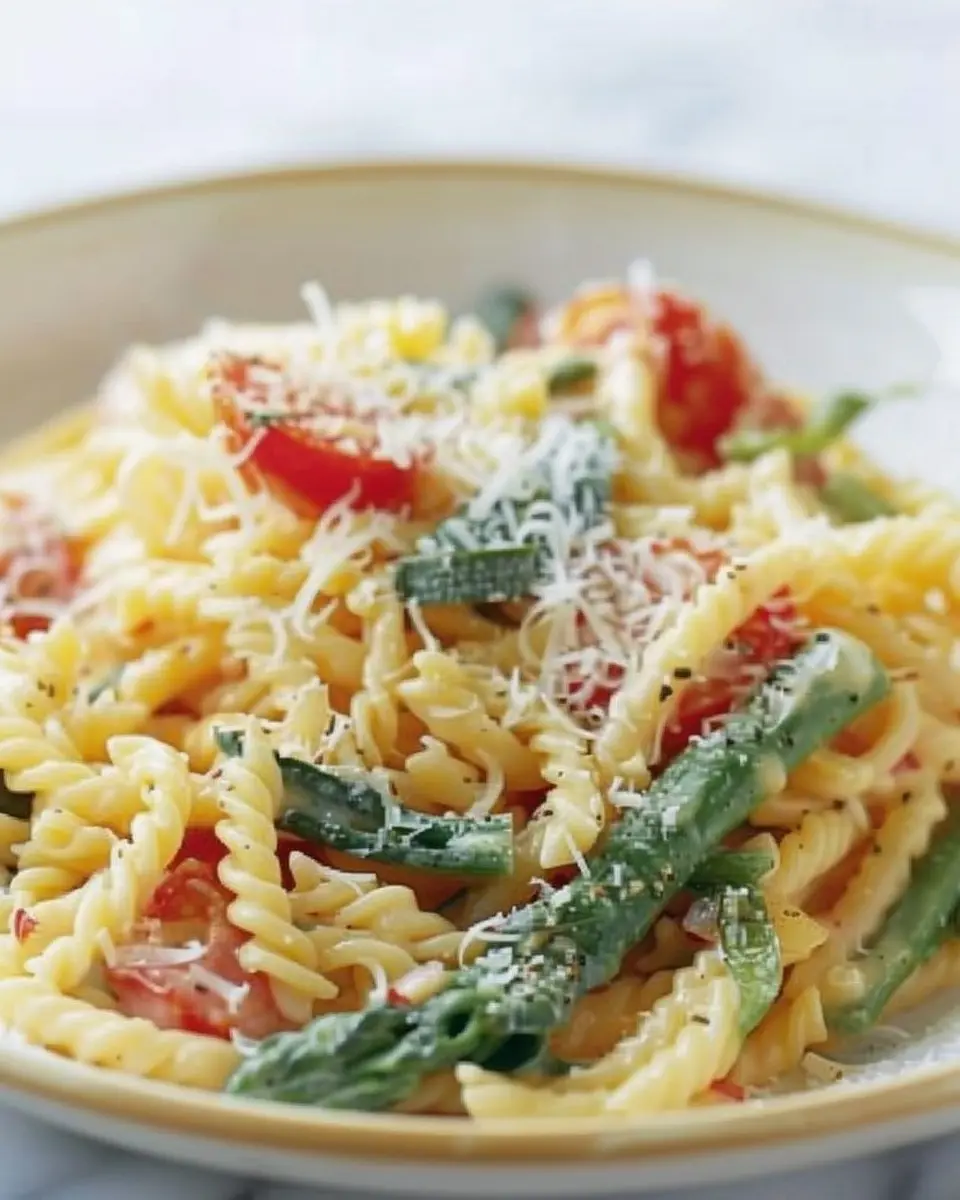
Serving suggestions for Pasta Primavera
Pairing with grilled meats or seafood
Pasta Primavera is a versatile dish that shines when paired with grilled meats or seafood. If you’re firing up the grill, consider serving it alongside marinated chicken breast or juicy shrimp. Not only do these proteins complement the fresh vegetables in the pasta, but they also add a satisfying texture and richness.
Try enhancing the dish with a light herb-infused olive oil drizzle or a vibrant lemony sauce. For those looking to keep it light, grilled fish, such as salmon or tilapia, can elevate your meal while providing a healthy balance. Looking for more inspiration? Check out this guide on perfect grilling techniques for protein.
Serving as a vegetarian main dish
By itself, Pasta Primavera makes a delightful vegetarian main course. Packed with colorful seasonal vegetables, it not only appeals to the eyes but also offers a wealth of nutrients. To make it heartier, consider tossing in some protein-packed options like chickpeas or lentils.
Finished with a sprinkle of Parmesan cheese or a vegan alternative, this dish can easily become your go-to for meatless Mondays. Plus, with countless variations, you can adapt it to suit your taste — combining your favorite veggies and sauces to keep it fresh and exciting. To venture further, explore creative vegetarian recipes.
With these serving suggestions, you’ll have a delightful meal that’s not only delicious but also visually stunning on your table!
Time details for Pasta Primavera
Preparation time
Getting everything ready for your Pasta Primavera is a breeze! You’ll want to allocate about 15 minutes to chop your fresh veggies like bell peppers, zucchini, and tomatoes. Having everything prepped in advance makes the cooking process so much smoother.
Cooking time
The cooking time for this vibrant dish is typically around 20 minutes. You’ll want to sauté your vegetables just right, so they’re tender yet still full of flavor, allowing the bright colors to shine through.
Total time
All in all, you’re looking at a total of roughly 35 minutes to whip up your Pasta Primavera. This quick and delightful meal is perfect for those busy weeknights when you want something healthy and delicious without spending hours in the kitchen.
For additional cooking tips, check out resources like Bon Appétit for more inspiration.
Nutritional Information for Pasta Primavera
When it comes to enjoying a wholesome meal, Pasta Primavera stands out as a delightful choice packed with goodness. Let’s break down its nutritional components:
Calories
A typical serving of Pasta Primavera contains approximately 350-400 calories. This makes it a satisfying yet light dish perfect for lunch or dinner without weighing you down.
Protein
If you’re looking to boost your protein intake, a serving provides about 15-20 grams, thanks to the delicious blend of vegetables and optional proteins like Turkey Bacon or Chicken Ham. These additions not only enhance flavor but also contribute to muscle maintenance and repair.
Carbohydrates
You can expect about 50-60 grams of carbohydrates per serving, largely from the pasta and veggies. This makes Pasta Primavera an excellent source of energy, perfect for powering through a busy day.
By keeping these nutritional aspects in mind, you can enjoy your Pasta Primavera guilt-free! If you’re curious about the health benefits of specific vegetables, consider checking out Healthline for more insights.
FAQs about Pasta Primavera
Can I make Pasta Primavera in advance?
Absolutely! Pasta Primavera is a fantastic dish to prepare ahead of time. You can cook the pasta and the vegetables separately, allowing them to cool before combining them later. Store the components in airtight containers in the fridge for up to 3 days. When you’re ready to serve, simply toss them together, reheat, and add your favorite sauce or a splash of vegetable broth to refresh the flavors. This way, you can enjoy a wholesome meal without the last-minute rush!
What are good substitutions for heavy cream?
If you’re looking to lighten up your Pasta Primavera, there are some delicious alternatives to heavy cream. Here are a few options:
- Coconut Milk: Adds a subtle sweetness and creamy texture without the dairy.
- Almond Milk: A lower-calorie option, which can still give you a rich feel when cooked down.
- Greek Yogurt: Mix it with a bit of vegetable broth to mimic creaminess while adding protein.
- Cauliflower Puree: Blend steamed cauliflower with a bit of vegetable broth for an incredibly creamy and nutritious base.
These alternatives not only keep your dish creamy but also cater to various dietary preferences.
How can I make it gluten-free?
Making a gluten-free version of Pasta Primavera is simpler than you might think! Just swap out traditional pasta for gluten-free options made from rice, quinoa, or even lentils. These alternatives are widely available in most grocery stores, and they cook similarly to wheat pasta. For added flavor and nutrition, consider using spiralized veggies like zucchini or sweet potatoes as a base instead of pasta altogether.
For more insights on gluten-free options, check out Celiac Disease Foundation. With these tips, you can savor every bite of your Pasta Primavera, enjoying both the taste and peace of mind!
Conclusion on Pasta Primavera
Embracing homemade over fast food
When you whip up a vibrant dish like Pasta Primavera, you not only nourish your body but also your spirit. Ditching fast food for homemade meals means embracing flavors you control, and who doesn’t want to savor every bite of seasonal veggies and perfectly cooked pasta?
Cooking at home allows for creativity—experiment with new vegetables or spices based on what speaks to you. Plus, you can make it healthier by opting for options like turkey bacon or chicken ham instead of traditional meats. It’s all about balance and personal preference.
Ready to elevate your dinner game? With Pasta Primavera, you’re not just feeding yourself; you’re treating yourself to a delicious culinary experience. For more inspiration, consider checking out sources like Healthline for nutritious cooking tips!
PrintPasta Primavera: Easy Veggie Delight with Turkey Bacon and Chicken Ham
A delicious and easy recipe for Pasta Primavera featuring turkey bacon and chicken ham.
- Prep Time: 10 minutes
- Cook Time: 15 minutes
- Total Time: 25 minutes
- Yield: 4 servings
- Category: Main Course
- Method: Stovetop
- Cuisine: Italian
- Diet: Low Carb
Ingredients
- 8 ounces pasta
- 4 slices turkey bacon
- 1 cup chicken ham, diced
- 1 bell pepper, sliced
- 1 zucchini, sliced
- 1 cup cherry tomatoes, halved
- 2 tablespoons olive oil
- 2 cloves garlic, minced
- 1 teaspoon Italian seasoning
- Salt to taste
- Black pepper to taste
- ¼ cup grated Parmesan cheese
Instructions
- Cook the pasta according to package instructions. Drain and set aside.
- In a skillet, cook turkey bacon until crispy. Remove and chop.
- In the same skillet, add olive oil and sauté garlic until fragrant.
- Add bell pepper, zucchini, and cherry tomatoes, cooking until soft.
- Add cooked pasta, chicken ham, and bacon to the skillet.
- Season with Italian seasoning, salt, and pepper. Toss well.
- Serve topped with grated Parmesan cheese.
Notes
- Feel free to add any seasonal vegetables you prefer.
- Substitute turkey bacon with regular bacon if desired.
Nutrition
- Serving Size: 1 plate
- Calories: 410
- Sugar: 4g
- Sodium: 950mg
- Fat: 15g
- Saturated Fat: 4g
- Unsaturated Fat: 10g
- Trans Fat: 0g
- Carbohydrates: 50g
- Fiber: 3g
- Protein: 22g
- Cholesterol: 30mg